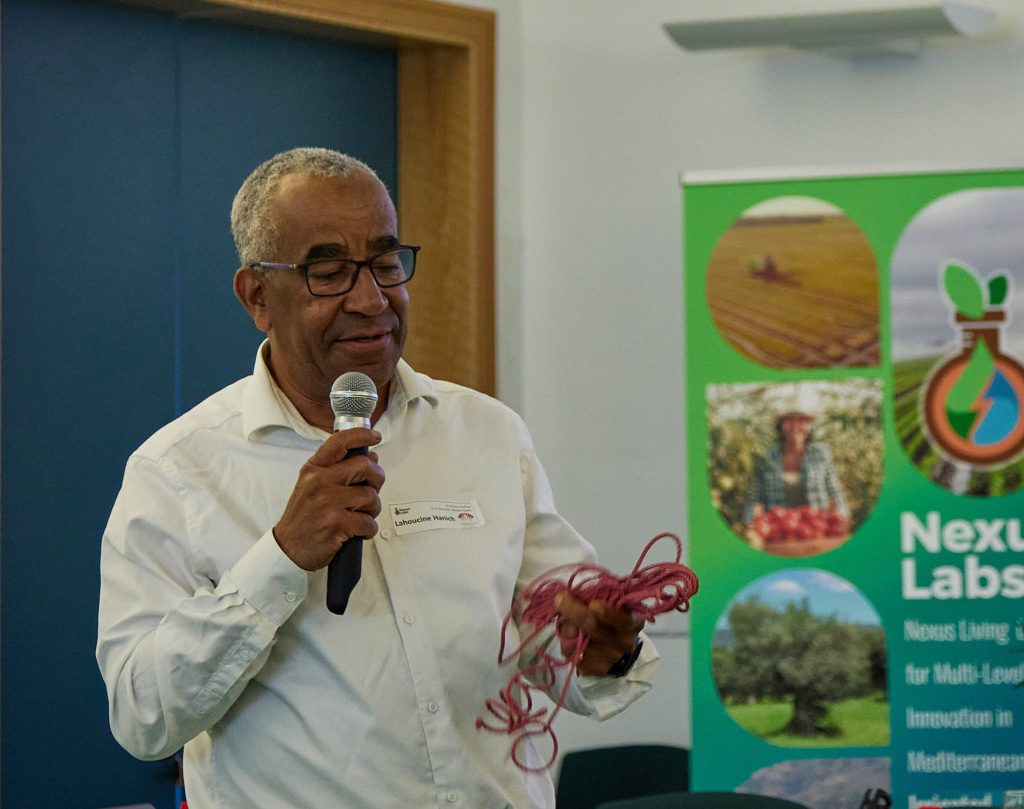
Prof. Lahoucine Hanich of Cadi Ayyad University, pilot leader of the Moroccan Living Lab within NexusLabs, reflects on early field experiences and stakeholder engagement in the Tensift basin. He discusses how farmers and local managers are responding to low-cost monitoring technologies, the practical challenges of deploying them in real-world conditions, and the emerging lessons around water use, data trust, and co-developing decision-support tools for more efficient irrigation.
Q: What are you hearing from farmers, managers and other local stakeholders?
A: The feedback has been overwhelmingly positive, but also pragmatic.
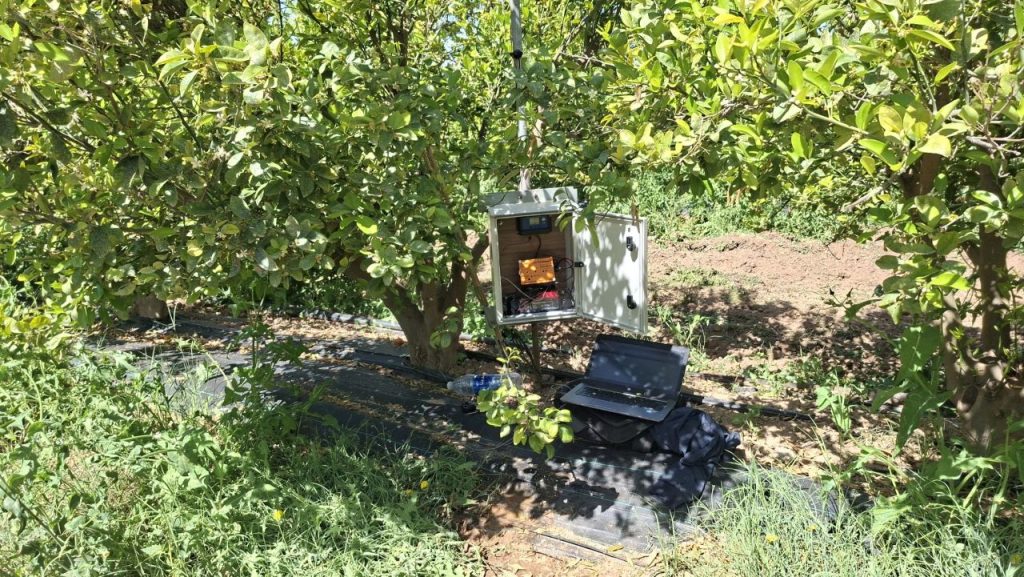
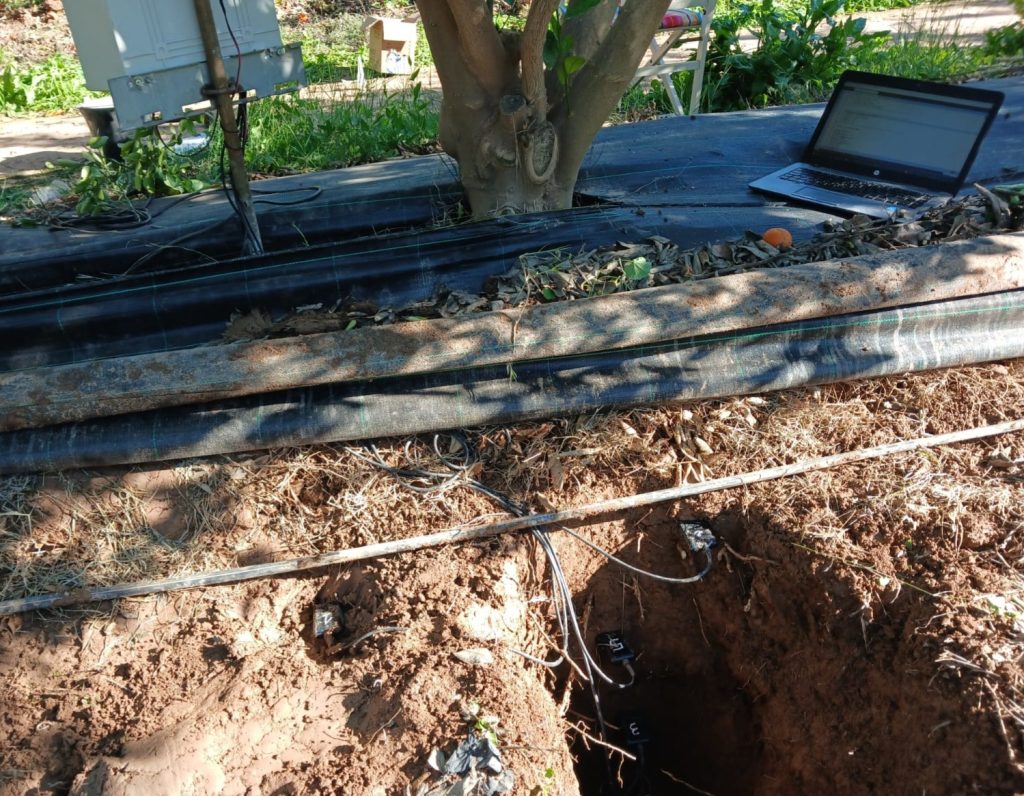
Farmers and managers quickly recognized the relevance of the proposed solutions, particularly the low-cost agro-meteorological and soil moisture monitoring stations and weather stations. Even if these tools were initially unfamiliar to them, they quickly grasped their value once the first data was presented, especially when it was directly related to their irrigation practices.
The main challenges they wish to address are clearly:
- Water scarcity, which remains the top priority in the Tensift basin,
- The energy cost for pumping,
- Optimizing irrigation inputs without compromising yields.
What they find most useful is the ability to continuously monitor soil moisture and have simple indicators to adjust irrigation. What often surprises them is finding significant discrepancies between their usual practices and the actual needs of the soil, particularly in situations of over-irrigation.
Q: Mention one challenge you are facing on the ground, or ‘bet’ that needs to be won?
A: One of the main challenges is technical and operational.
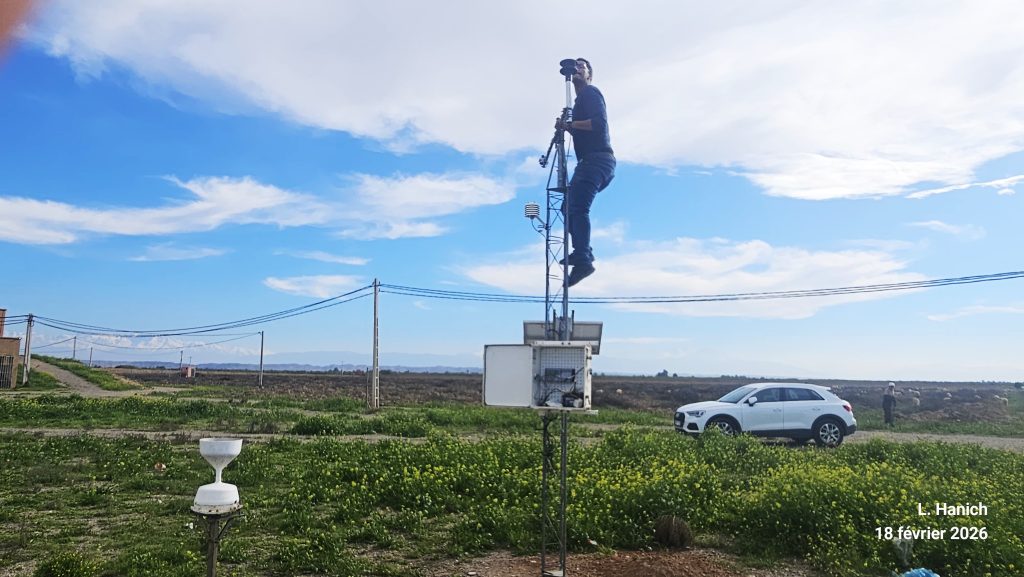
This includes ensuring the reliability of measurements with low-cost sensors under real-world conditions, as well as the stability of the systems (power supply, GSM transmission, data storage) in sometimes isolated areas.
Added to this is an organizational challenge: ensuring regular monitoring of the equipment while maintaining continuous interaction with farmers, who have time constraints and operational priorities.
Finally, there is also a significant issue related to data trust: before fully adopting the recommendations, users need to validate the consistency of the measurements in the field.
Q: Some activities or results we should expect soon?
In the short-term, two main elements are expected:
- Continued field trials with stations installed at several pilot sites, including the continuous collection and validation of data (soil moisture, climatic parameters) and meteorological stations.
- The development and testing of simple decision-support tools, enabling the translation of data into practical irrigation recommendations tailored to farmers.
In parallel, we can expect increased stakeholder involvement, with more structured feedback from end users.
Q: What have you learned so far? Any surprises?
A: Several important lessons are already emerging.
Firstly, irrigation practices are often based on experience and rules of thumb, sometimes leading to excessive water inputs. Measurements show that there is significant potential for optimization. A positive surprise is farmers’ interest in data, provided it is simple, easy to understand, and directly usable.
On the other hand, it has become clear that technical complexity must be completely hidden: users are not interested in the sensor itself, but in the useful information it provides.
Finally, real-world conditions (heterogeneous soils, energy constraints, unstable GSM network) show that the performance of solutions may be less than ideal in the laboratory, highlighting the importance of on-site testing.
Q: How does this work connect to your experience as a researcher or institution?
A: This work is a direct continuation of the research activities conducted at the Tensift Observatory and collaborations with institutions such as UCA and IRD.
It builds upon Chakir Adnane’s extensive experience as a Postdoctoral Researcher within the NexusLab project:
- Environmental instrumentation,
- Agro-meteorological monitoring
- Validation of field and satellite data.
However, the NexusLabs project brings a new dimension: it is no longer simply about producing scientific data, but about co-constructing solutions with local stakeholders, integrating their needs from the outset.
Thus, this work allows us to confirm certain existing knowledge (soil variability, importance of continuous monitoring), but also to provide new insights, particularly regarding the acceptability of low-cost technologies and their integration into real-world agricultural contexts.