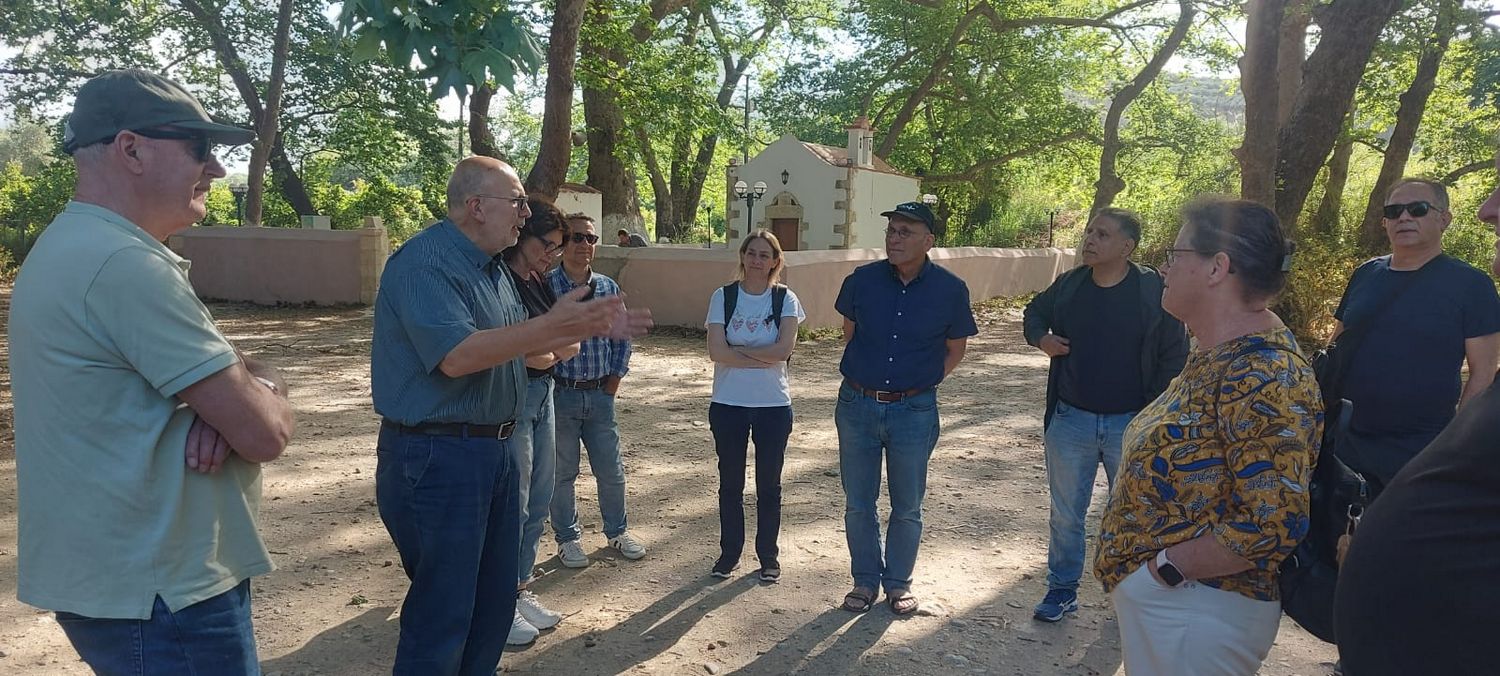
From 4–6 March 2026, researchers from across the Mediterranean gathered in Chania for the EcoFuture PRIMA Workshop on WEFE Nexus Solutions & Tools, organised by the Technical University of Crete under the coordination of Professor Nikolaos Nikolaidis.
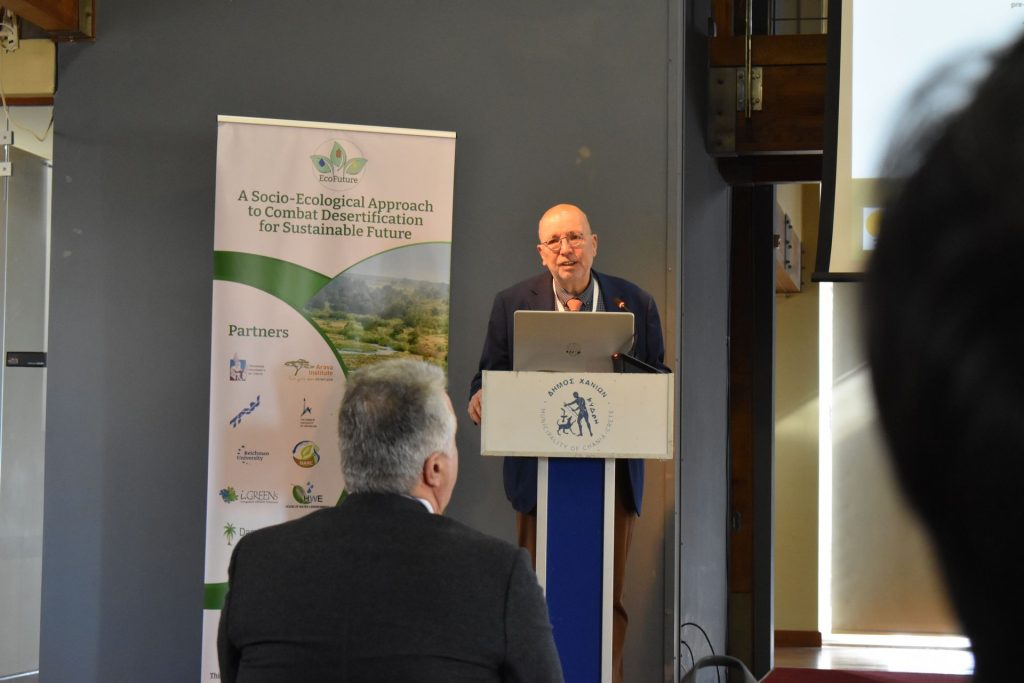
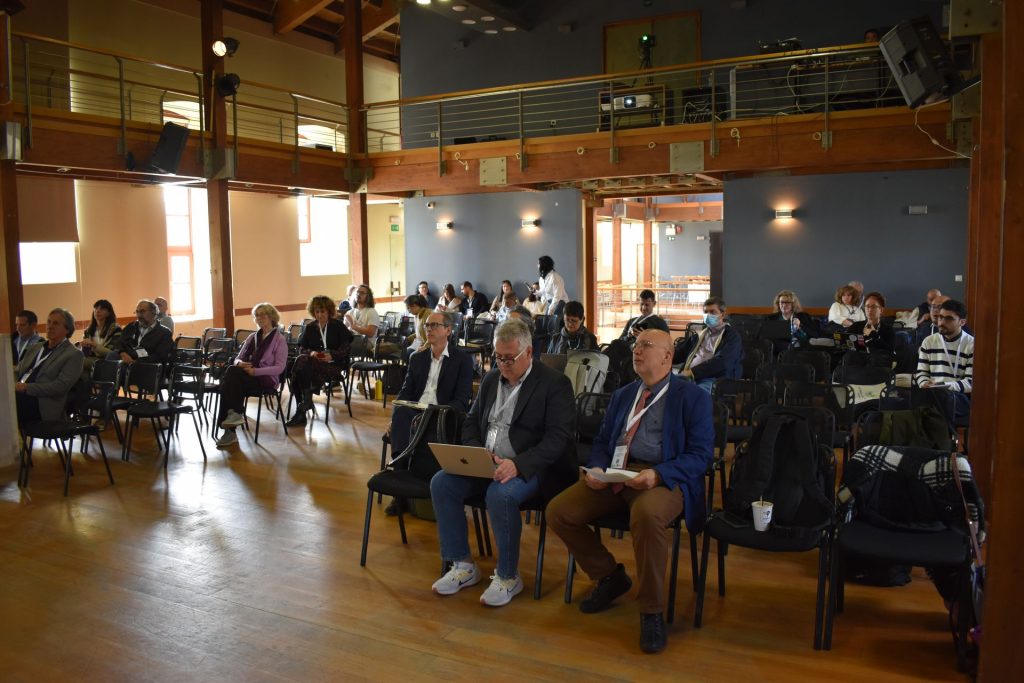
Held at the Centre for Mediterranean Architecture, the three-day workshop brought together representatives from 16 PRIMA, Horizon and Interreg projects working on Water-Energy-Food-Ecosystems (WEFE) Nexus challenges across the region. Discussions focused on WEFE Nexus tools, demonstration pilots, stakeholder engagement approaches, governance and the operationalisation and scaling-up of integrated solutions.
The workshop aimed to synthesize lessons emerging from ongoing projects and contribute to the preparation of a policy brief on the operationalisation and scaling-up of the WEFE Nexus approach. Central questions included whether current tools are sufficient to assess the Nexus in an integrated way, how science can support resource security and climate adaptation, and what barriers continue to hinder the uptake and replication of successful solutions.
As both the coordinator of EcoFuture and a partner in the PRIMA NexusLabs project, the Technical University of Crete played a central role in linking scientific research with practical field implementation.
A recurring theme throughout the workshop was the importance of moving beyond isolated pilot actions toward wider adoption of solutions grounded in long-term field experience and practical implementation.
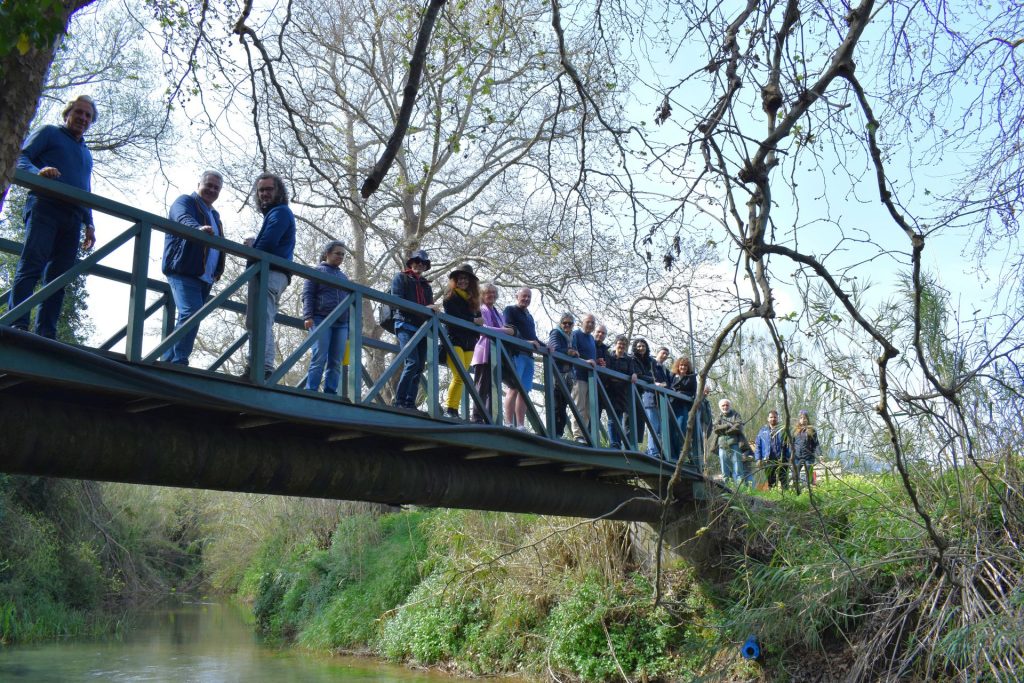
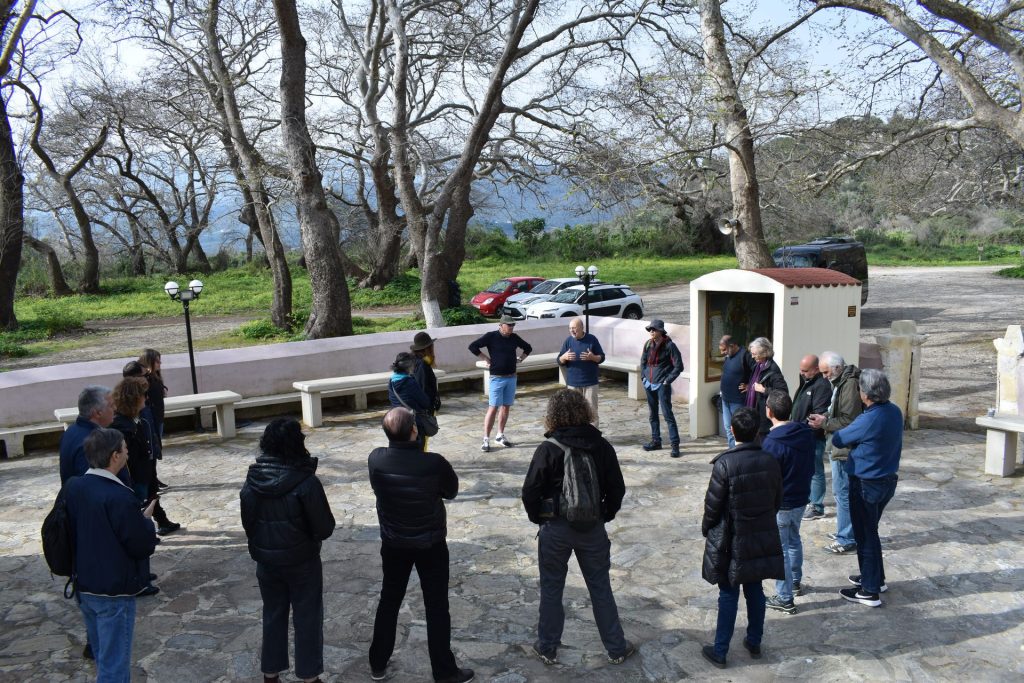
This was reflected during the workshop field trip to the Koiliaris Critical Zone Observatory and the PRIMA NexusLabs pilot site in Crete, where participants visited agricultural plots monitored by the Technical University of Crete team in collaboration with local farmers over several years.
On the sidelines of the field visit, Dr. Giovanni Bidoglio, EU Joint Research Centre, shared reflections on the importance of bringing together the practical knowledge already held by farmers, water managers and local practitioners across the Mediterranean. As he noted in a video interview, the challenge is not a lack of solutions, but finding ways to present successful experiences as grounded evidence capable of supporting wider uptake and decision-making.
The field visit also included a video testimonial from a farmer participating in the NexusLabs pilot activities in Crete. Speaking directly from his own field — where the Technical University of Crete team has been working for years on soil moisture monitoring and smart irrigation practices — he described how the use of sensors and data-driven irrigation helped significantly reduce water use while maintaining productive crops.
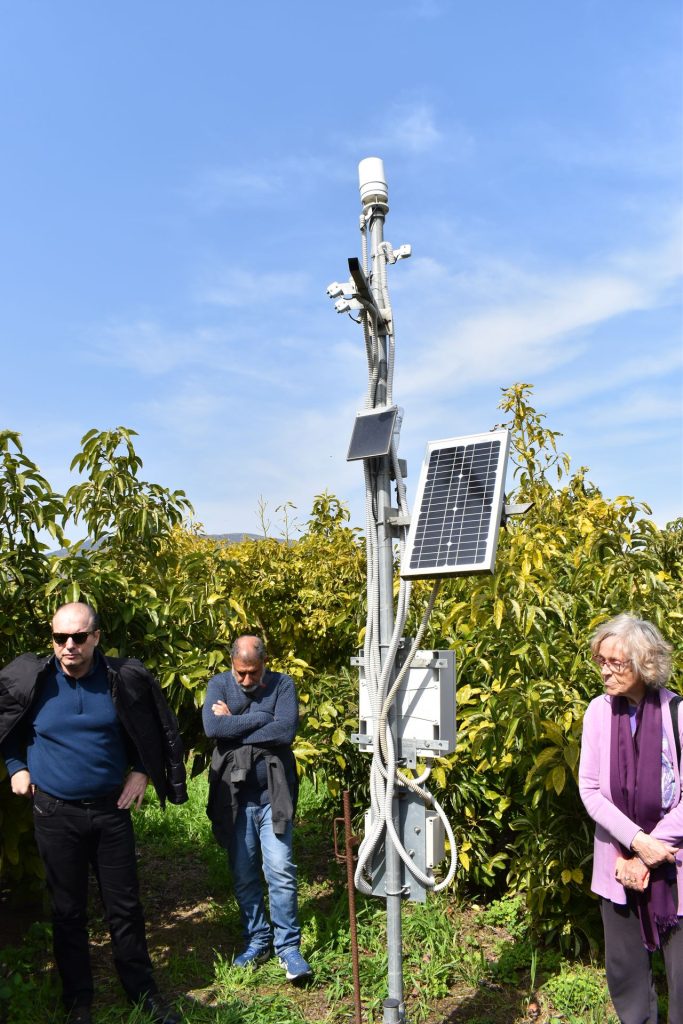
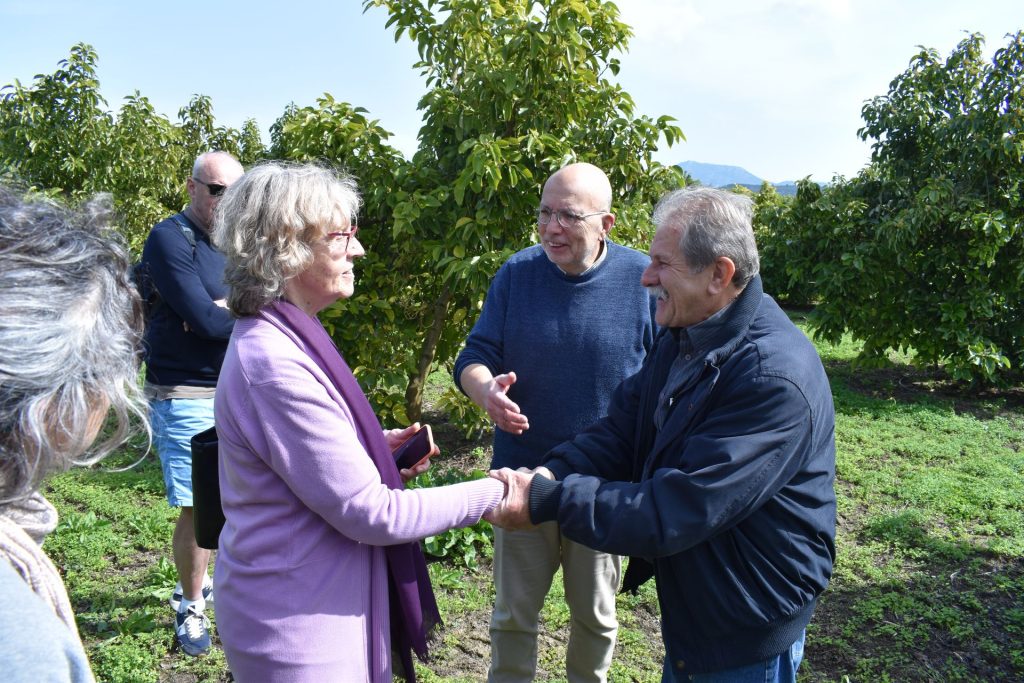
The importance of demonstration and peer learning emerged repeatedly throughout the workshop discussions, with participants emphasizing that farmers are more likely to adopt new practices when they can observe tangible results from other farmers operating under similar conditions.
Within this context, GWP-Med Deputy Coordinator and WEFE4Med Co-Coordinator Anthi Brouma presented the PRIMA WEFE4Med Nexus Community of Practice, highlighting its role in bringing together projects, practitioners and stakeholders working on WEFE Nexus challenges across the Mediterranean.
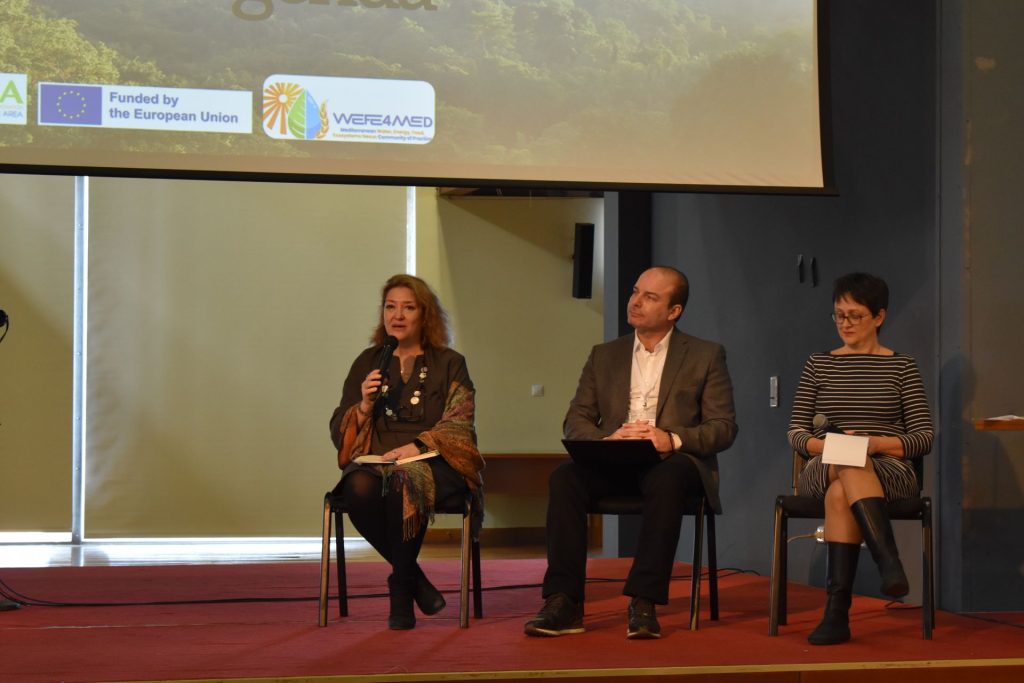
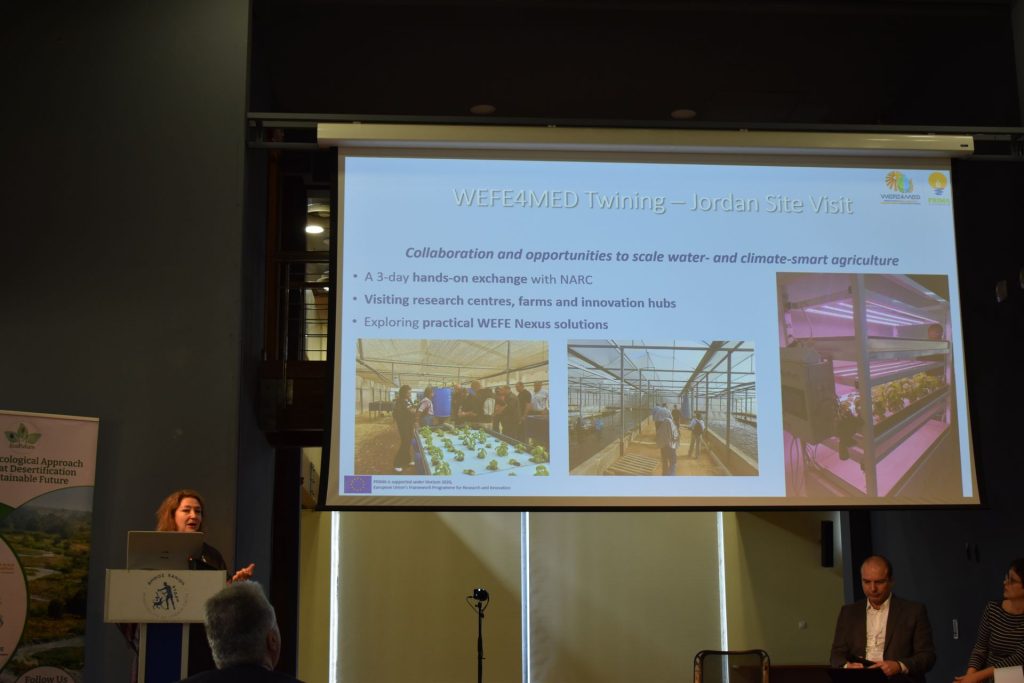
Her intervention formed part of the workshop’s concluding discussions on governance and scaling, which explored how platforms such as the WEFE4Med Community of Practice can support structured knowledge exchange, collaboration and the dissemination of practical solutions across the region.
The EcoFuture workshop ultimately reinforced a message that surfaced throughout the three days of discussions and field visits: the Mediterranean region already possesses a strong base of practical experience and innovative solutions. The challenge ahead is not starting from scratch, but creating the conditions that allow successful approaches to spread, adapt and scale.