The Júcar Living Lab focuses on improving water efficiency and climate resilience across one of Spain’s most intensively irrigated and institutionally complex river basins.
Led by AgriSat Iberia, the Living Lab operates across the Júcar River Basin District, combining farm-level innovation with basin-scale governance, water accounting and stakeholder engagement.
Covering more than 42,000 km² and supporting over five million inhabitants, the basin includes highly productive irrigated agriculture systems, major groundwater bodies such as the Mancha Oriental aquifer, and ecologically important wetlands including L’Albufera de València, a RAMSAR site. Agriculture accounts for around 80% of total water use in the basin.
The region faces growing pressures linked to water scarcity and groundwater overexploitation, climate change impacts including droughts and floods, diffuse nitrate pollution, biodiversity decline and insufficient ecological river flows.
The Júcar Living Lab explores how technological innovation, governance and participatory planning can improve resource efficiency across multiple scales — from individual farms to aquifers, irrigation schemes and the wider river basin.
Key activities include precision agriculture and water accounting tools, calibration of water accounting models, development of Nature-based Solution indicators, and combined solution pathways adapted to regional conditions.
A major focus is improving the use of water, fertilisers and energy while strengthening the resilience of irrigated agriculture under increasing climate stress.
The Living Lab also examines how fragmented governance and the separation of responsibilities between water, agriculture and environmental authorities affect the implementation of integrated WEFE Nexus approaches.
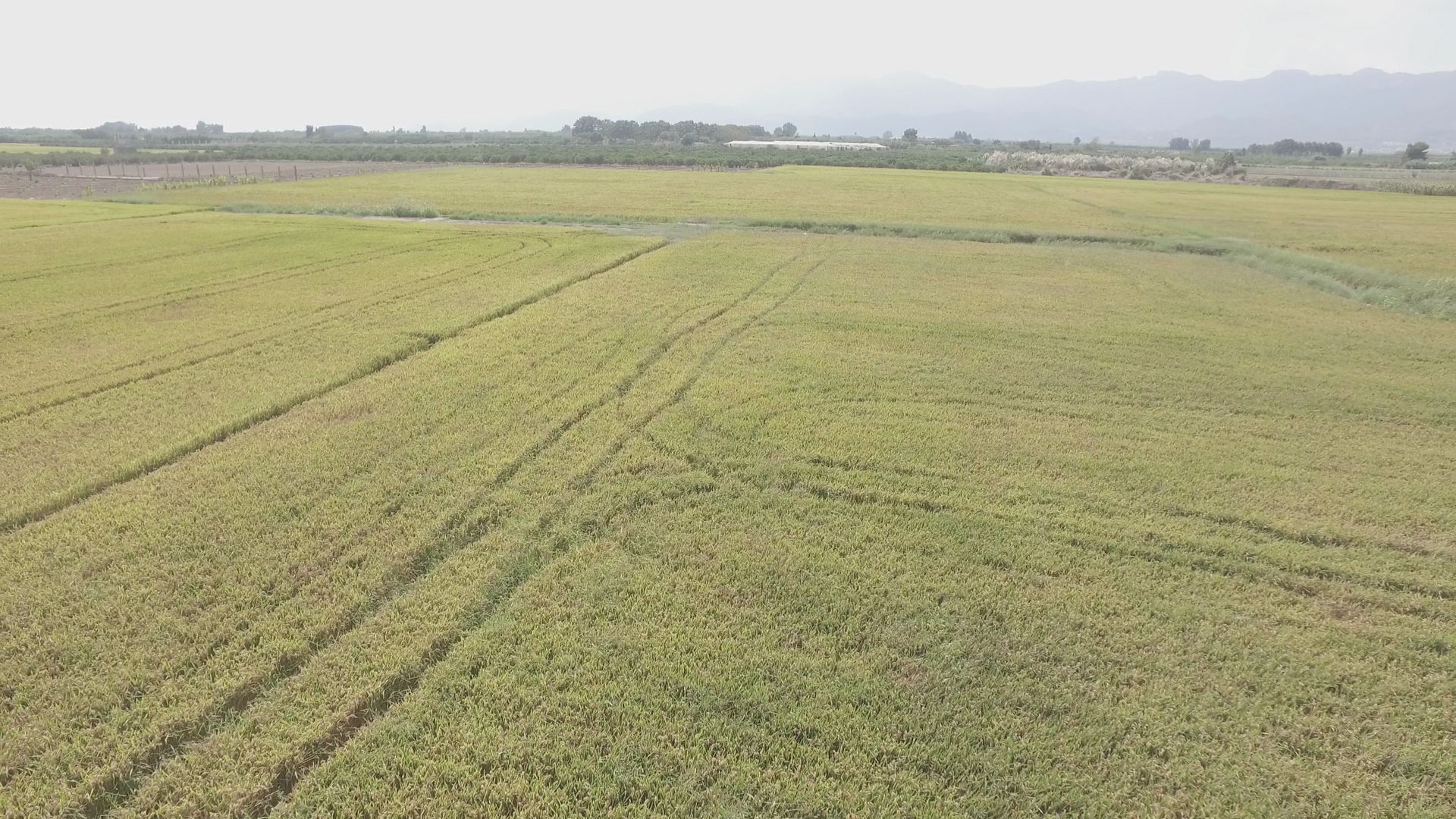
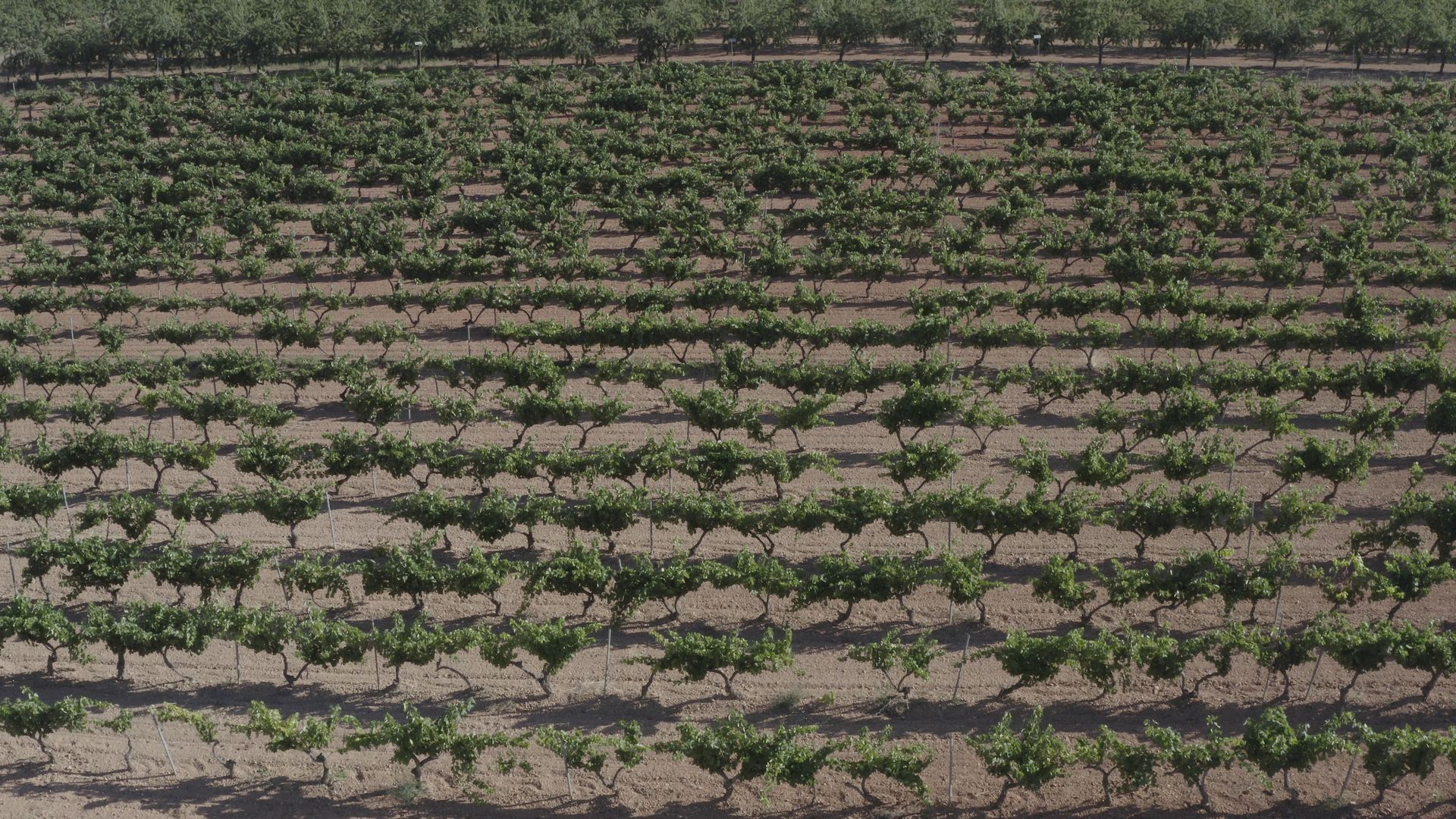
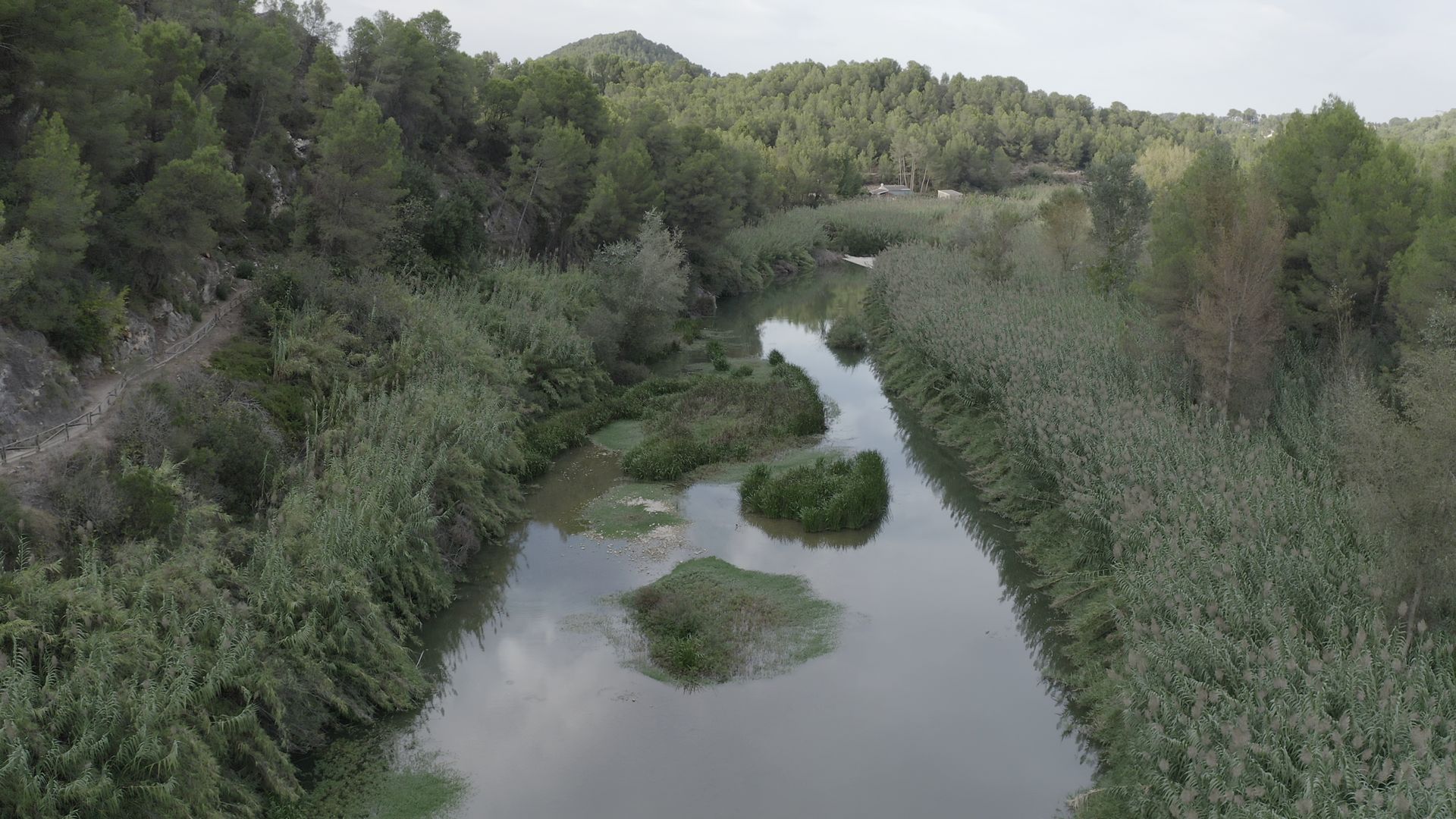
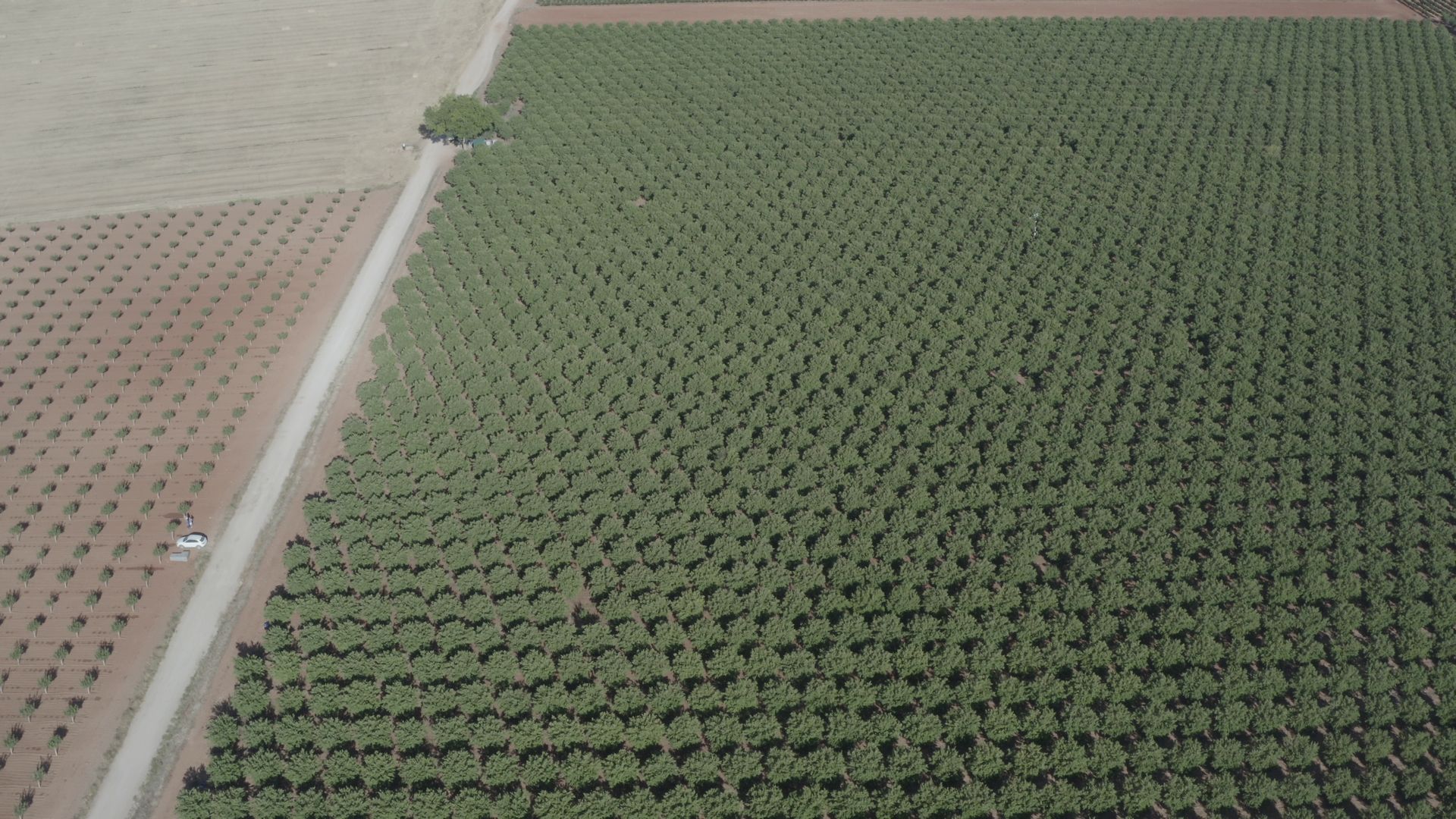
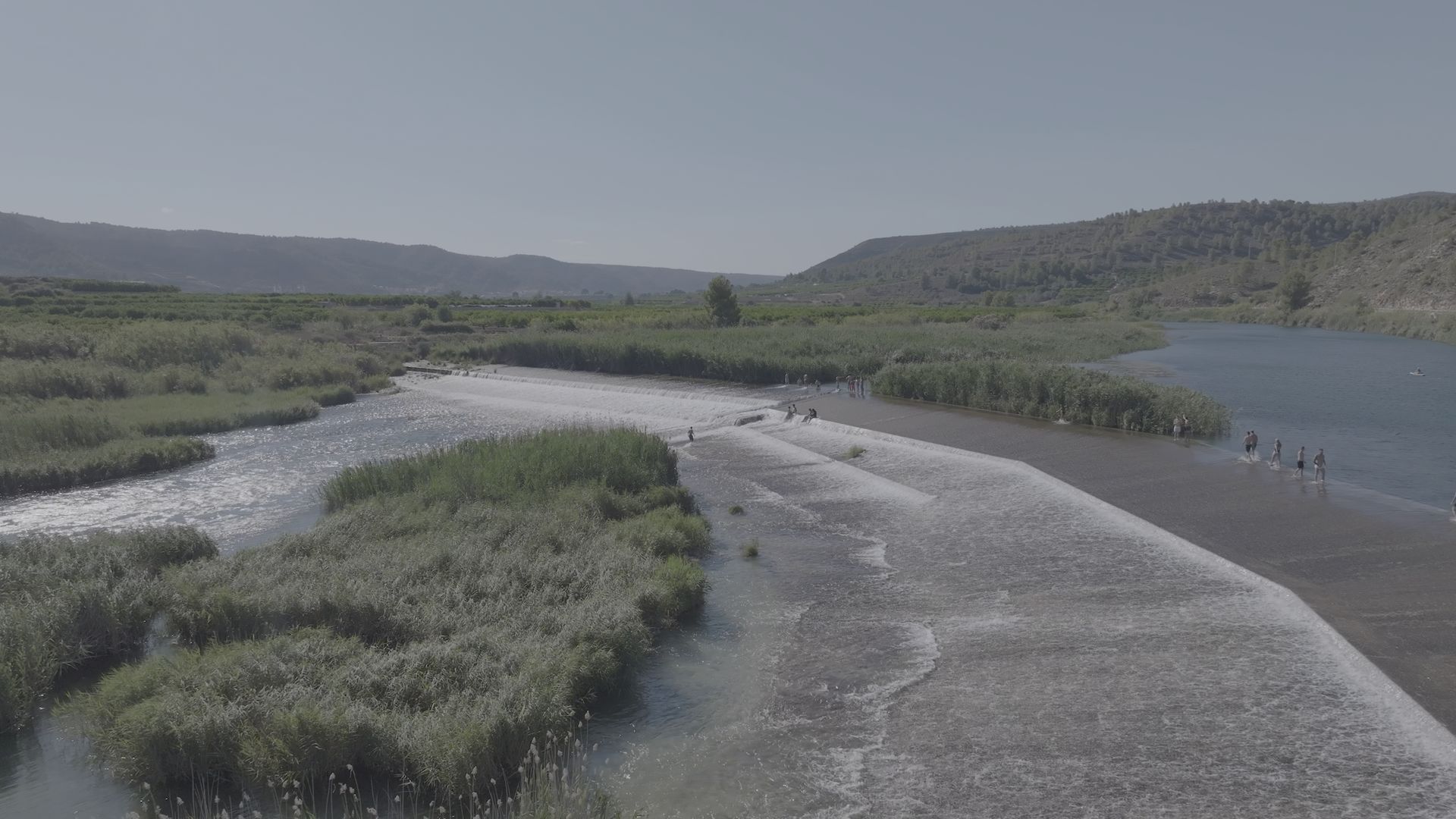
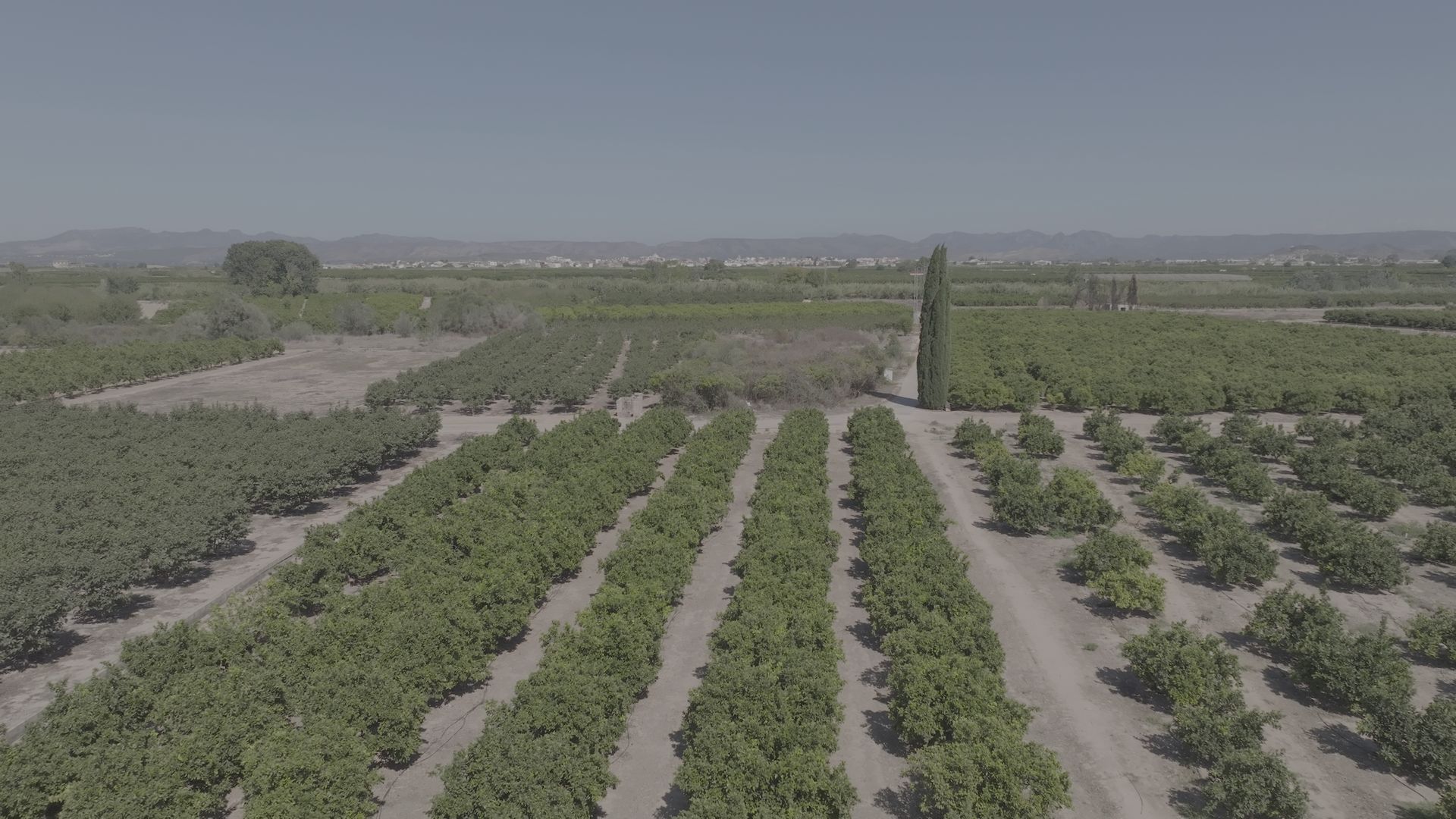
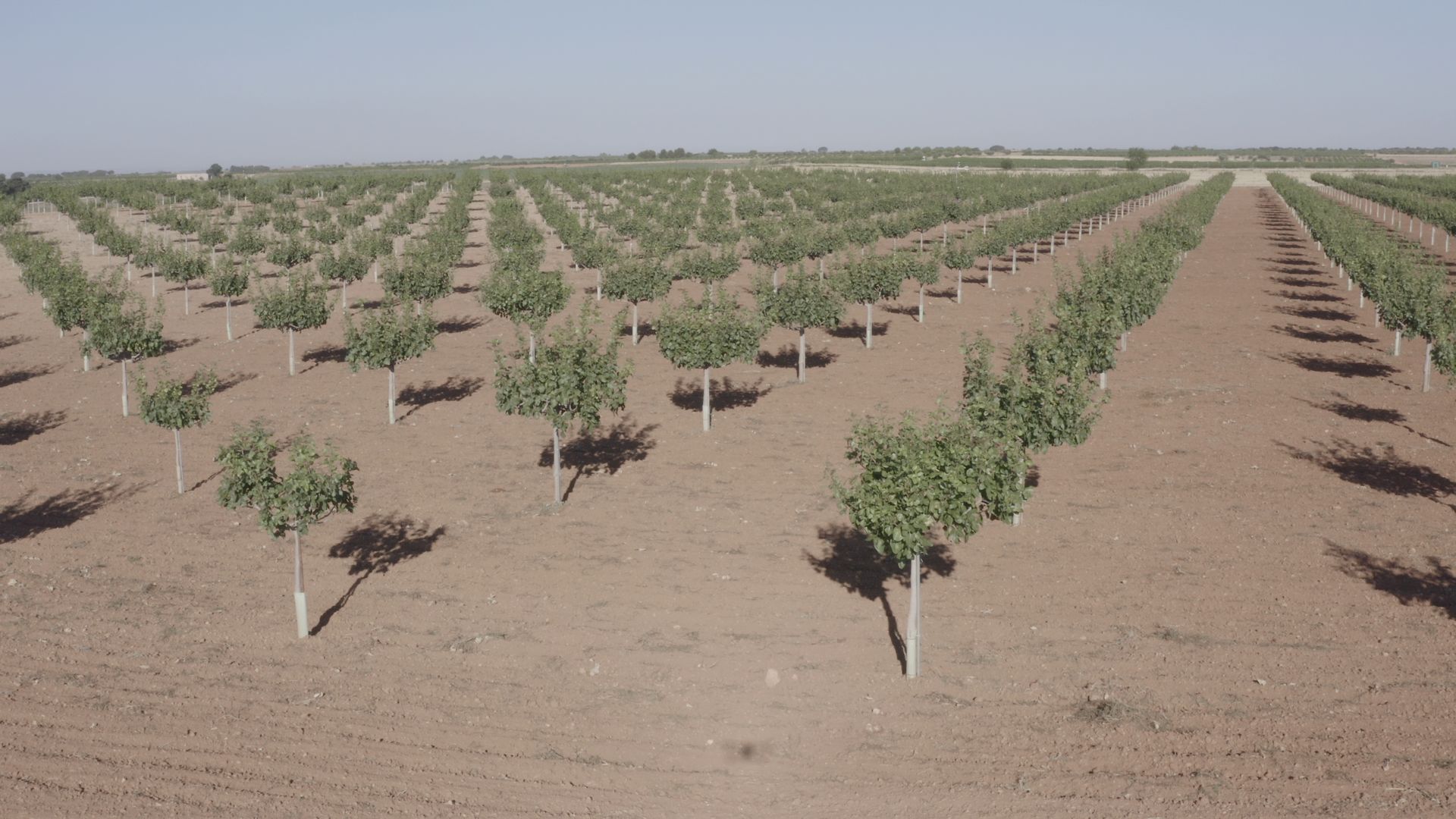
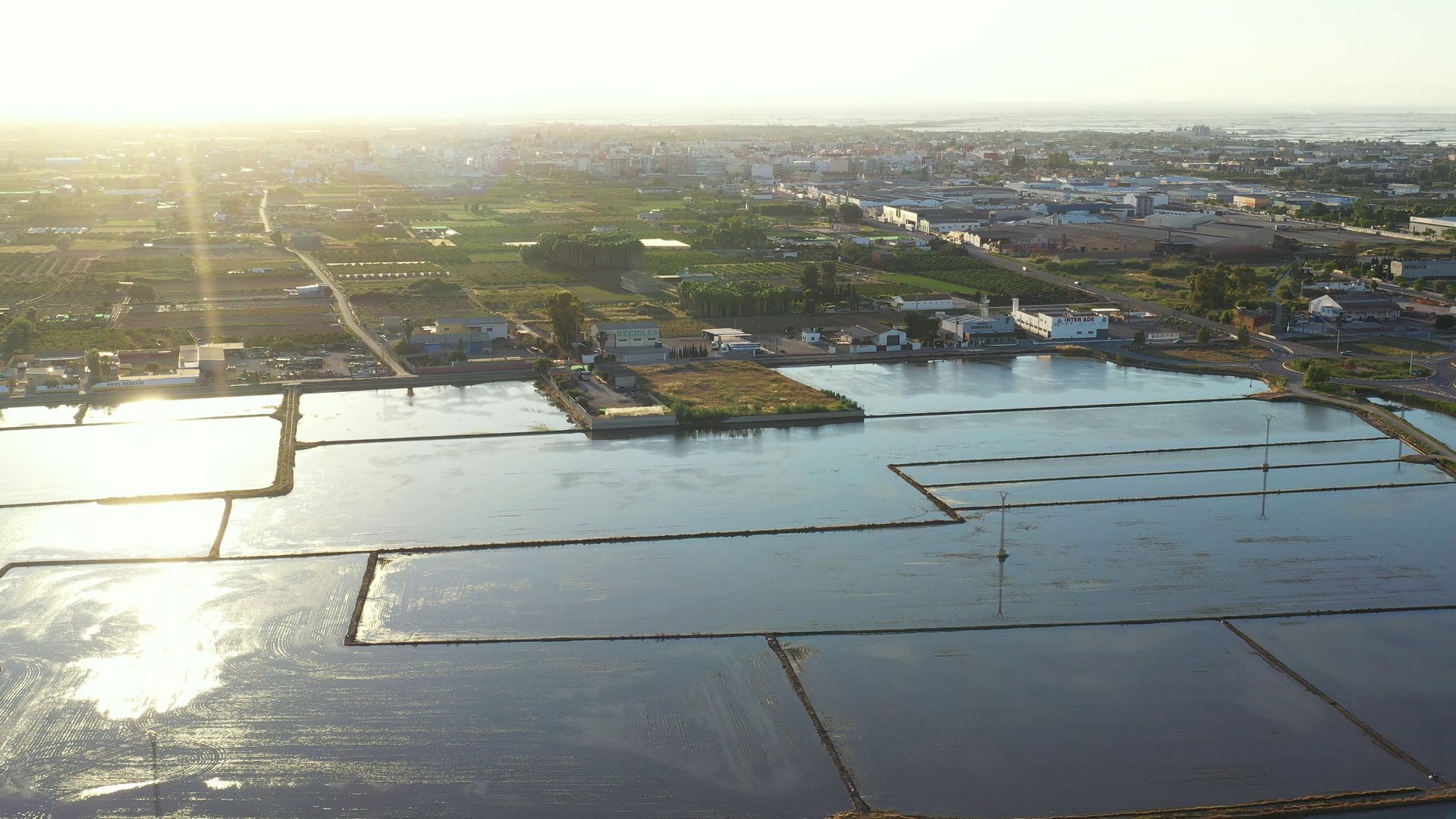
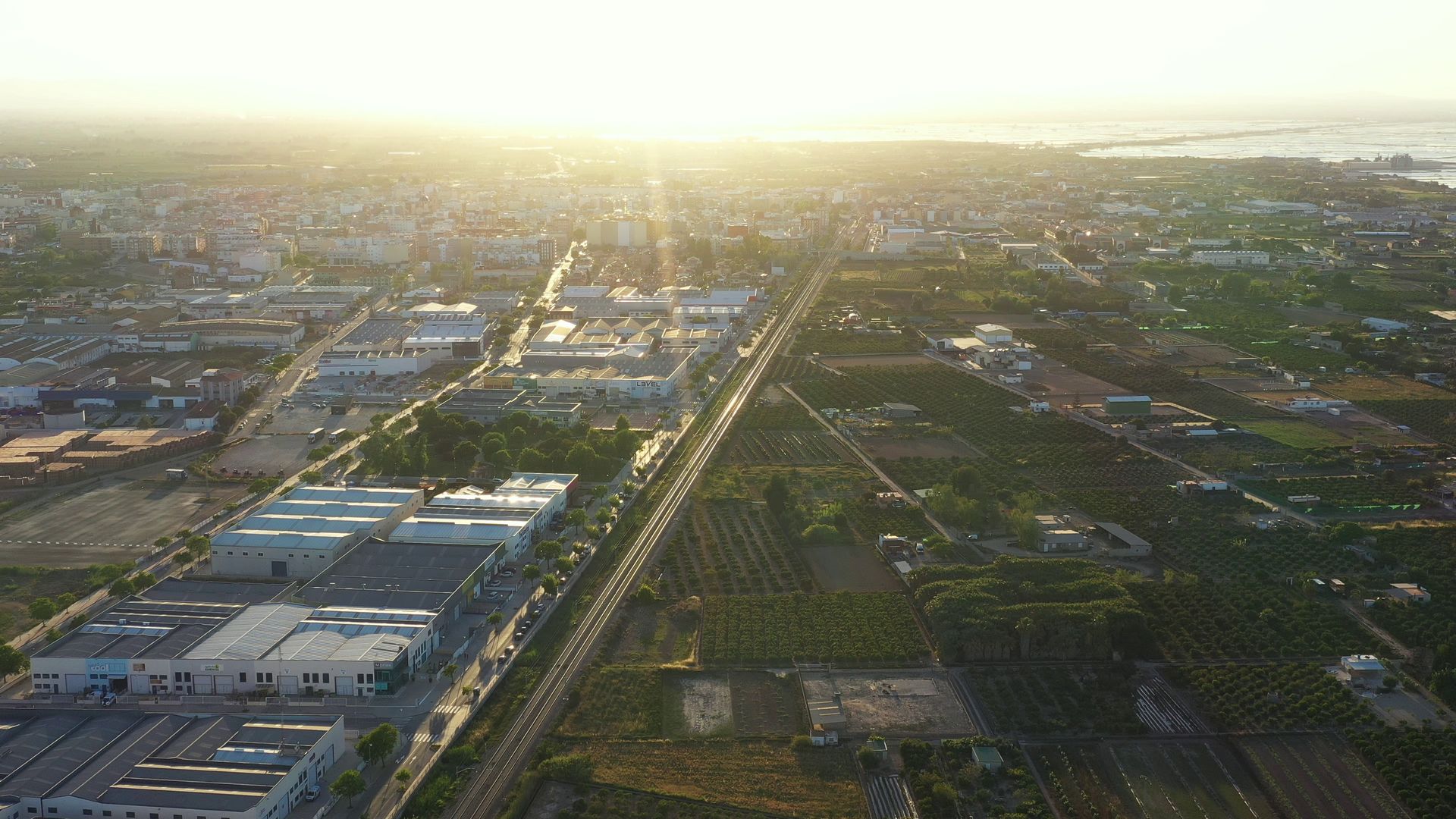
The Júcar Living Lab works closely with the Confederación Hidrográfica del Júcar, irrigation communities and groundwater user associations, national ministries, regional authorities, and farmers and producer organisations.
Farmers are particularly interested in tools that improve efficiency and reduce uncertainty, while public authorities seek quantitative evidence and policy-relevant recommendations. The Living Lab therefore combines technical tools and modelling approaches with participatory learning processes, workshops and regional collaboration activities.
The Júcar Living Lab aims to support more efficient water and fertiliser use, improve the resilience of irrigated agriculture, and strengthen integration between water, agriculture and ecosystem management at basin scale.
As one of the NexusLabs Mediterranean Living Labs, the Júcar pilot provides practical experience on how integrated WEFE Nexus approaches can be scaled from farm-level innovation to river basin governance under increasing climatic and environmental pressure.