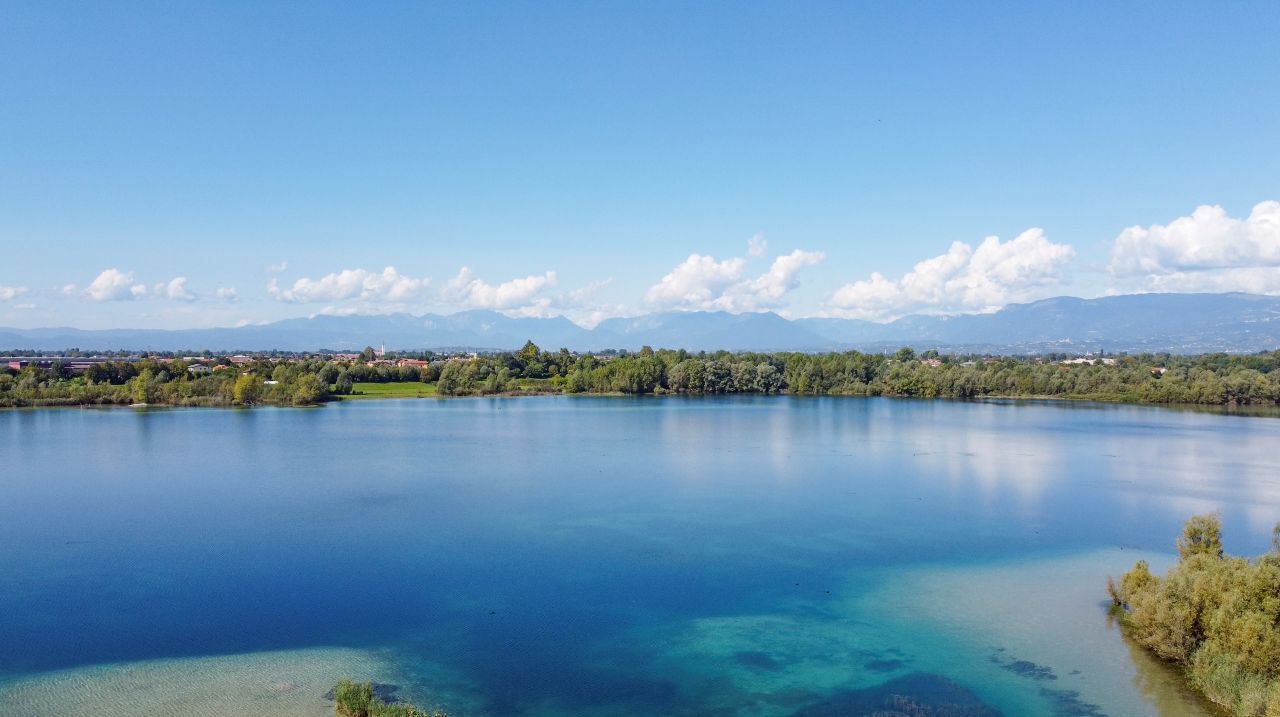
The Veneto Living Lab focuses on improving water resilience, soil health and ecosystem services in the Veneto lowlands — one of Italy’s most economically important agricultural regions and the heart of the Prosecco wine district.
Led by the University of Padua together with partners including CNR-Istituto di Ricerca sulle Acque and AgriSat Iberia, the Living Lab brings together farmers, municipalities, water authorities, irrigation communities and regional stakeholders to test practical Water-Energy-Food-Ecosystems (WEFE) Nexus solutions under real conditions.
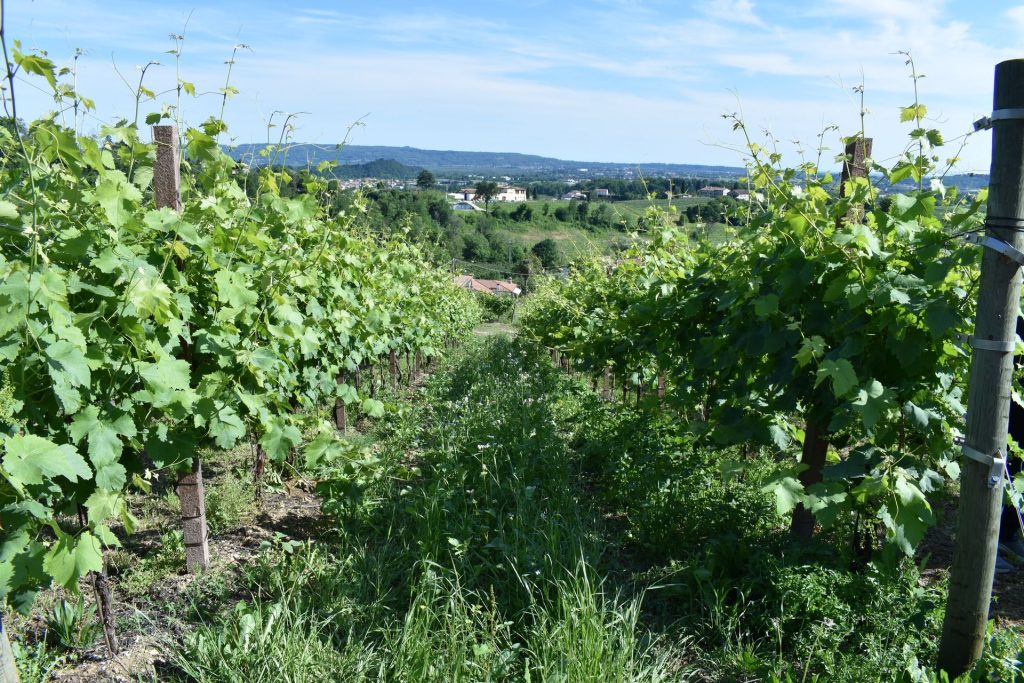
The Veneto lowlands are characterised by:
To address these challenges, the Living Lab tests:
with the aim of reducing water consumption, improving groundwater recharge and increasing climate resilience.
A WEFE Nexus approach to regional resilience
The Veneto Living Lab explores how agricultural productivity, water management and ecosystem protection can be addressed together at landscape scale.
Its main objectives include:
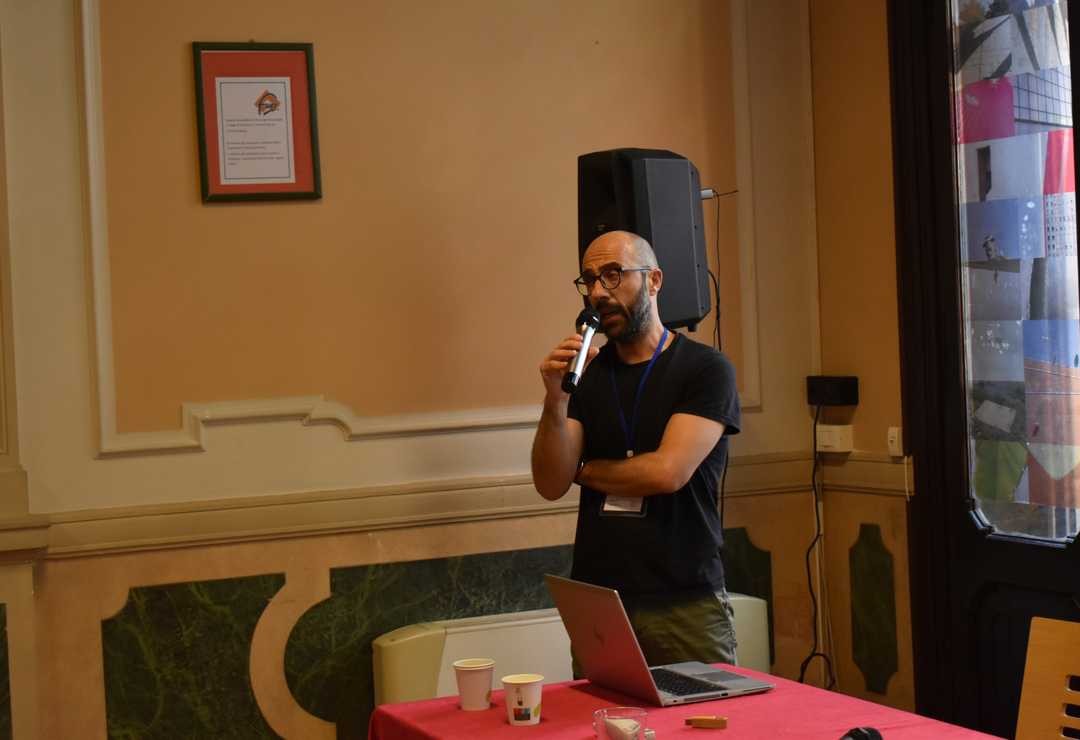
A central component of the Living Lab is stakeholder participation and co-development. Through Participatory System Dynamics Modelling (PSDM), local actors jointly map the region’s WEFE Nexus interactions, identify trade-offs and discuss pathways for scaling sustainable practices.
Stakeholder engagement and innovation uptake
Regional authorities, Land Reclamation Consortia, farmers and local organisations work together within the Living Lab to:
The Living Lab also examines the institutional and governance conditions needed to scale innovative irrigation techniques, Nature-based Solutions and training initiatives across the region.
As one of the NexusLabs Mediterranean Living Labs, Veneto contributes practical experience on how irrigated agricultural regions can adapt to increasing climate pressures while maintaining both economic productivity and environmental sustainability.