The Tarquinia Living Lab focuses on improving soil health, water retention and agricultural resilience in Central Italy through the implementation of Nature-based Solutions (NbS), sustainable irrigation practices and stakeholder-driven innovation.
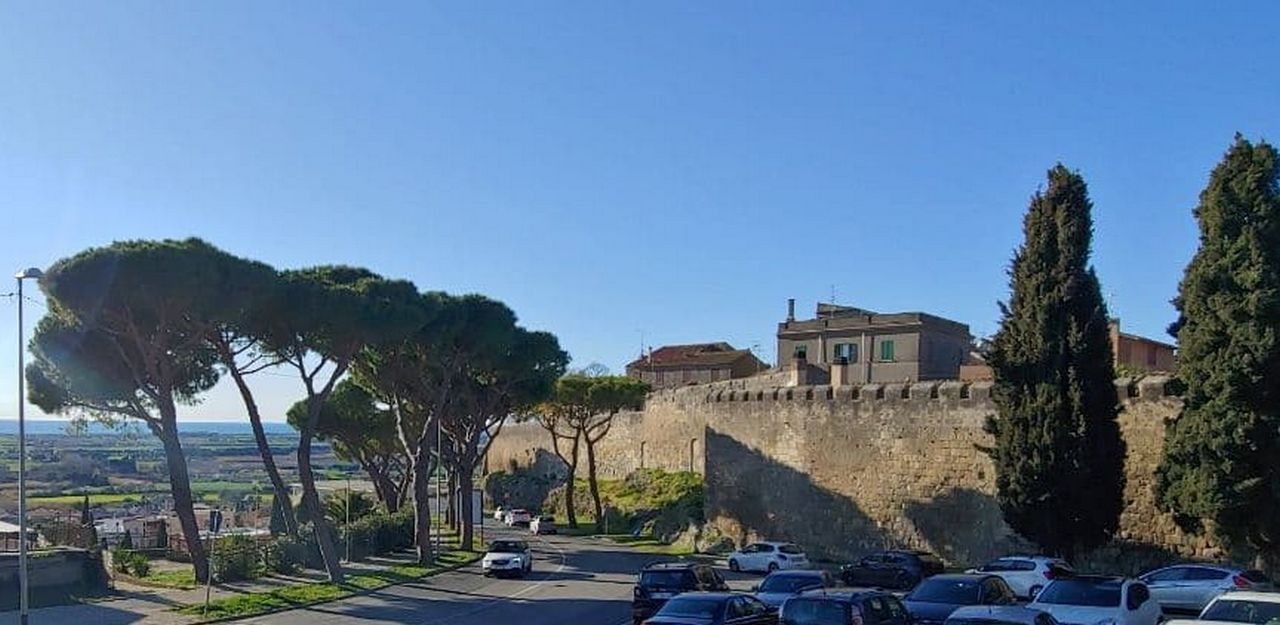
Led by CREA, the Living Lab operates across four municipalities in the Lazio region — Tarquinia, Tolfa, Allumiere and Monte Romano — at both field and basin scale.
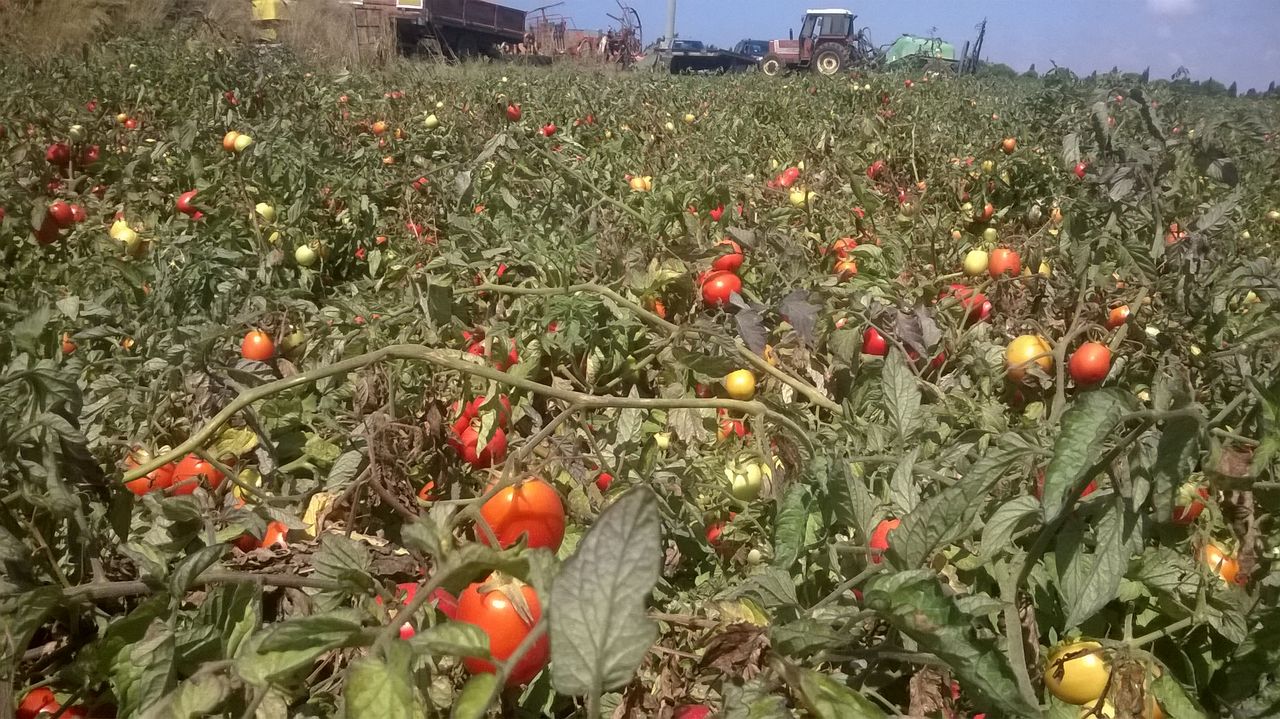
The area faces increasing environmental pressures linked to:
These challenges are particularly significant in a territory where agriculture, environmental protection and local economic activities increasingly compete for limited natural resources.
To address these pressures, the Living Lab tests and demonstrates:
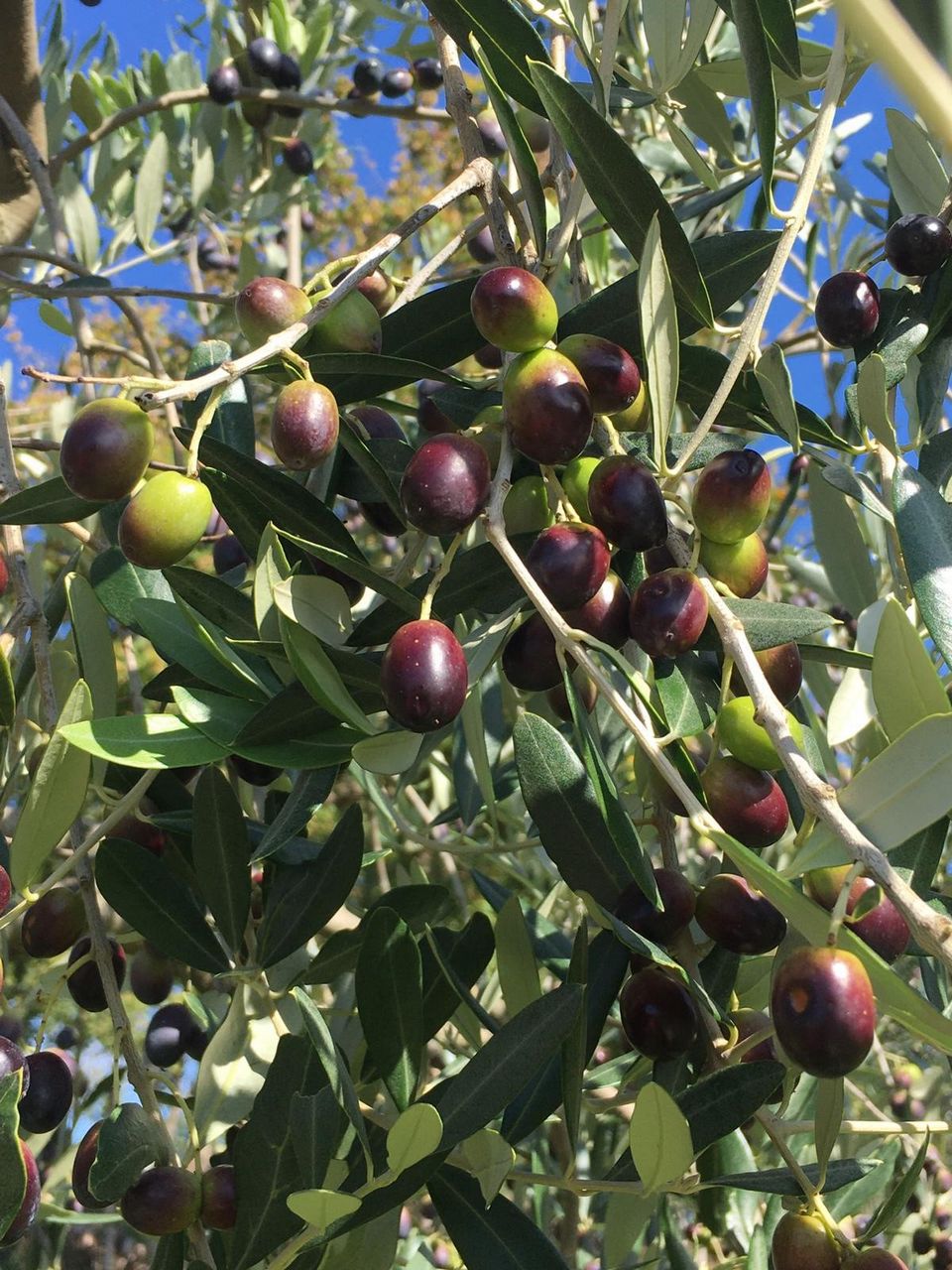
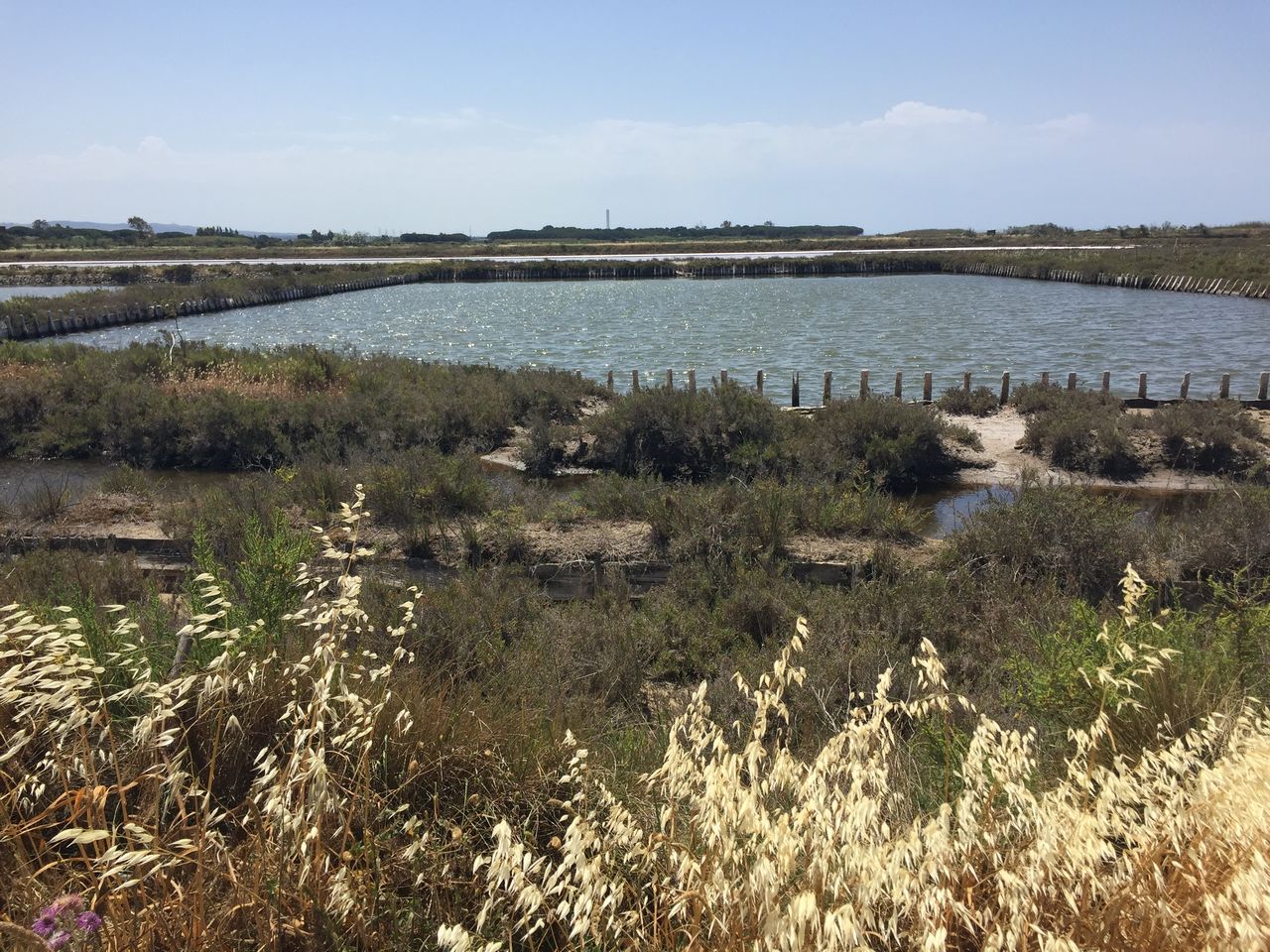
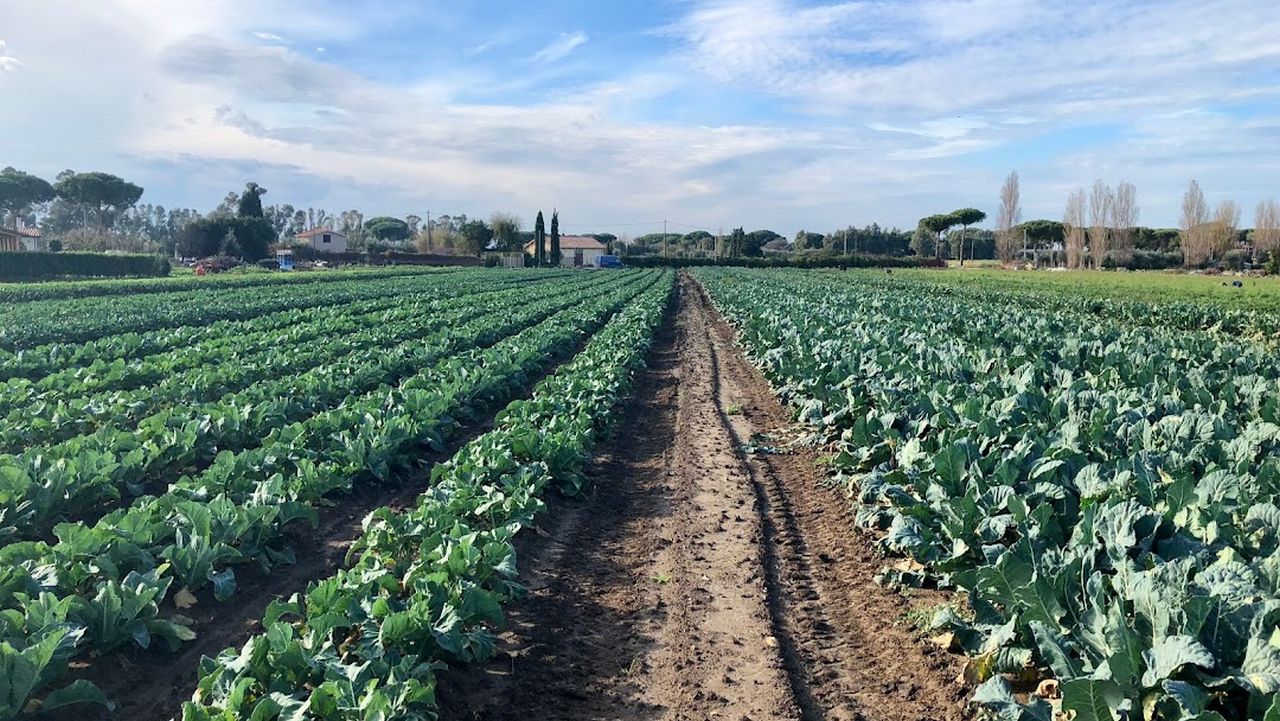
From knowledge to practice
A central objective of the Tarquinia Living Lab is to move beyond awareness and pilot experimentation toward the practical adoption of sustainable agricultural practices.
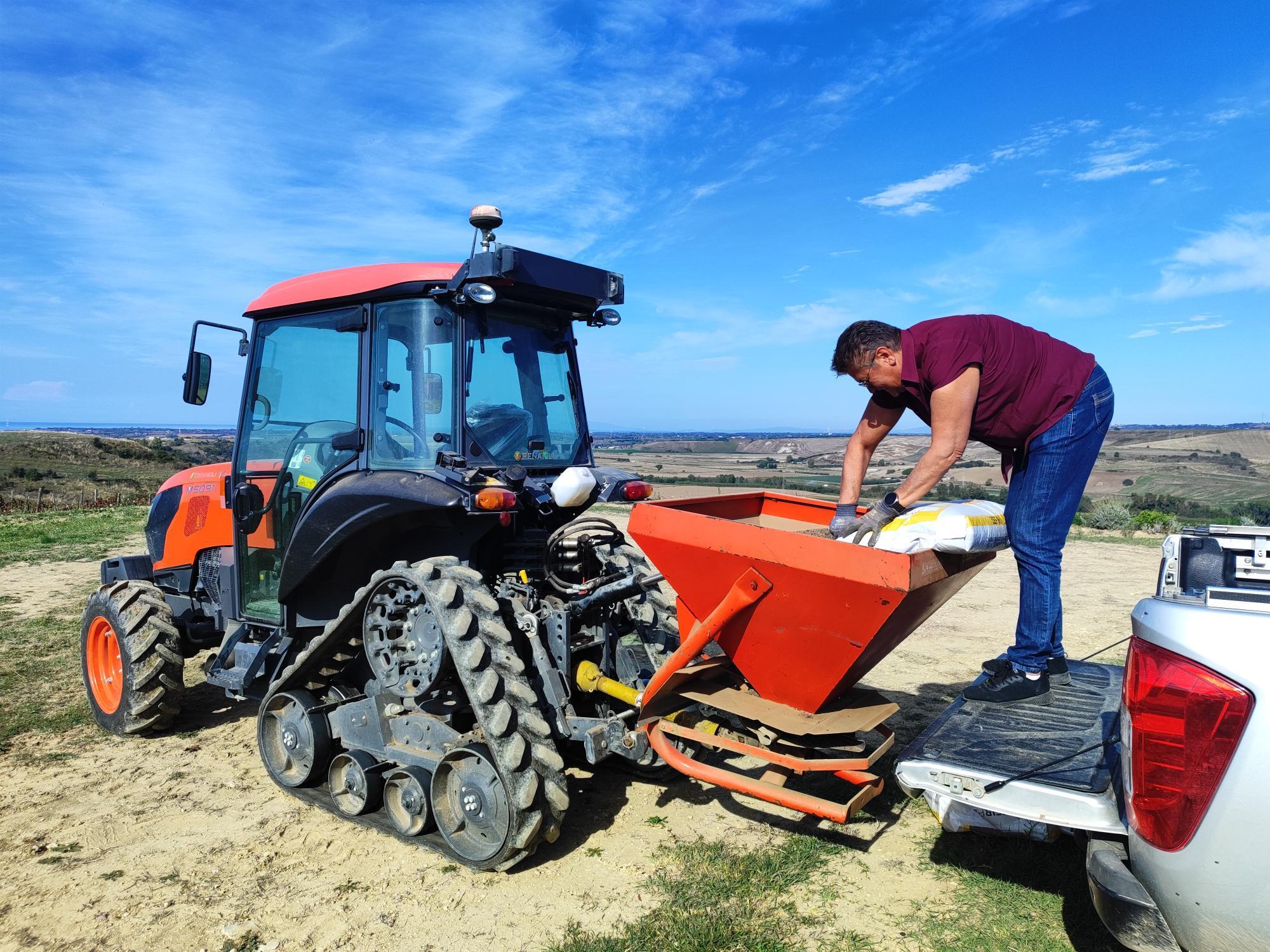
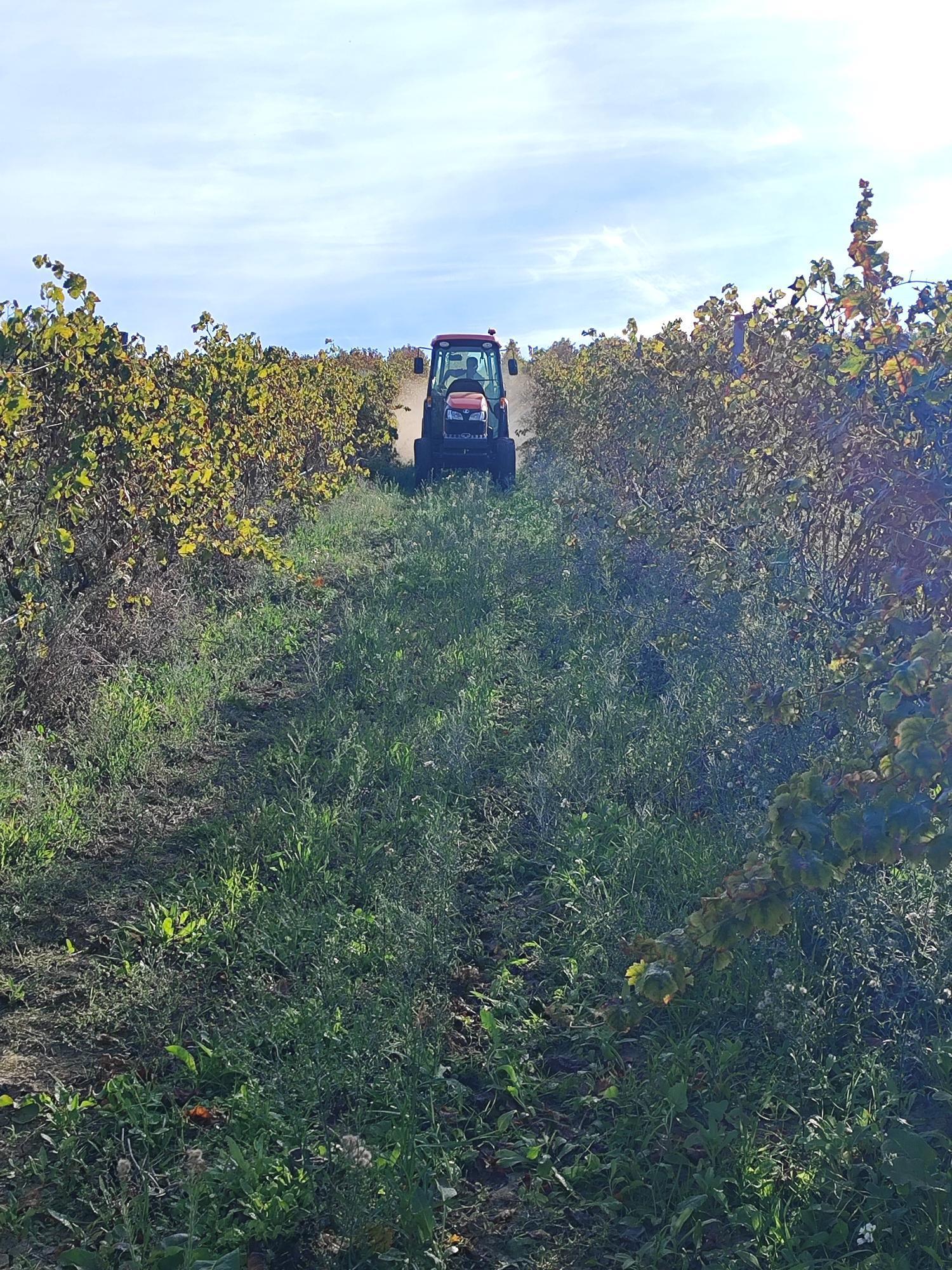
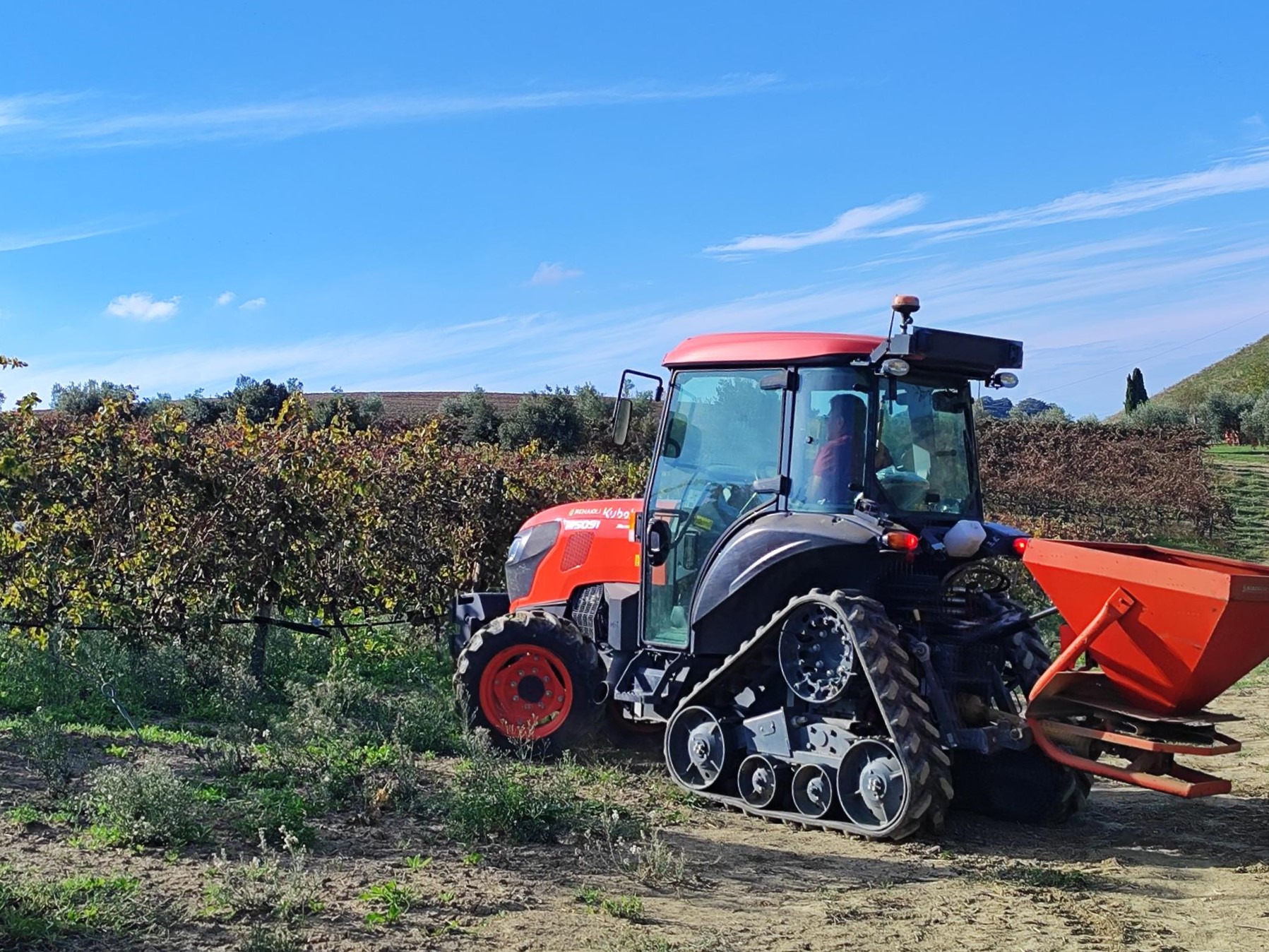
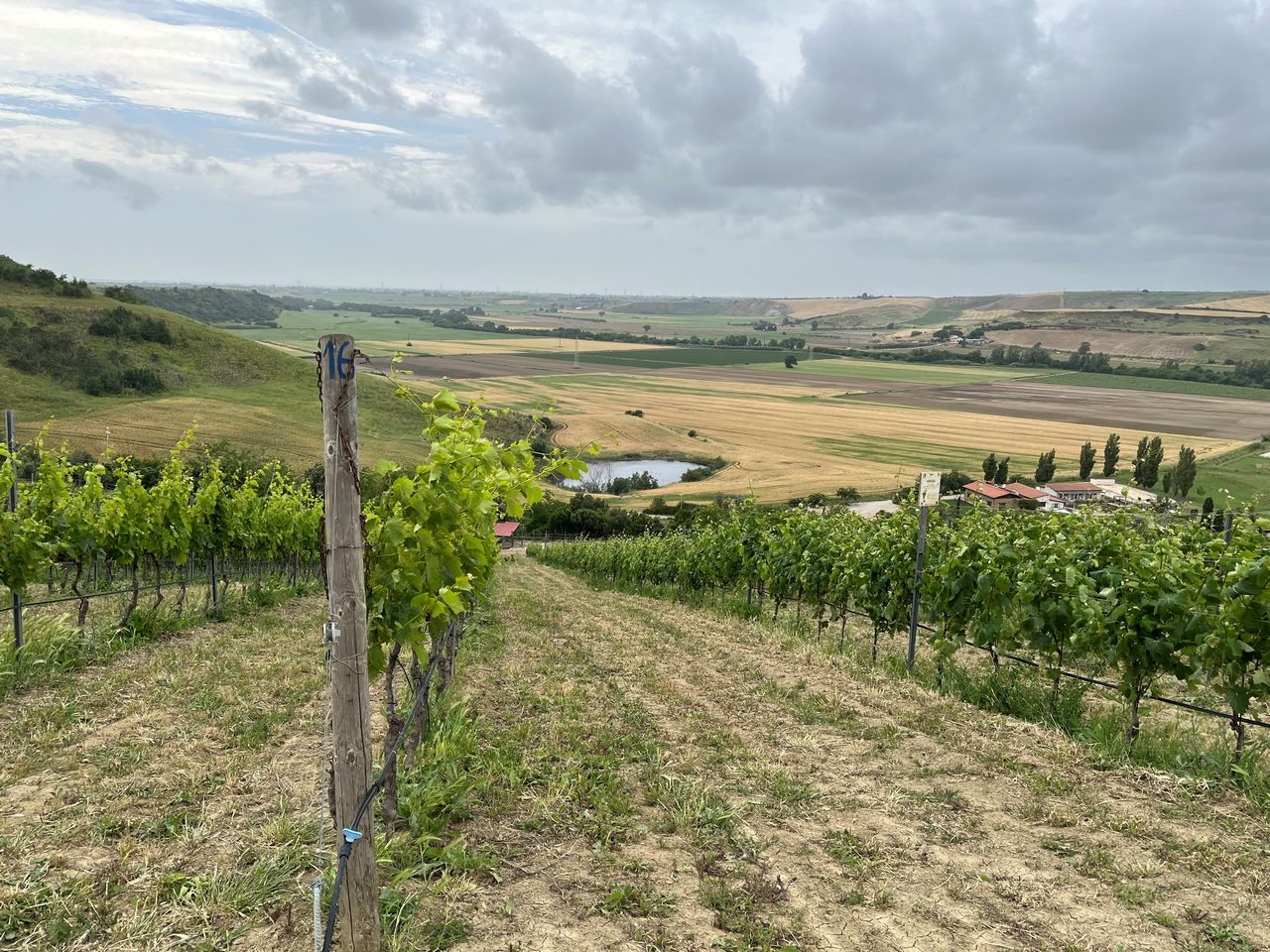
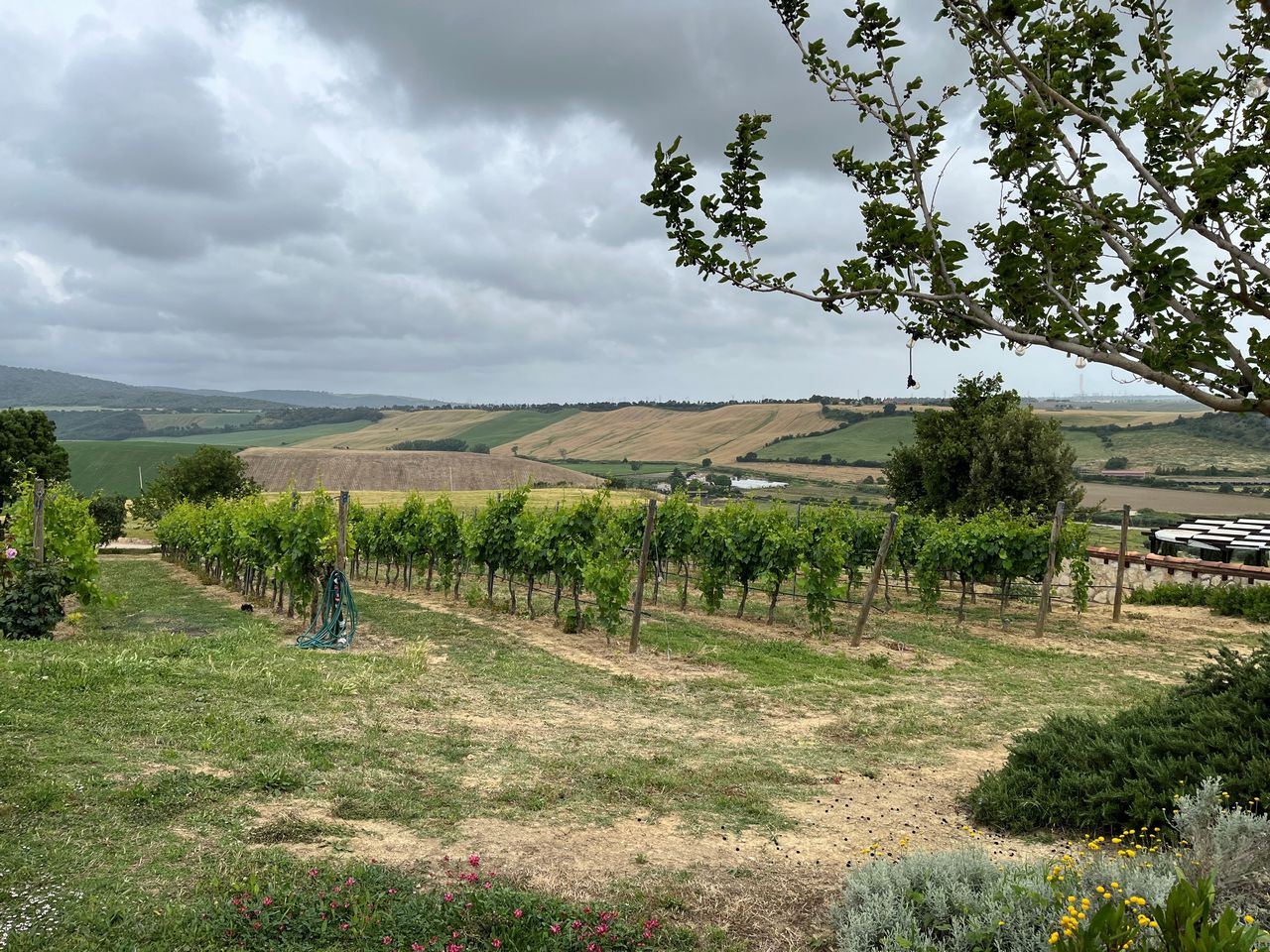
Implementation activities are already underway in pilot vineyards, where field experiments focus on improving soil moisture and nutrient management through sustainable practices and NbS interventions.
The Living Lab also places strong emphasis on:
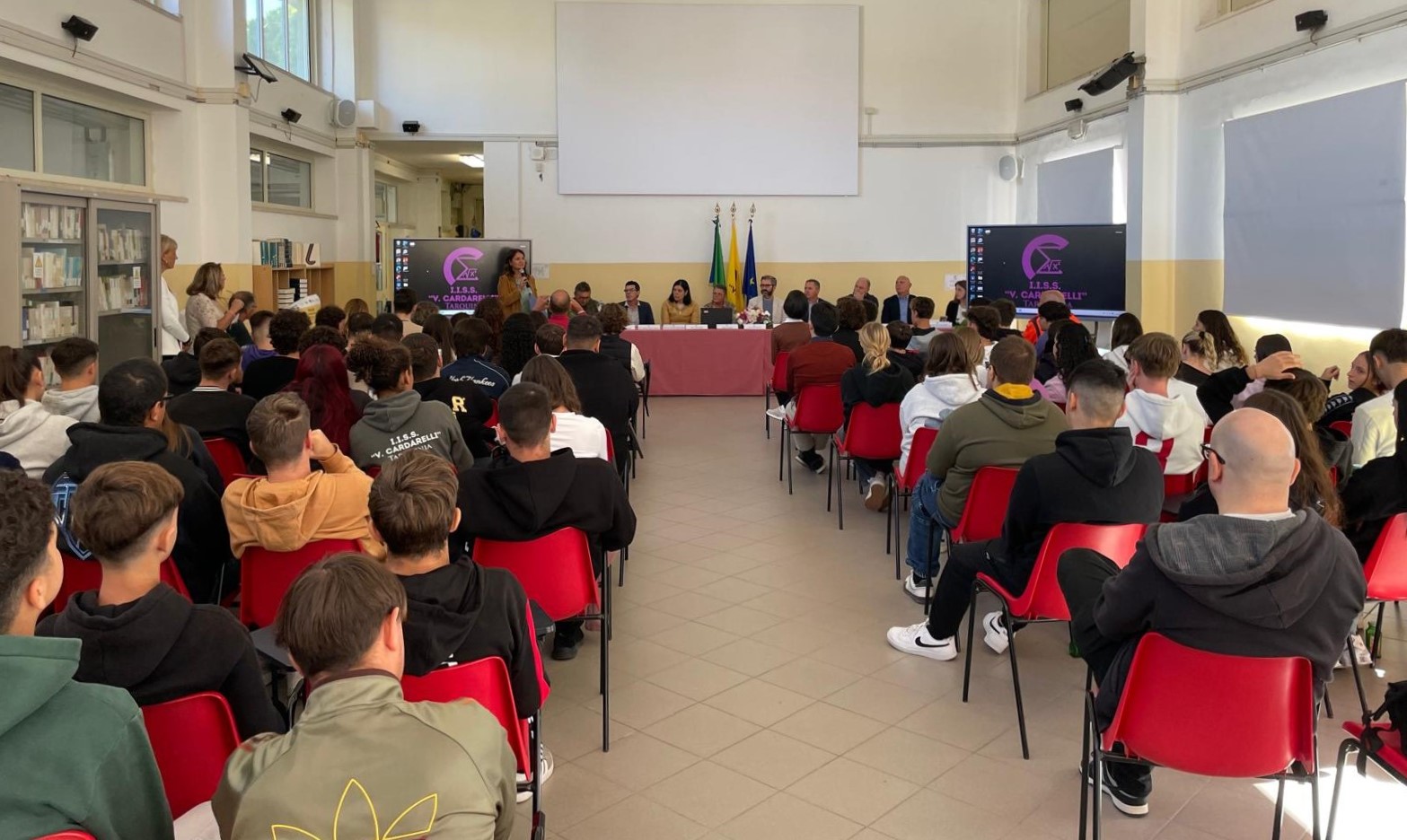
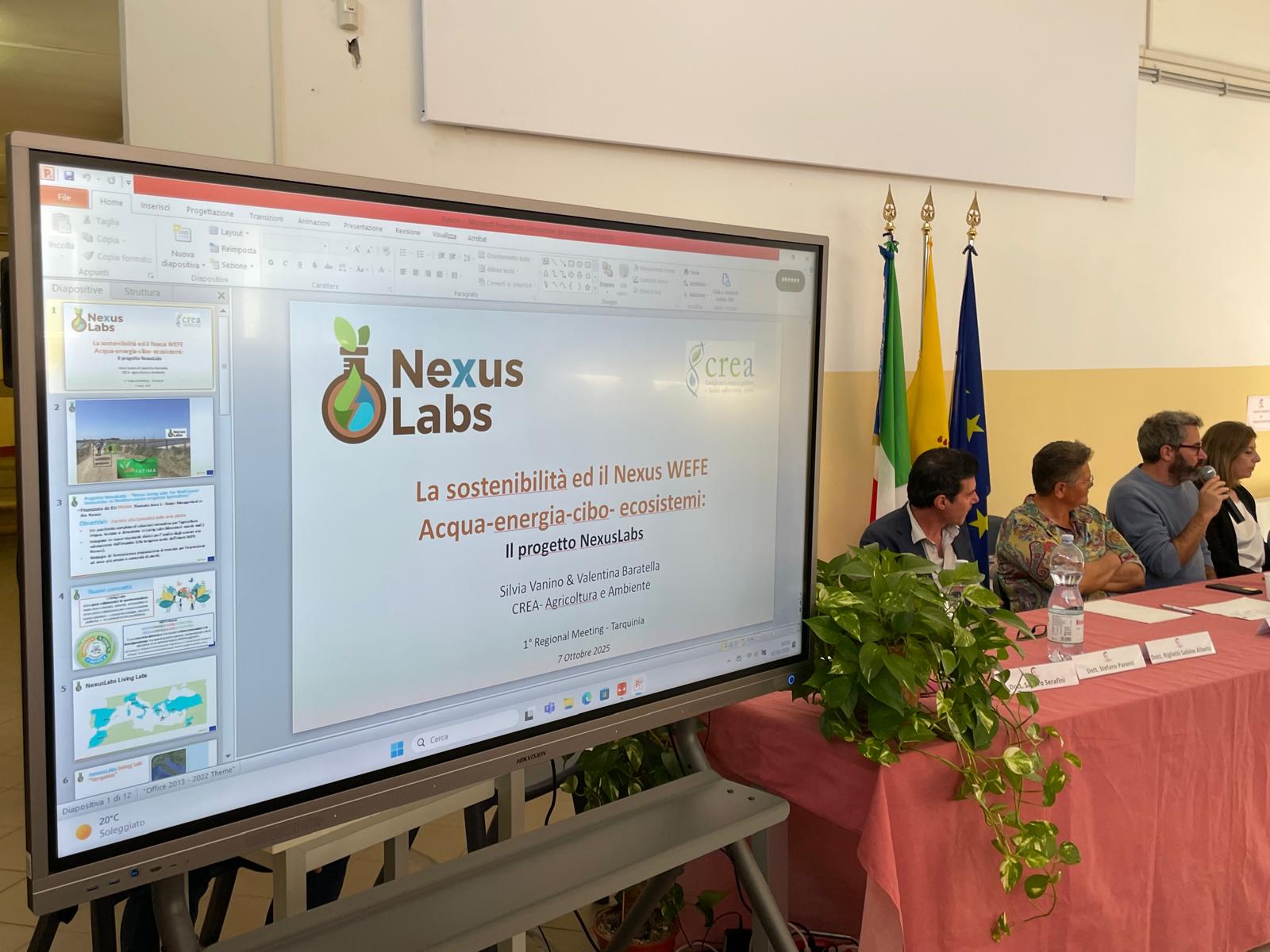
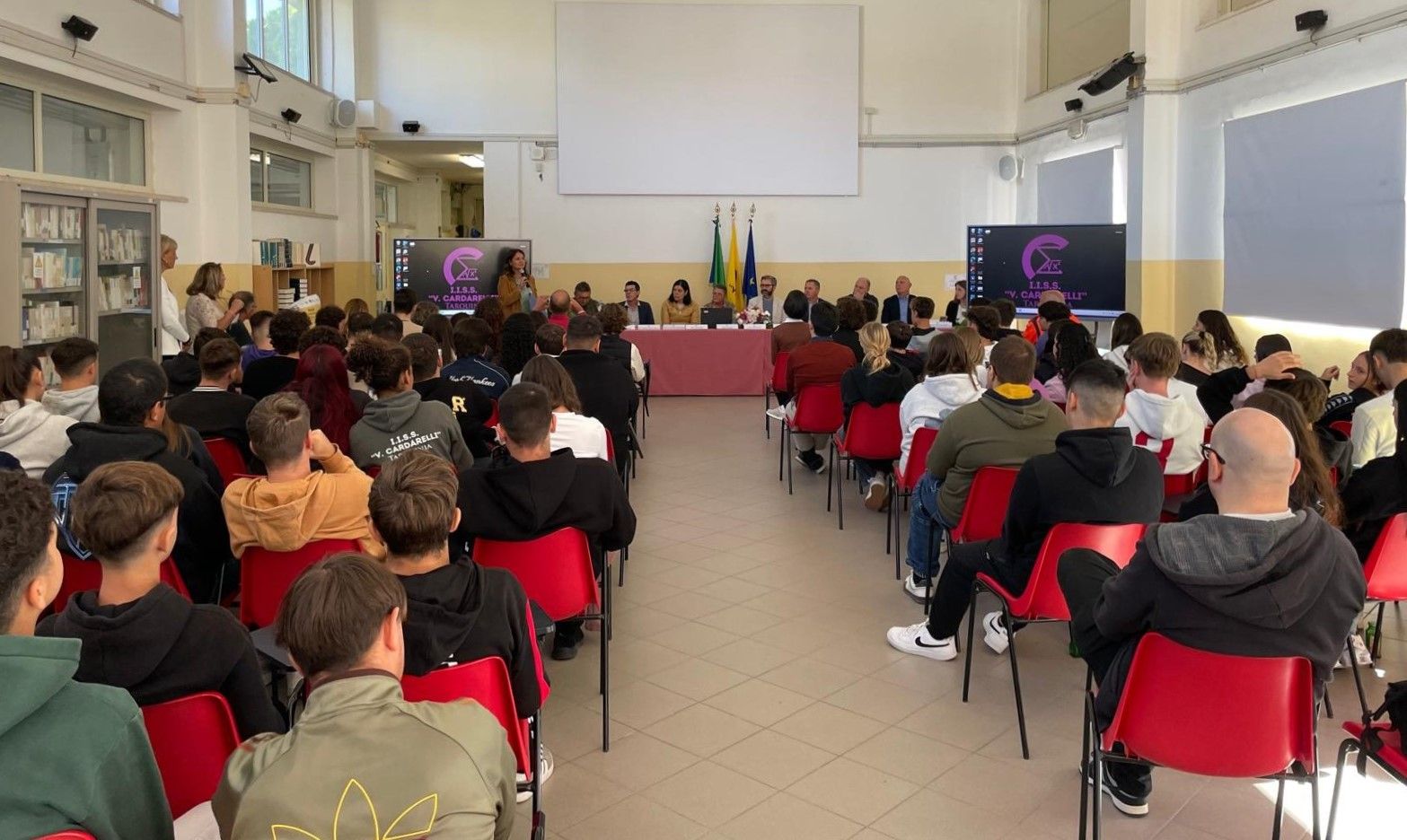
Farmers, consultants, researchers, municipalities, water authorities, schools, environmental institutions and local associations are all involved in shaping and testing solutions adapted to territorial needs.
Building long-term resilience
The Tarquinia Living Lab combines field implementation with participatory governance and territorial-scale data collection to better understand how sustainable agricultural practices can be scaled under real environmental and economic conditions.
Current activities include:
As one of the NexusLabs Mediterranean Living Labs, Tarquinia contributes practical experience on how Nature-based Solutions and sustainable water management practices can support more resilient agricultural systems under increasing climate and resource pressures.