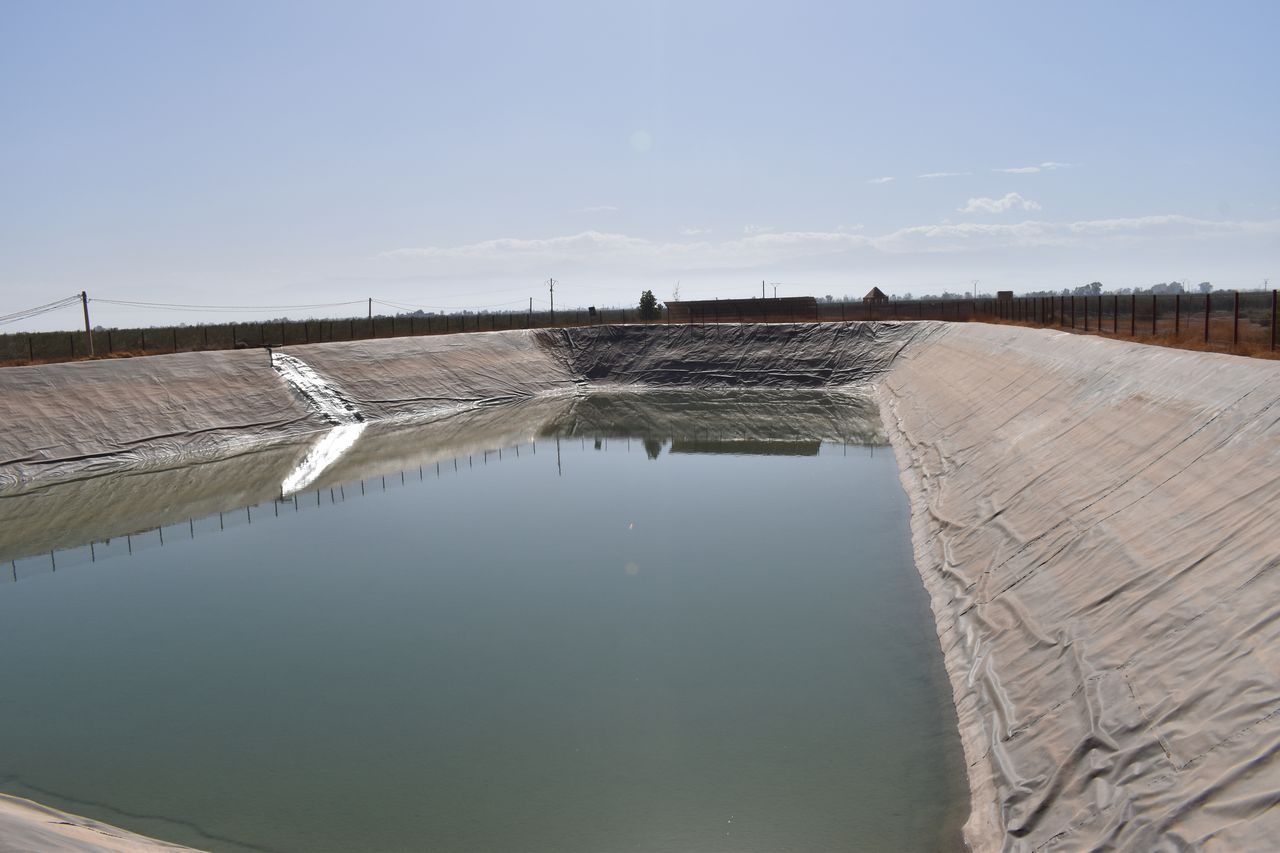
The Tensift Living Lab focuses on helping farmers manage irrigation more efficiently under conditions of severe water scarcity, rising pumping costs and increasing soil salinization.
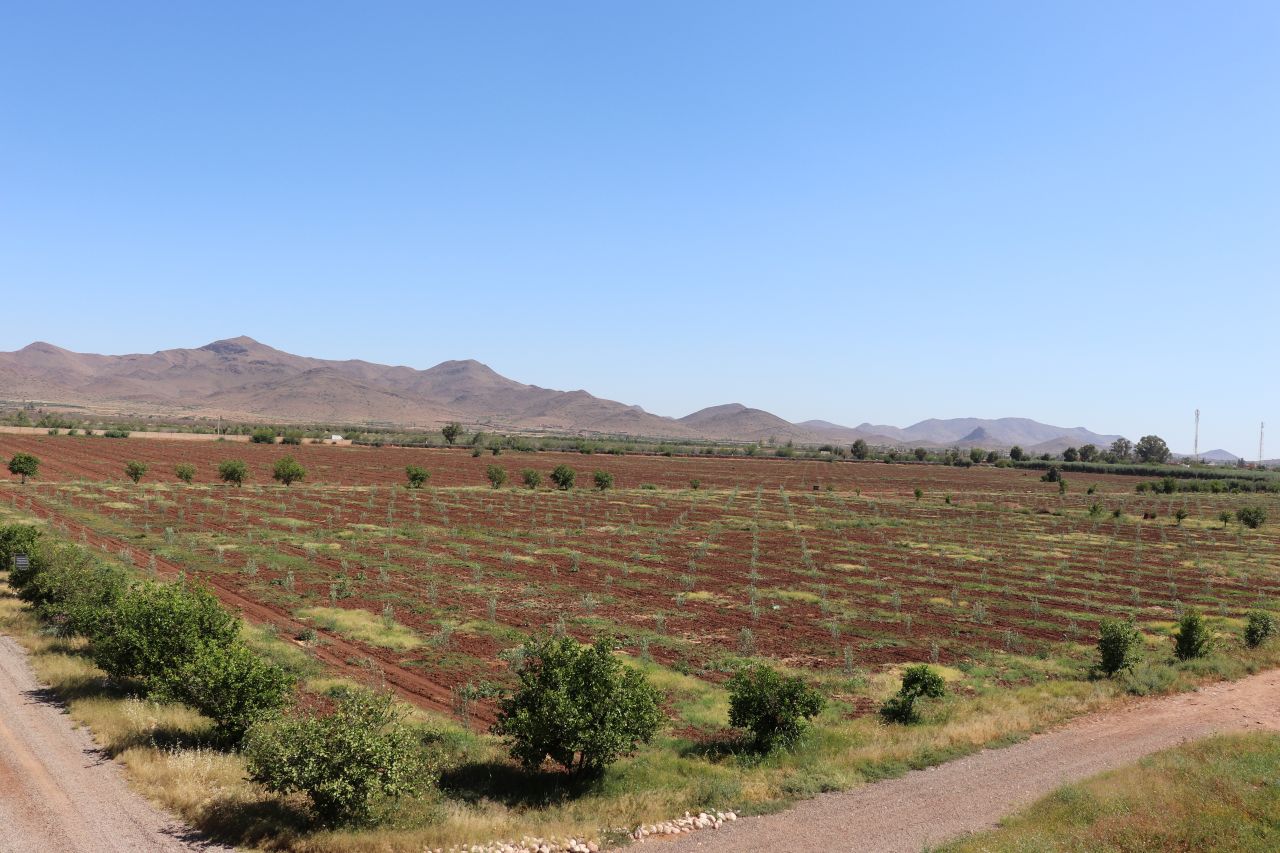
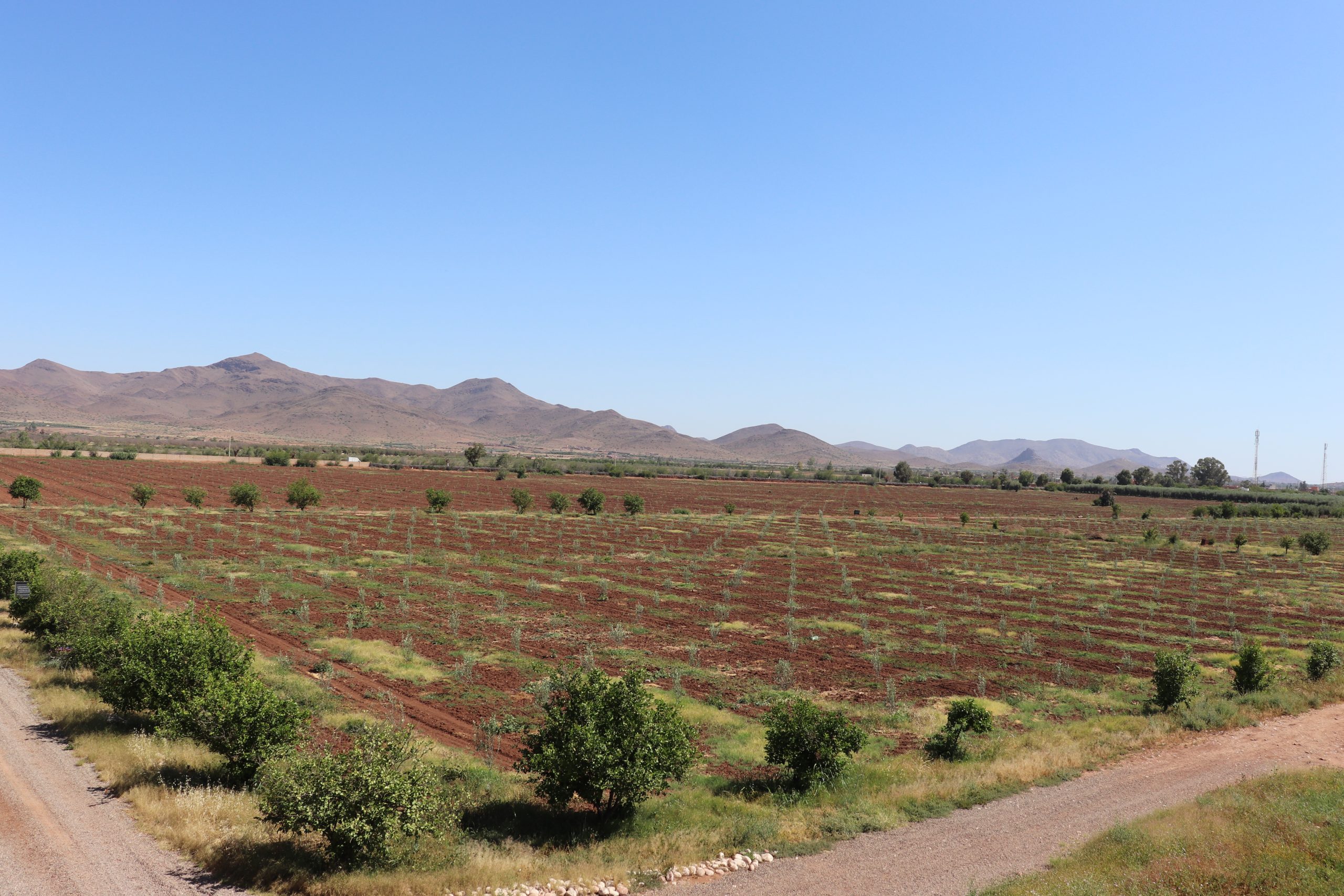
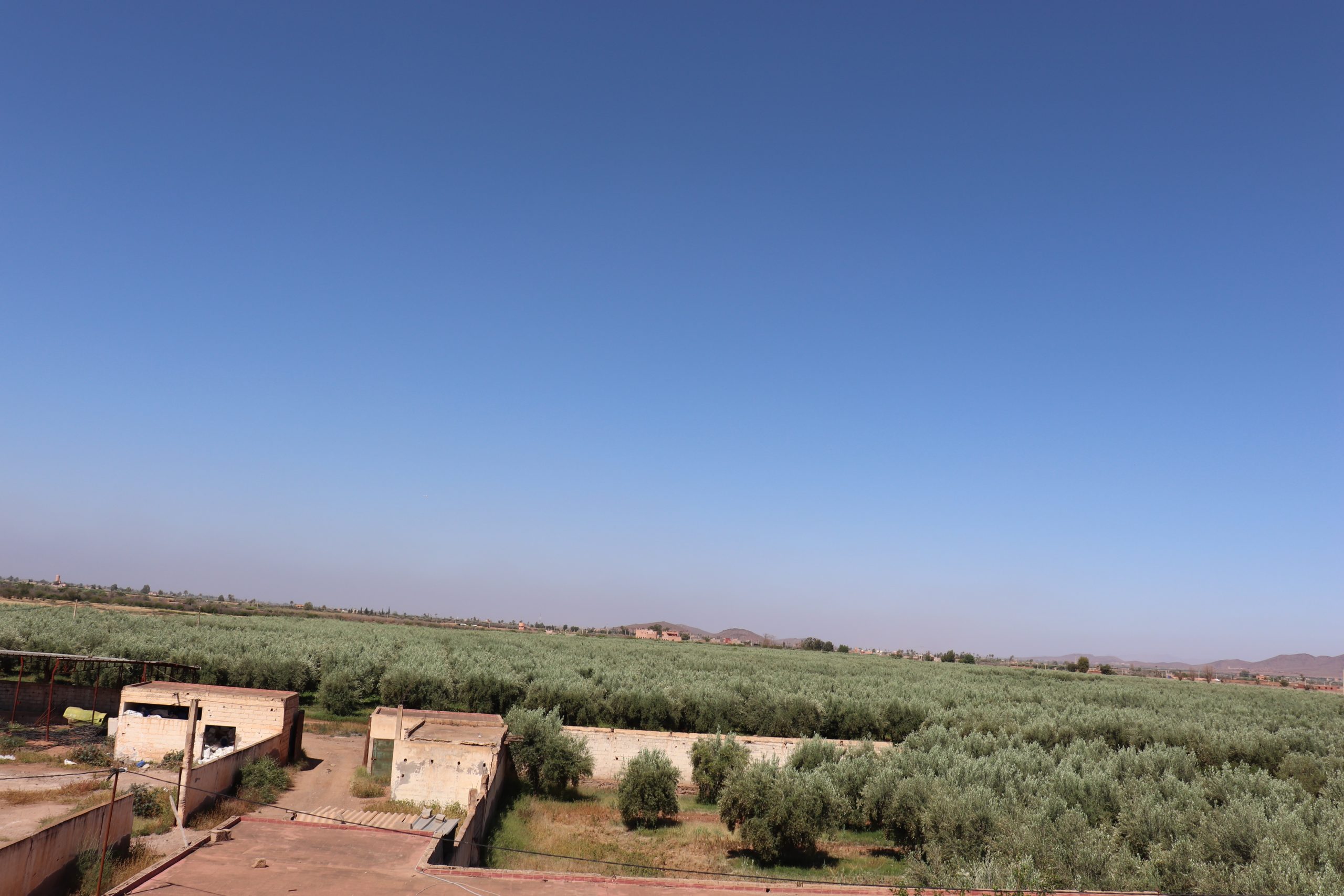
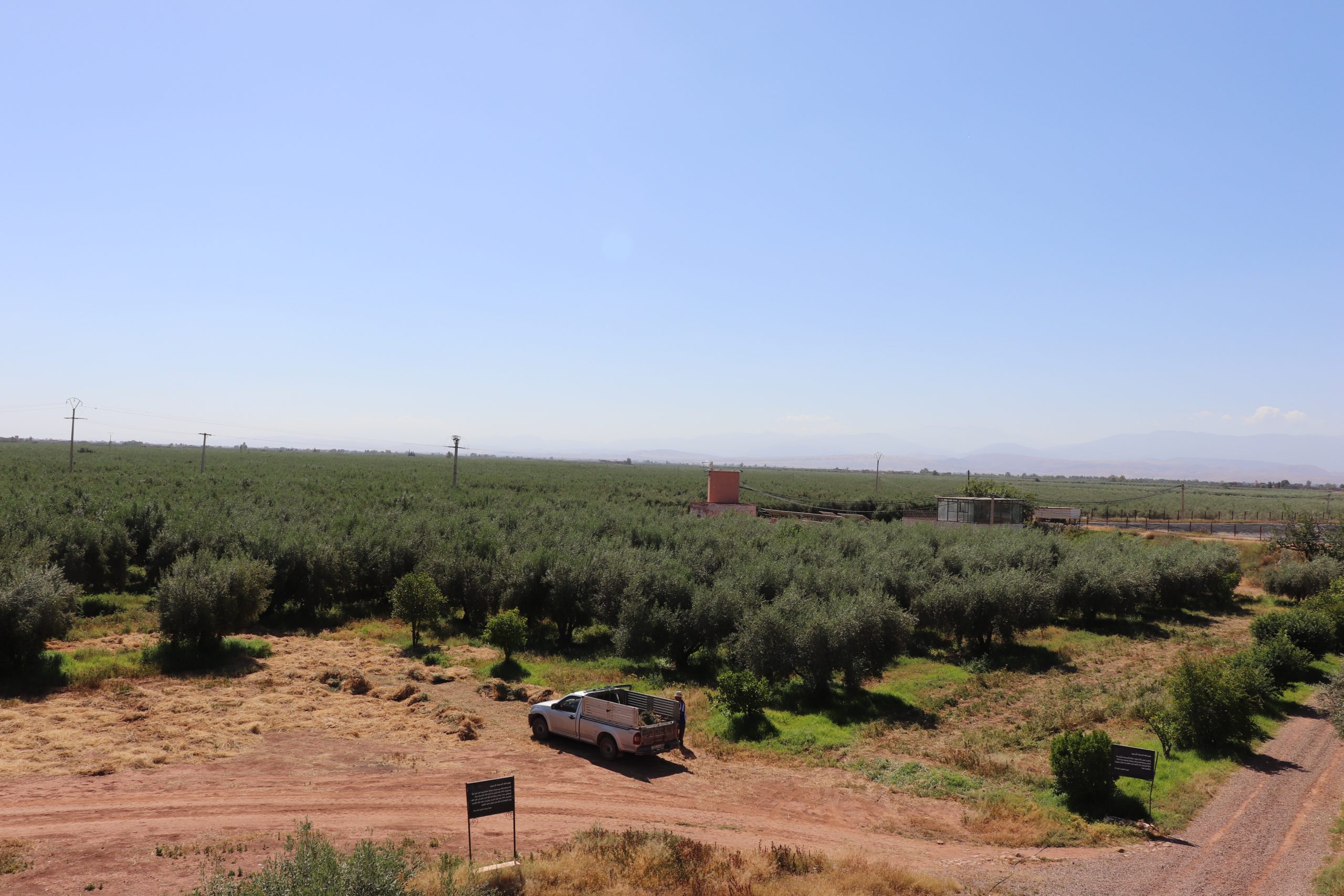
Led by Cadi Ayyad University, the Living Lab operates across the Tensift River Basin — a semi-arid region where agriculture consumes up to 85% of available water resources and rainfall in the plains averages only around 250 mm per year.
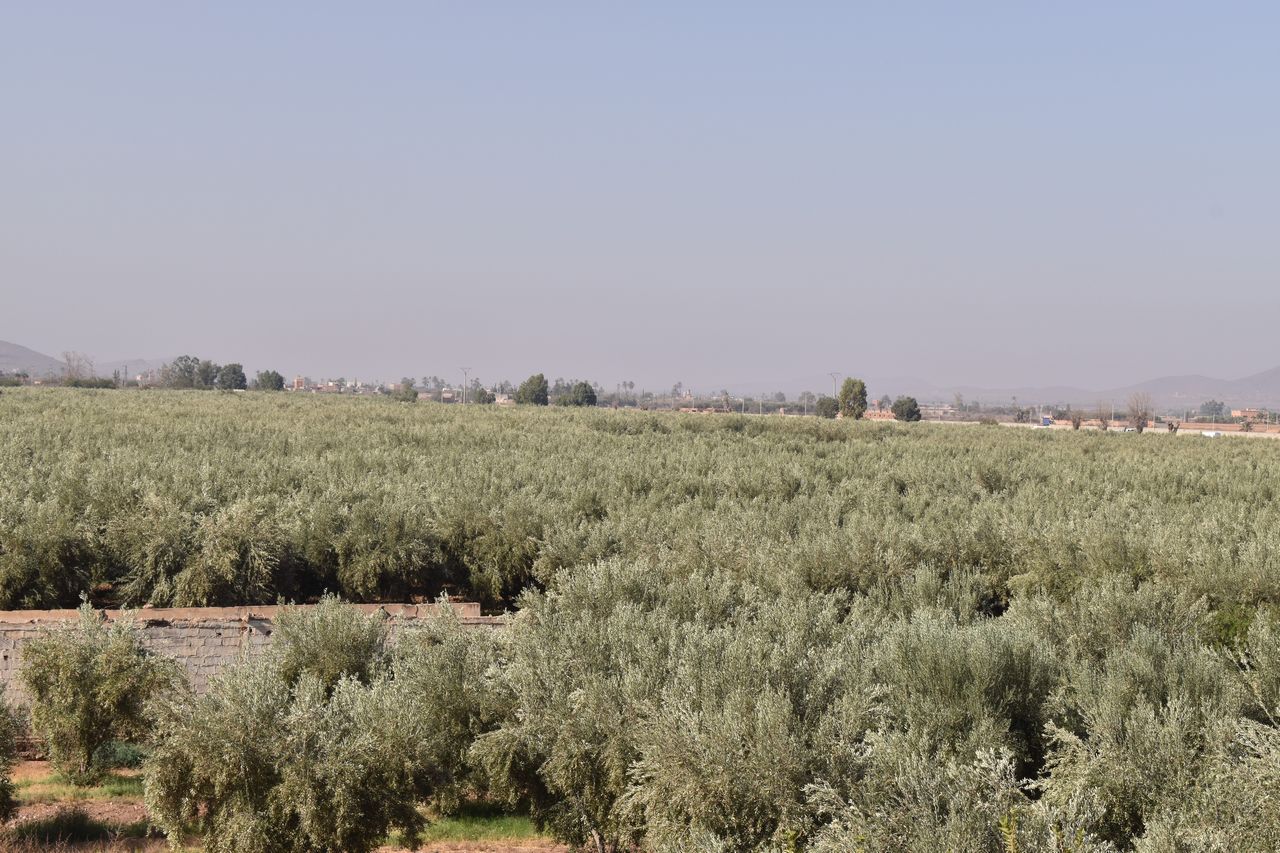
The basin supports olive groves, citrus orchards and horticultural production irrigated through a mix of traditional flood irrigation and modern drip systems. At the same time, farmers face increasing drought pressure, groundwater stress, rising irrigation energy costs and progressive soil salinization.
The core objective of the Living Lab is to optimise irrigation management by combining meteorological data, in-situ soil monitoring, remote sensing and decision-support tools into practical guidance that farmers can actually use.
The approach integrates:
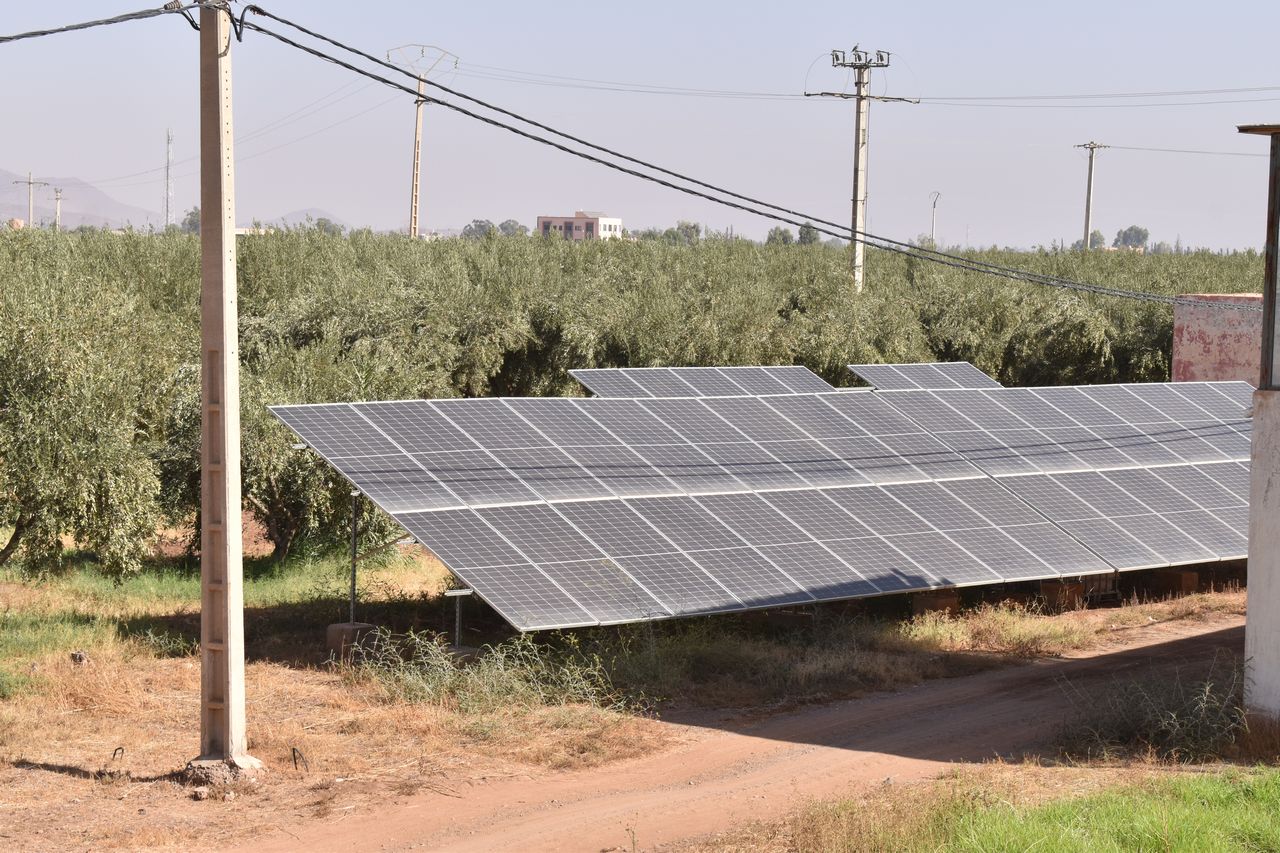
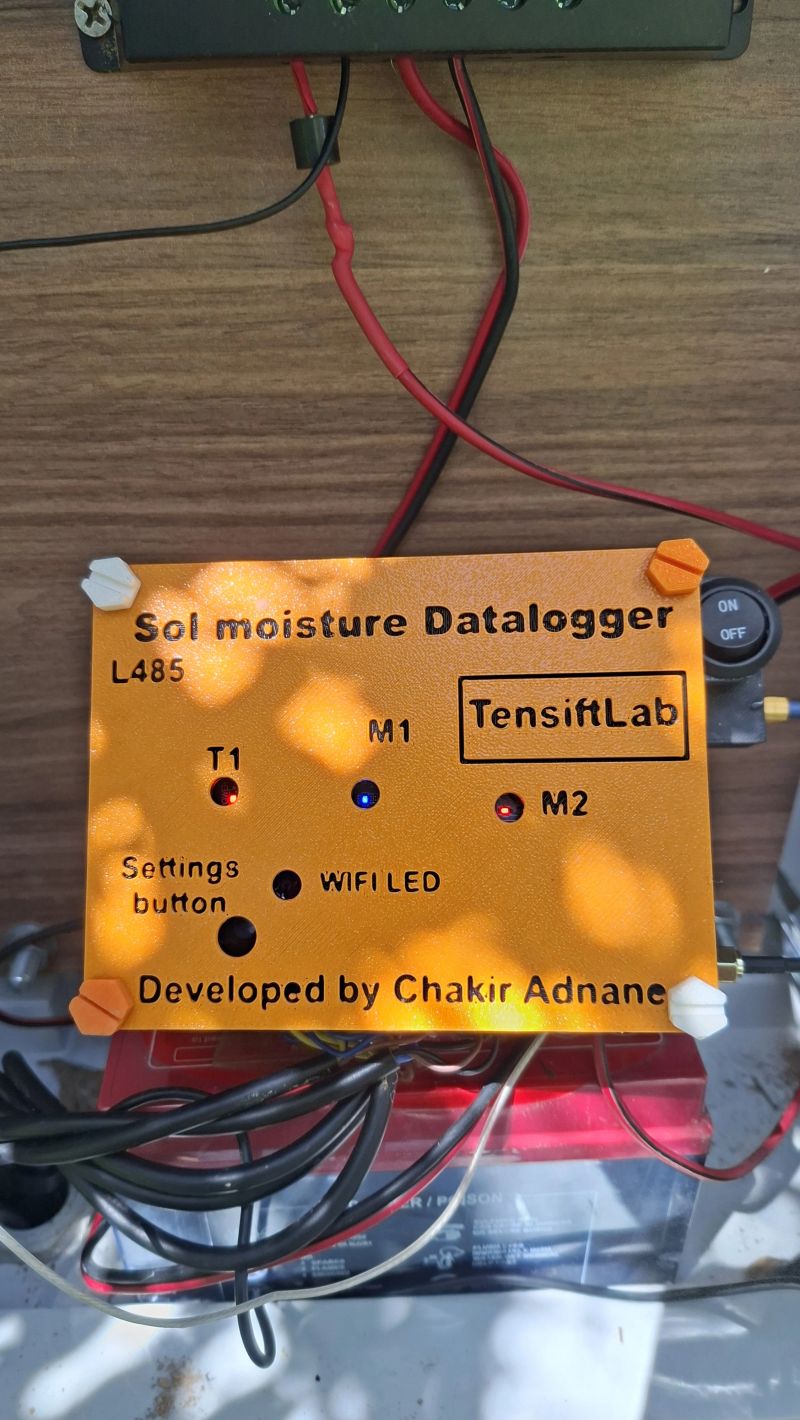
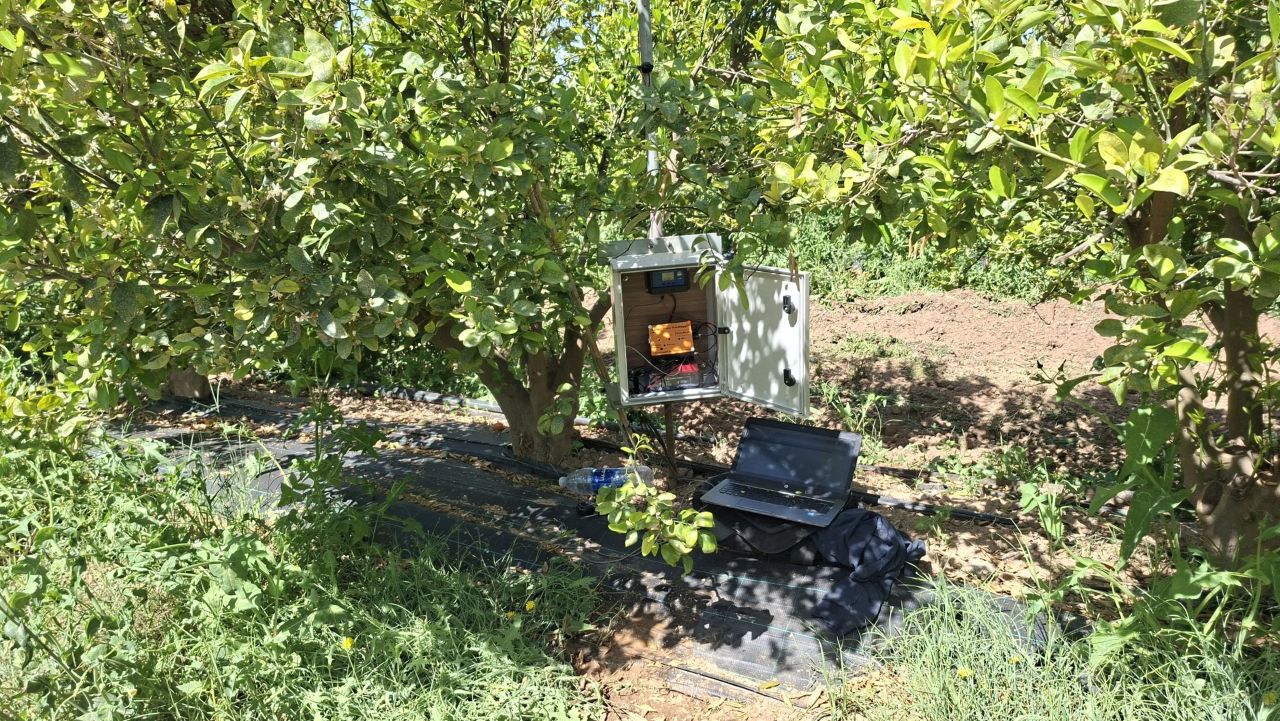
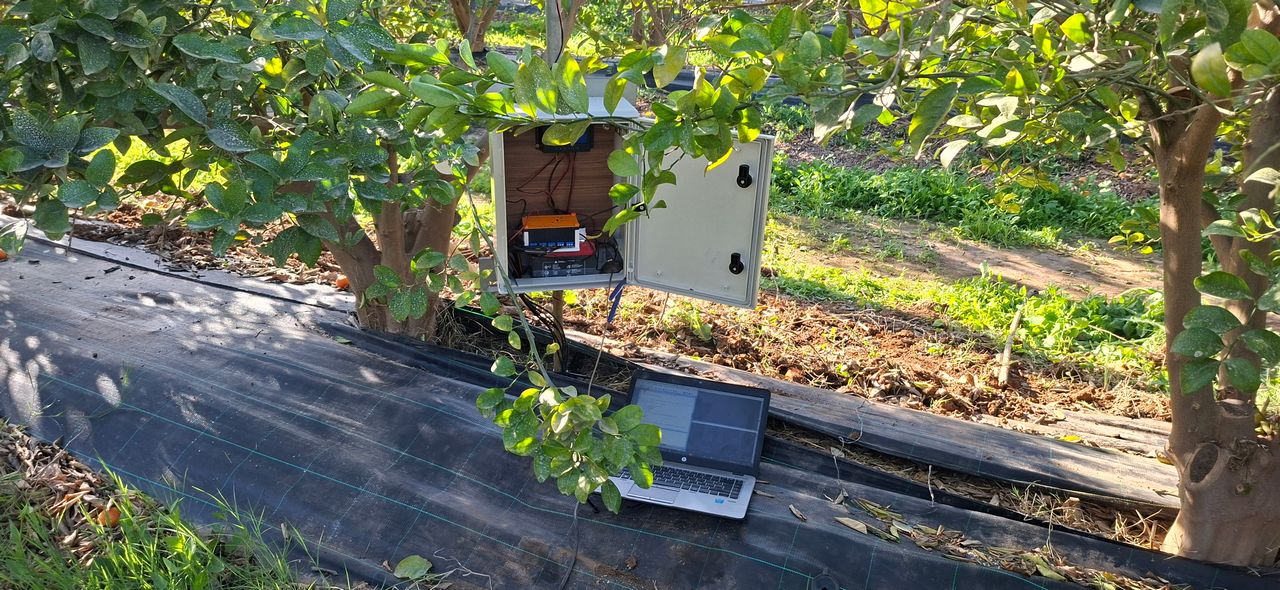
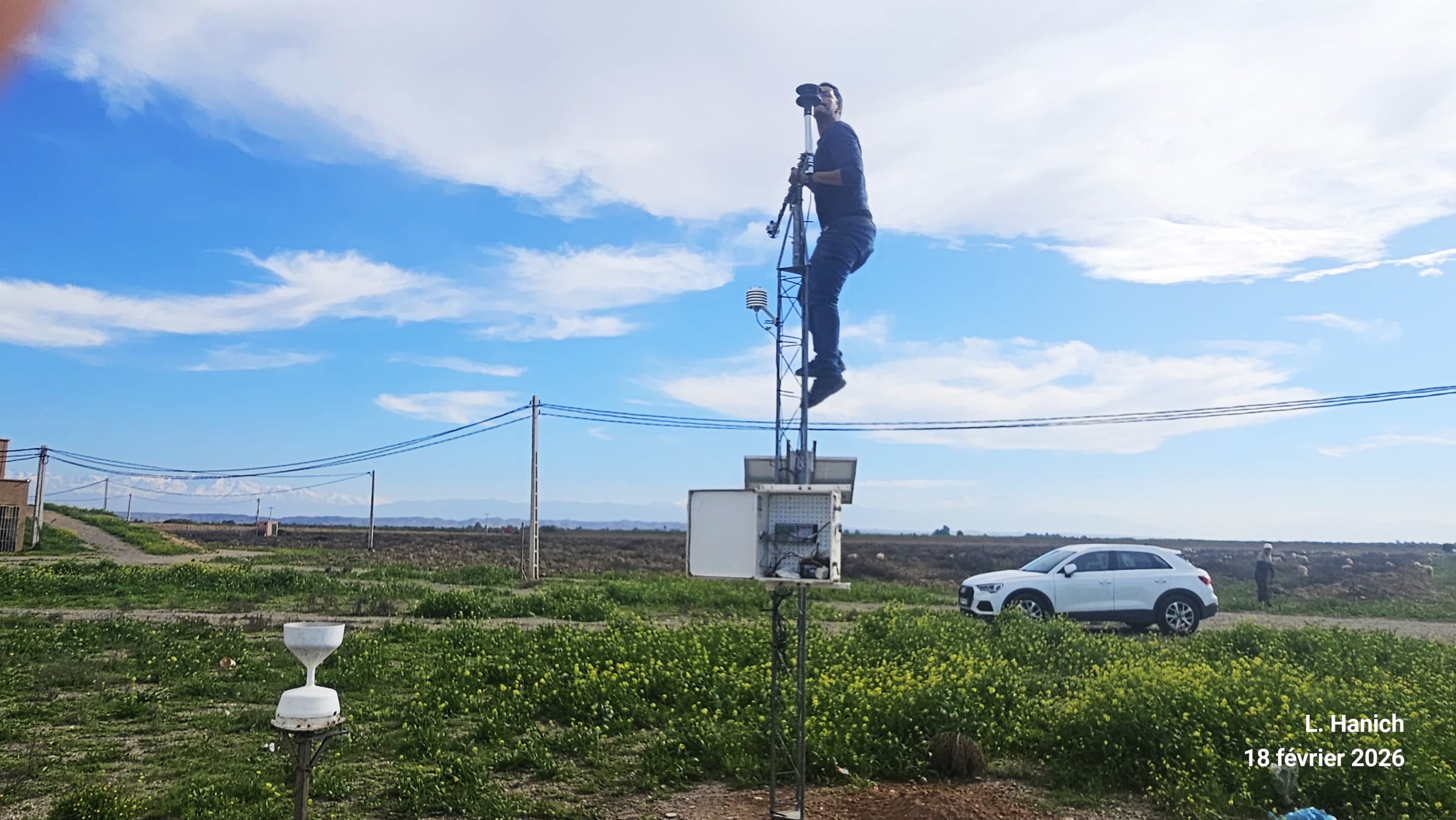
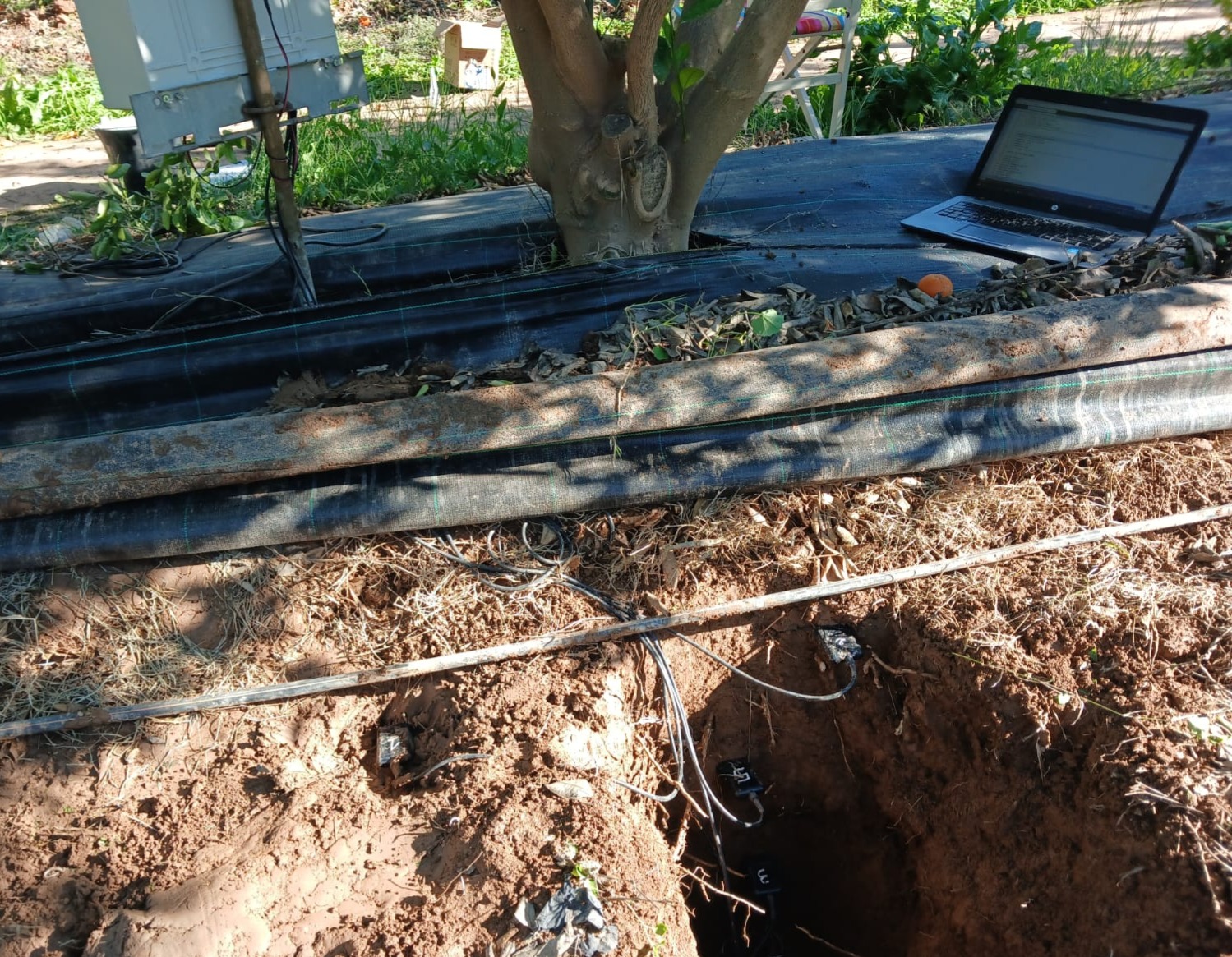
A major focus is keeping the technology affordable and practical under real farming conditions. The Living Lab has already deployed low-cost monitoring stations capable of continuously measuring soil moisture, temperature and electrical conductivity linked to salinity and nutrient conditions.
Installed at multiple soil depths, these systems help farmers understand how water moves through the soil, whether irrigation is reaching the root zone effectively, and whether water or nutrients are being lost below crop level.
The monitoring systems automatically collect and transmit data, creating a real-time picture of soil conditions while also serving as ground-truth validation for digital irrigation tools and satellite observations.
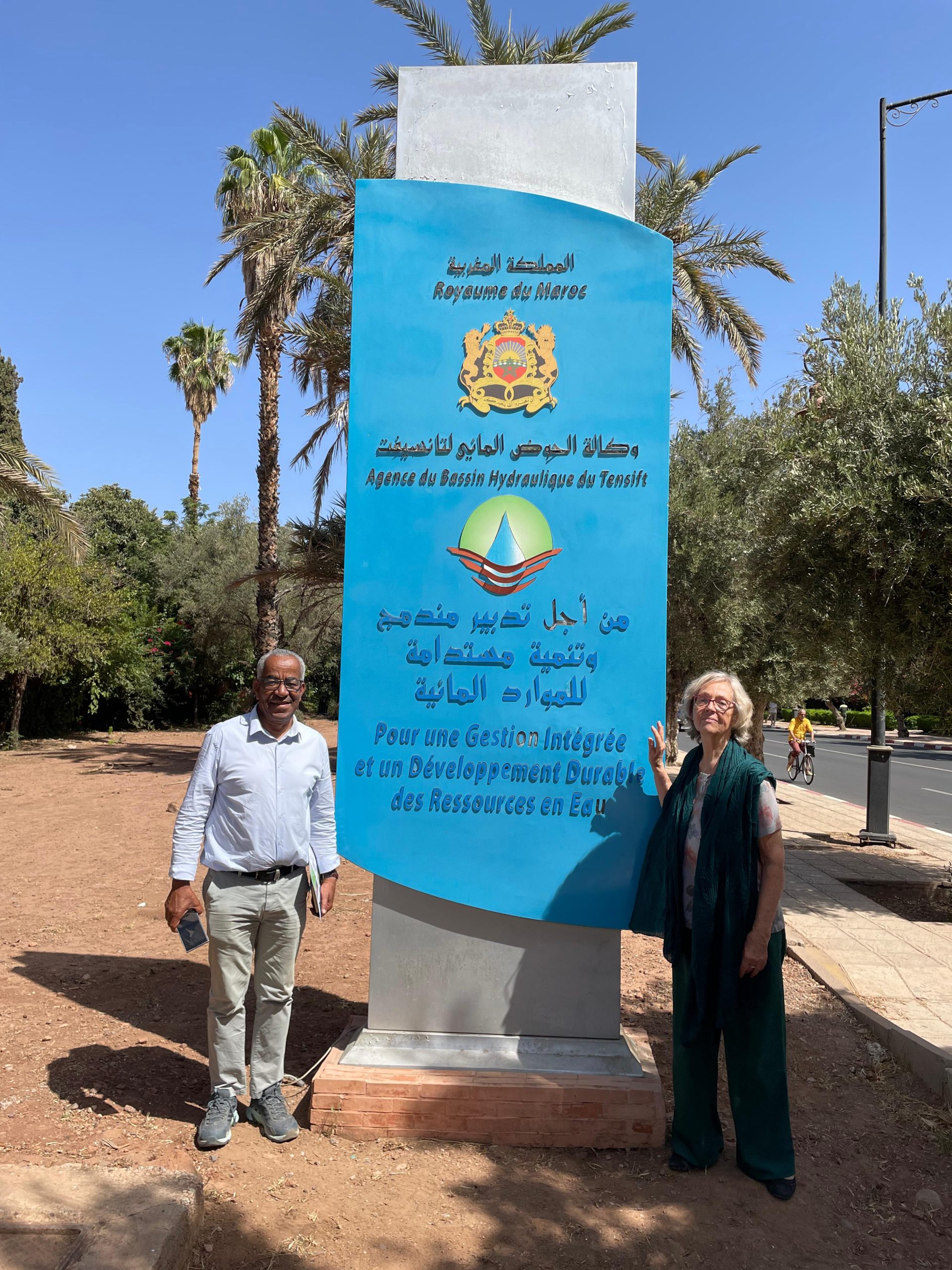
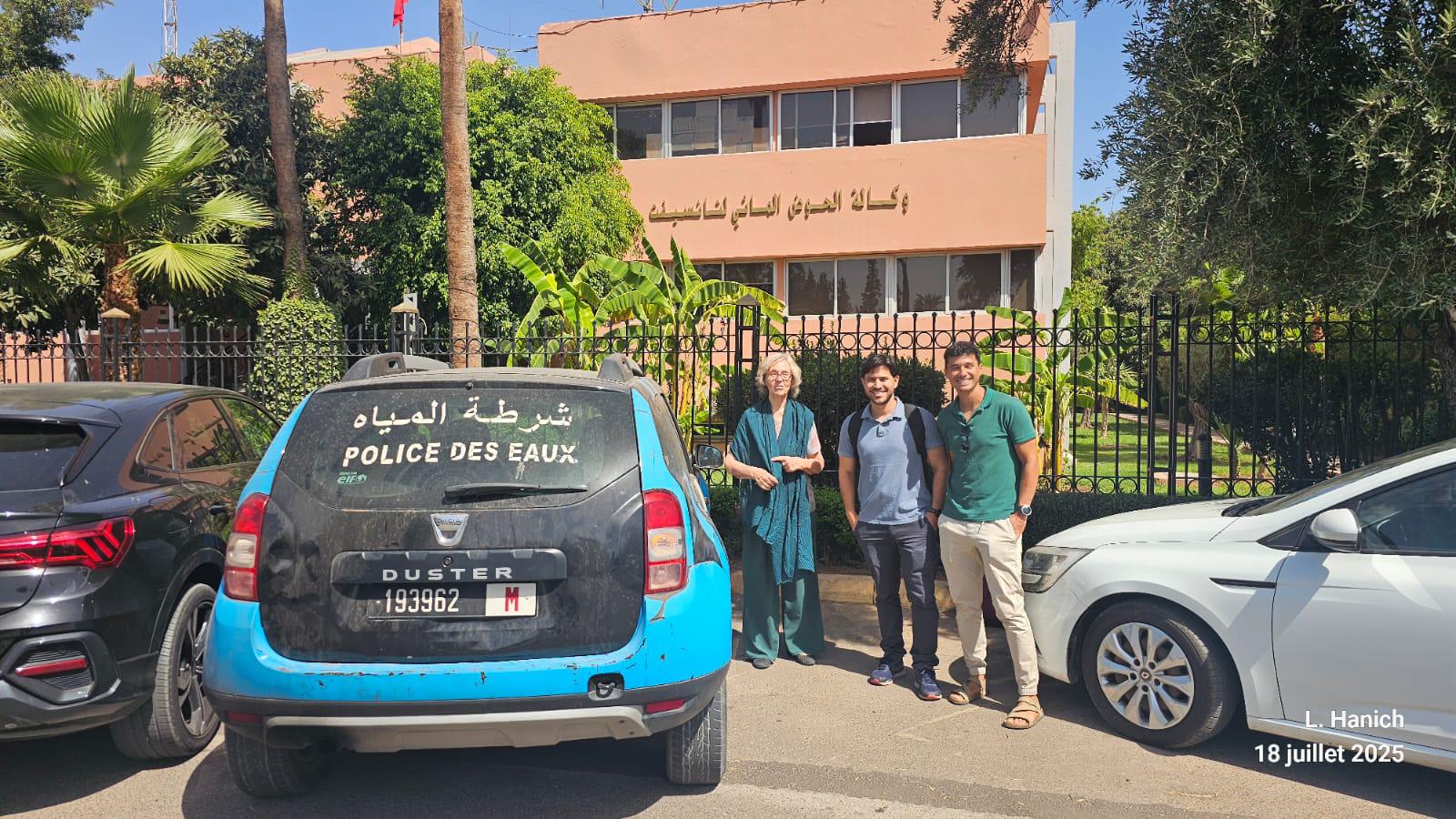
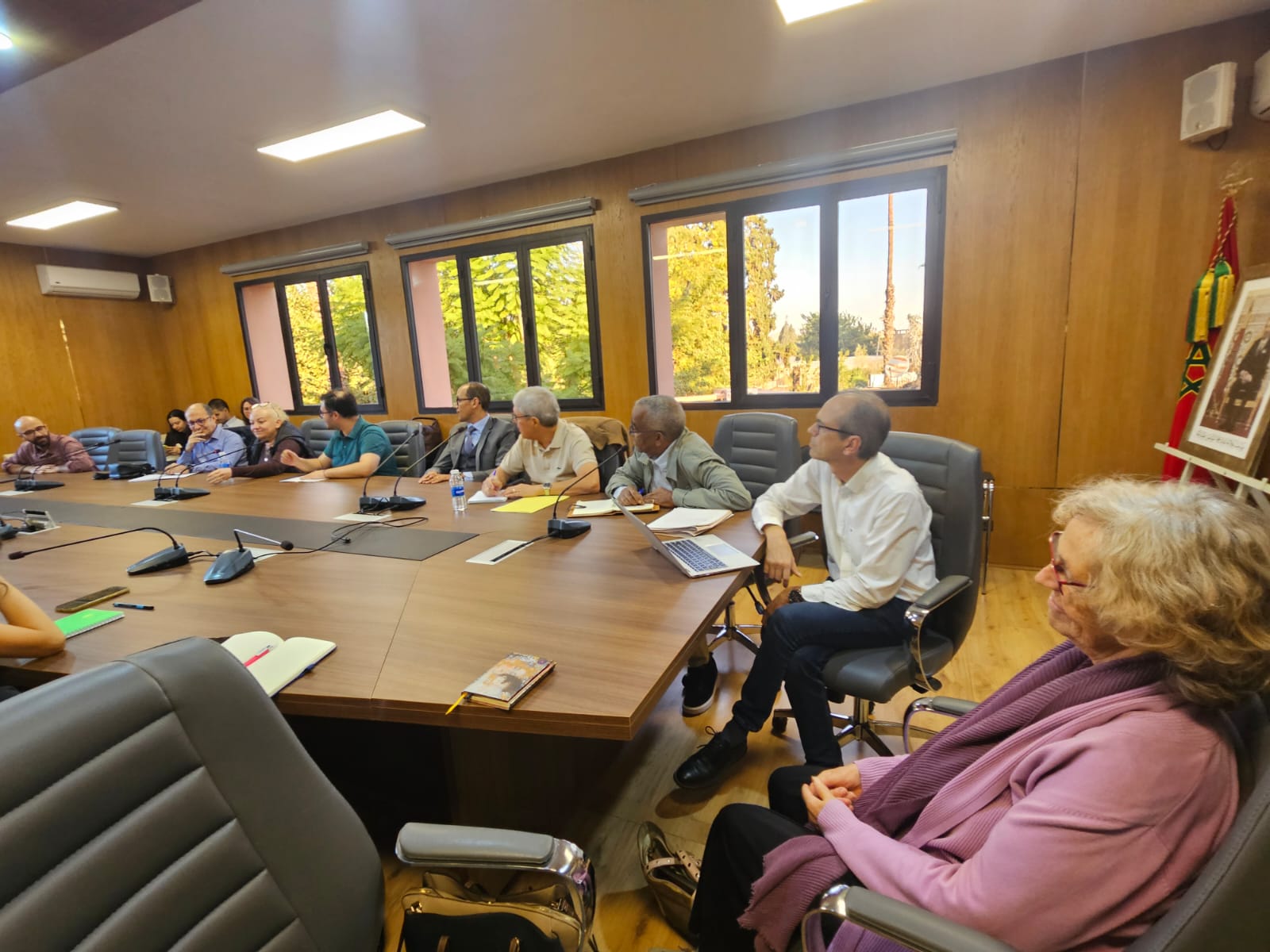
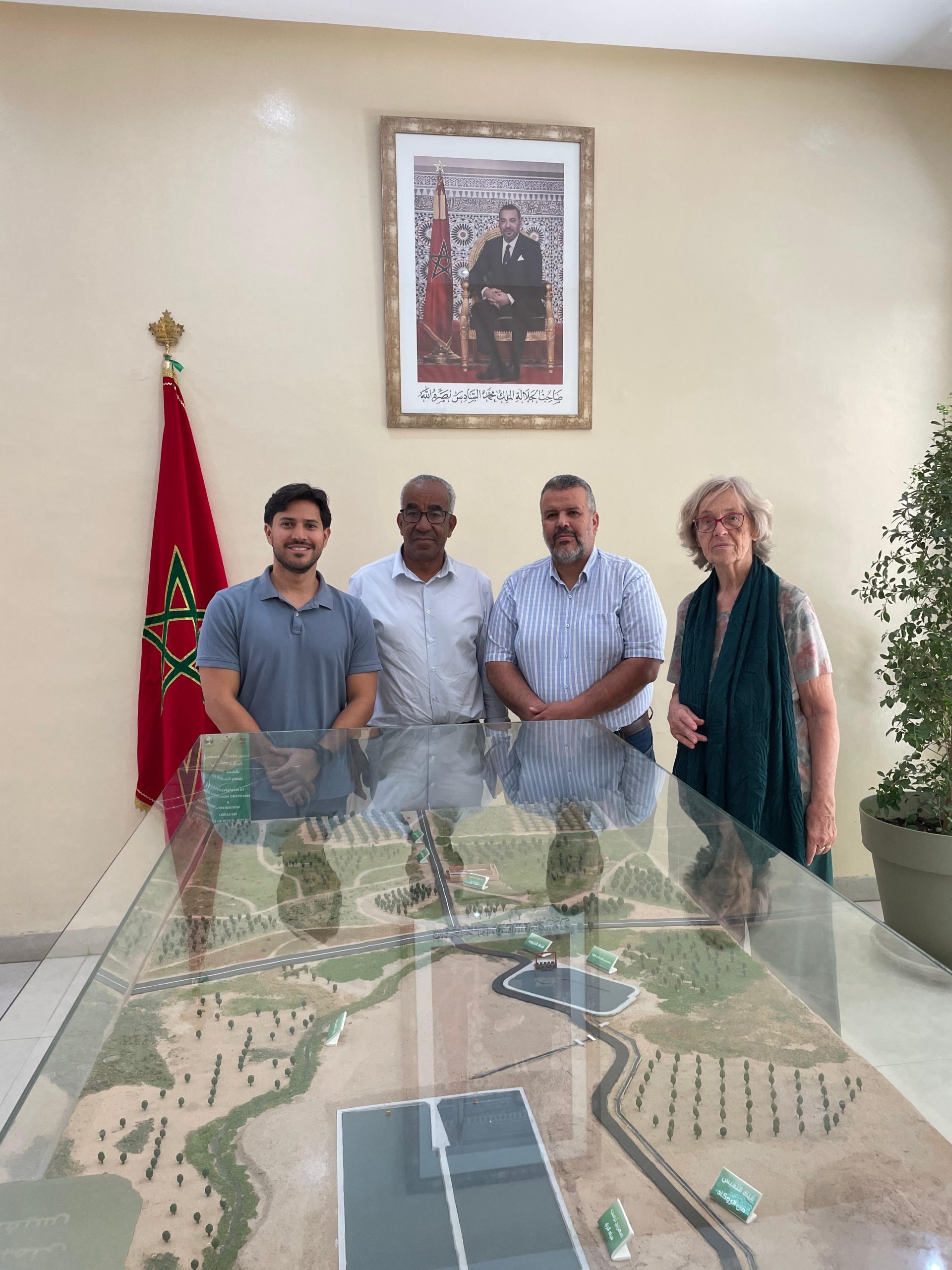
The Tensift Living Lab works closely with regional institutions and water governance actors including:
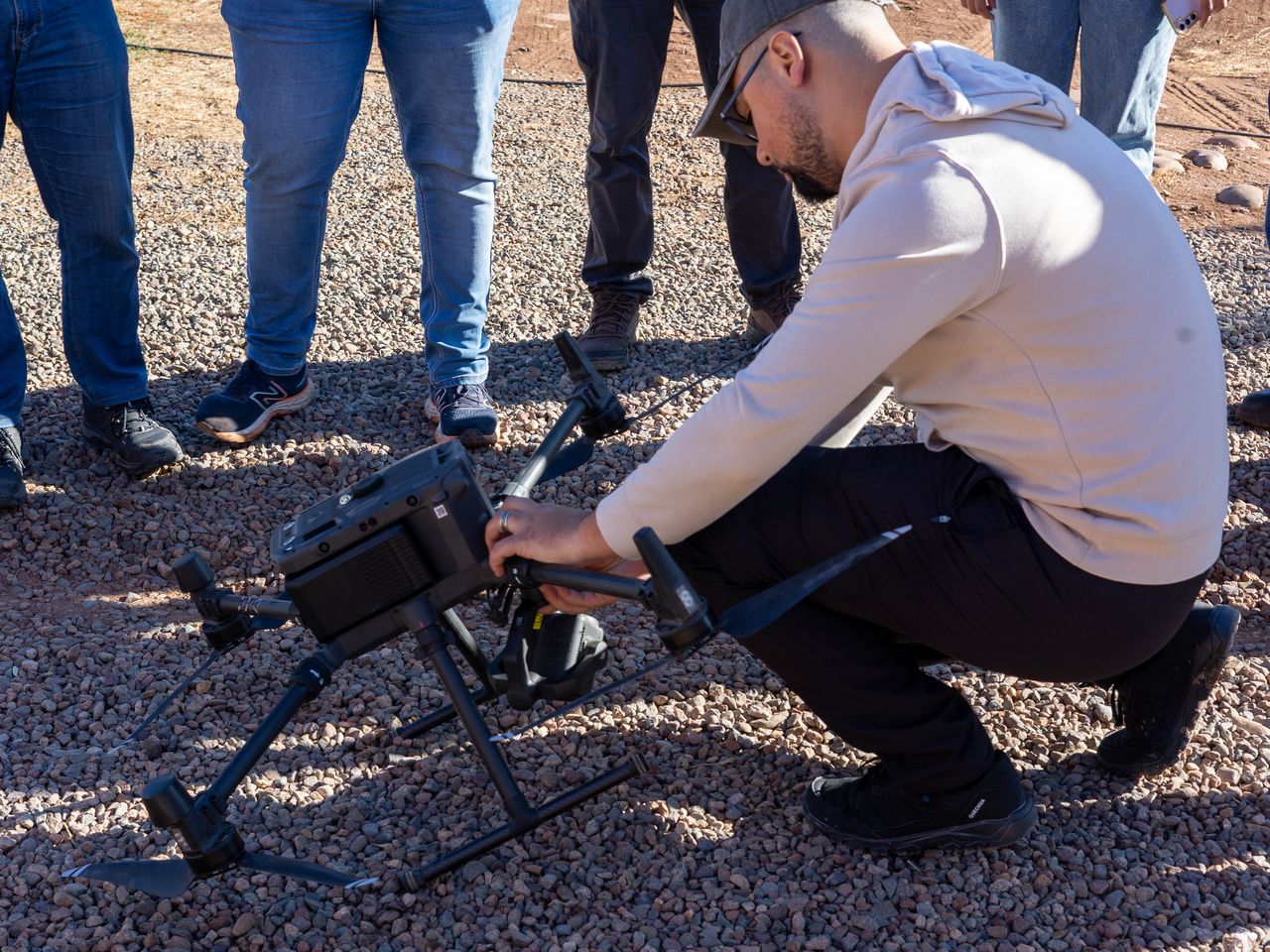
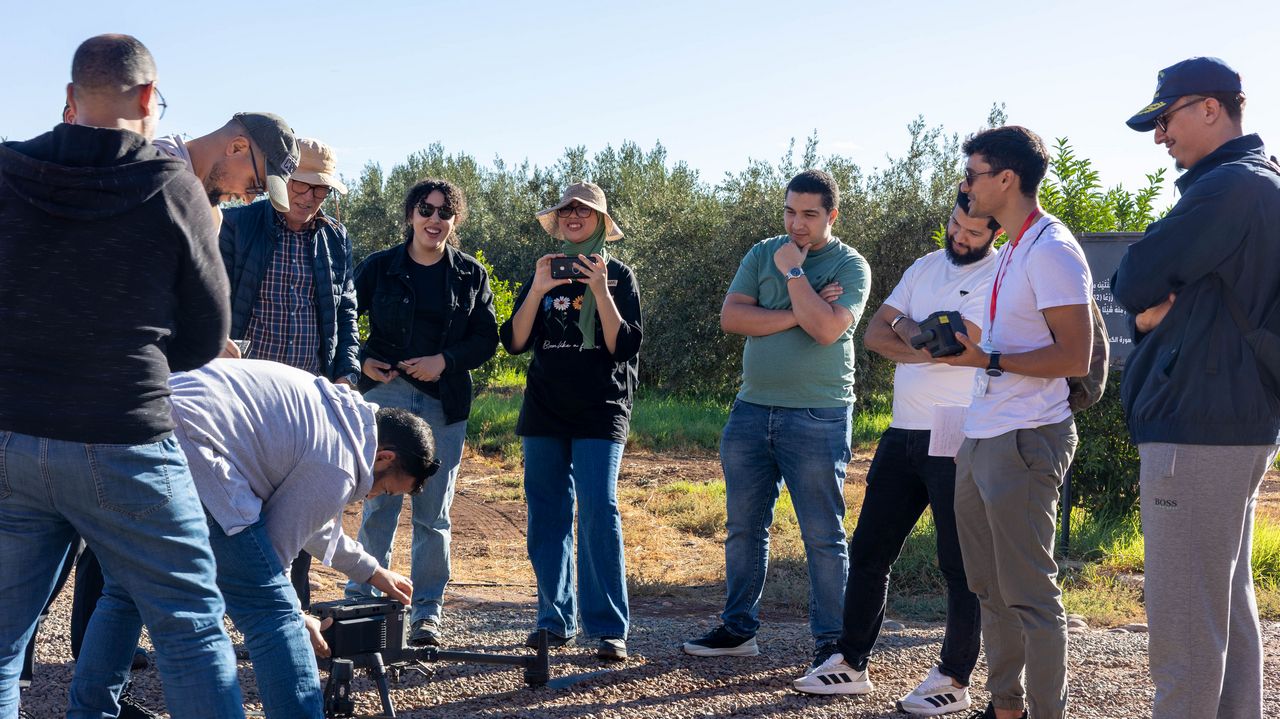
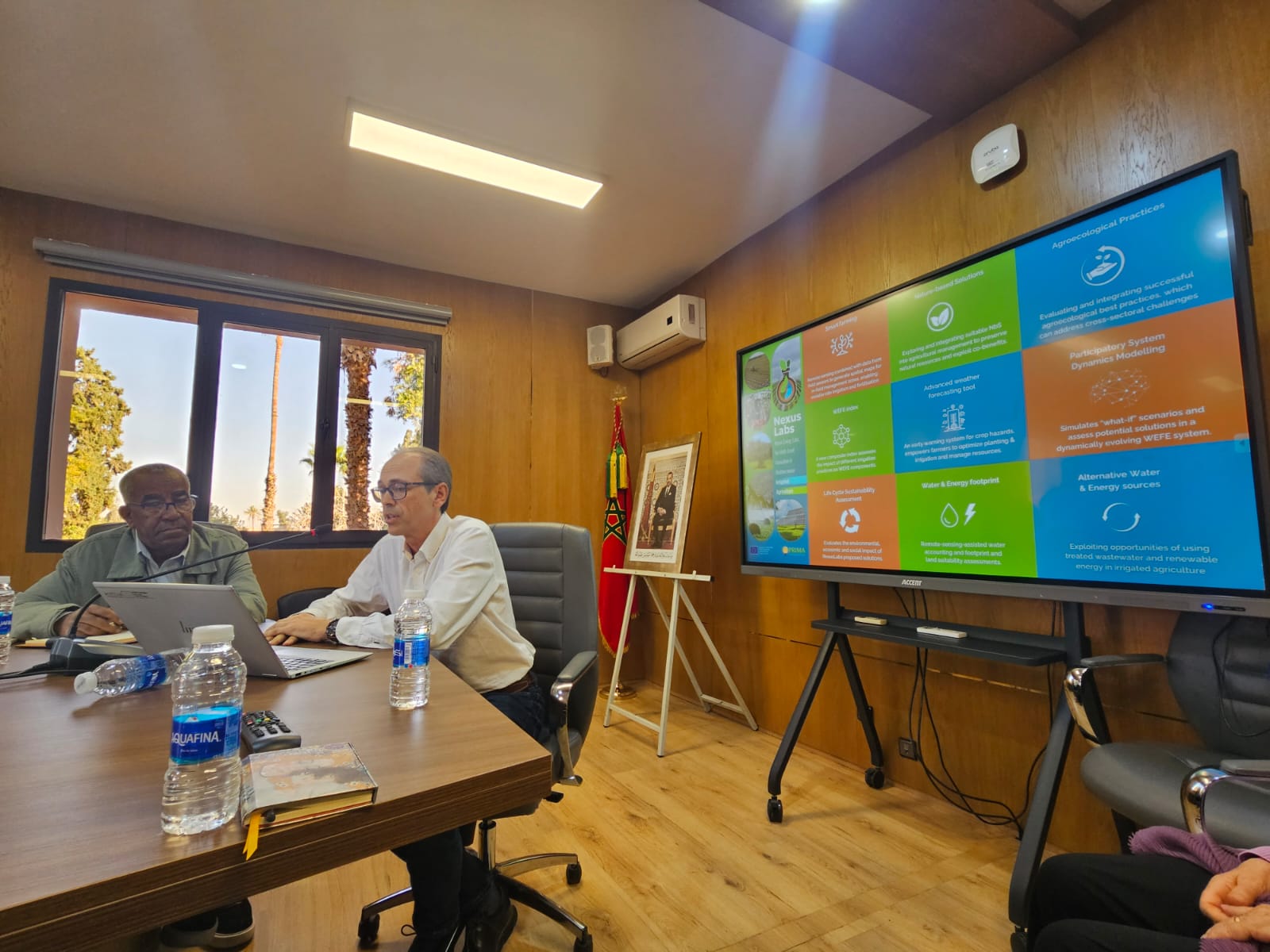
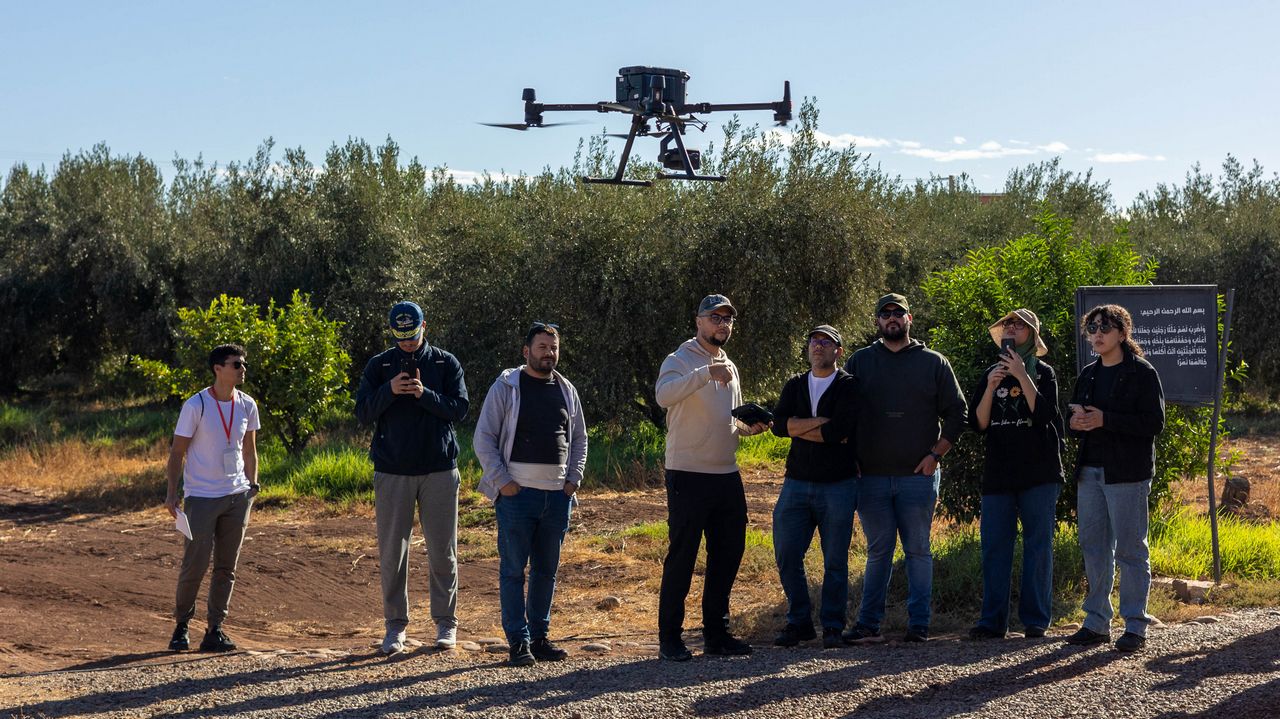
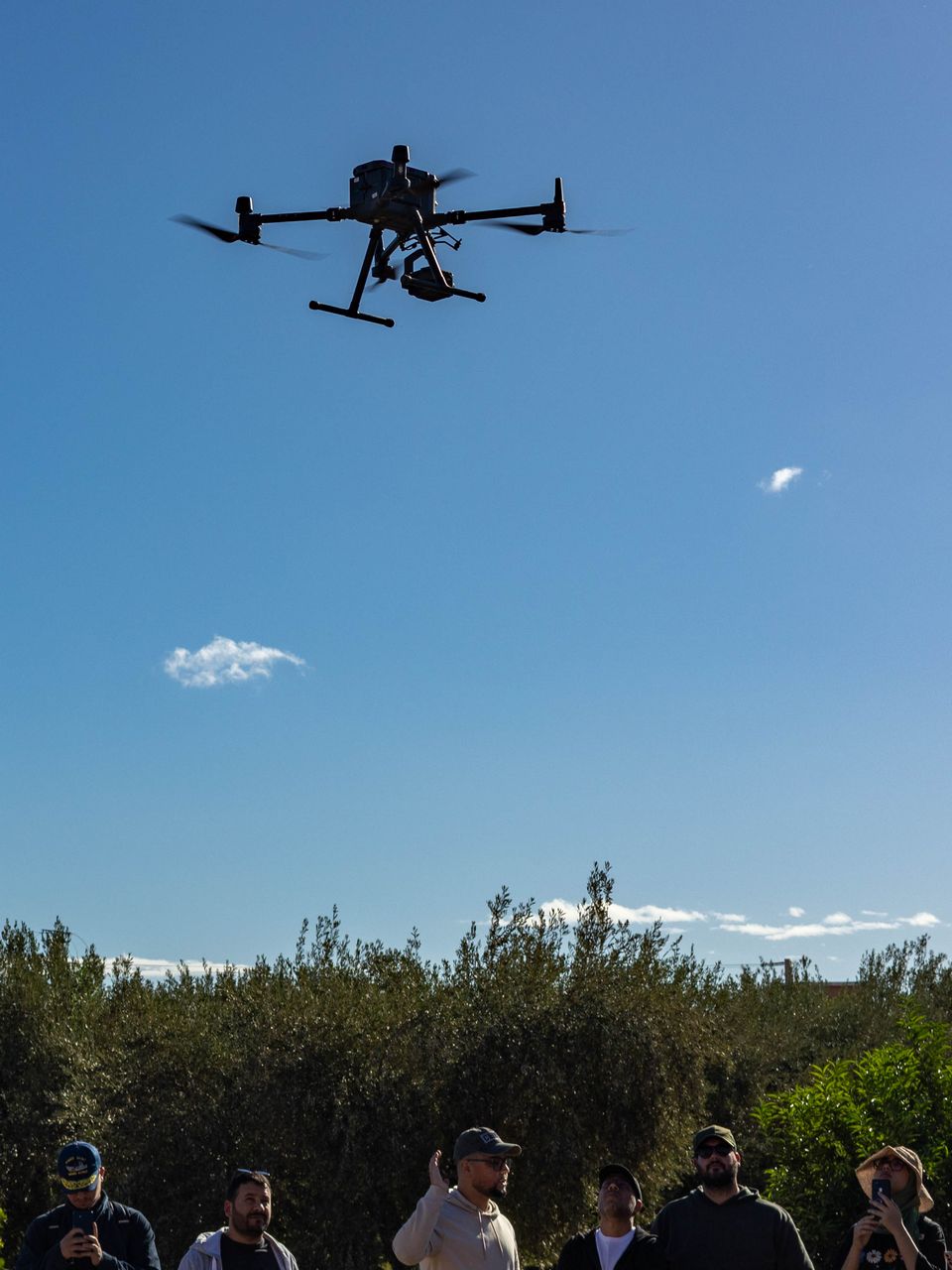
The Living Lab also supports training and capacity building activities, including UAV remote sensing training delivered together with the University of Castilla-La Mancha, combining theory and hands-on field applications for agricultural monitoring.
Early field experience has already generated important lessons. Farmers and irrigation managers have shown strong interest in the monitoring systems once the first data were presented in direct relation to irrigation practices. In several cases, the measurements revealed significant differences between conventional irrigation habits and the actual water needs of the soil, particularly under conditions of over-irrigation.
At the same time, the Living Lab has highlighted several practical challenges linked to sensor reliability under isolated field conditions, unstable GSM connectivity and power supply, long-term maintenance, and building trust in field measurements before farmers fully rely on irrigation recommendations.
One of the clearest lessons so far is that farmers are interested less in the technology itself than in receiving simple, understandable and directly usable information.
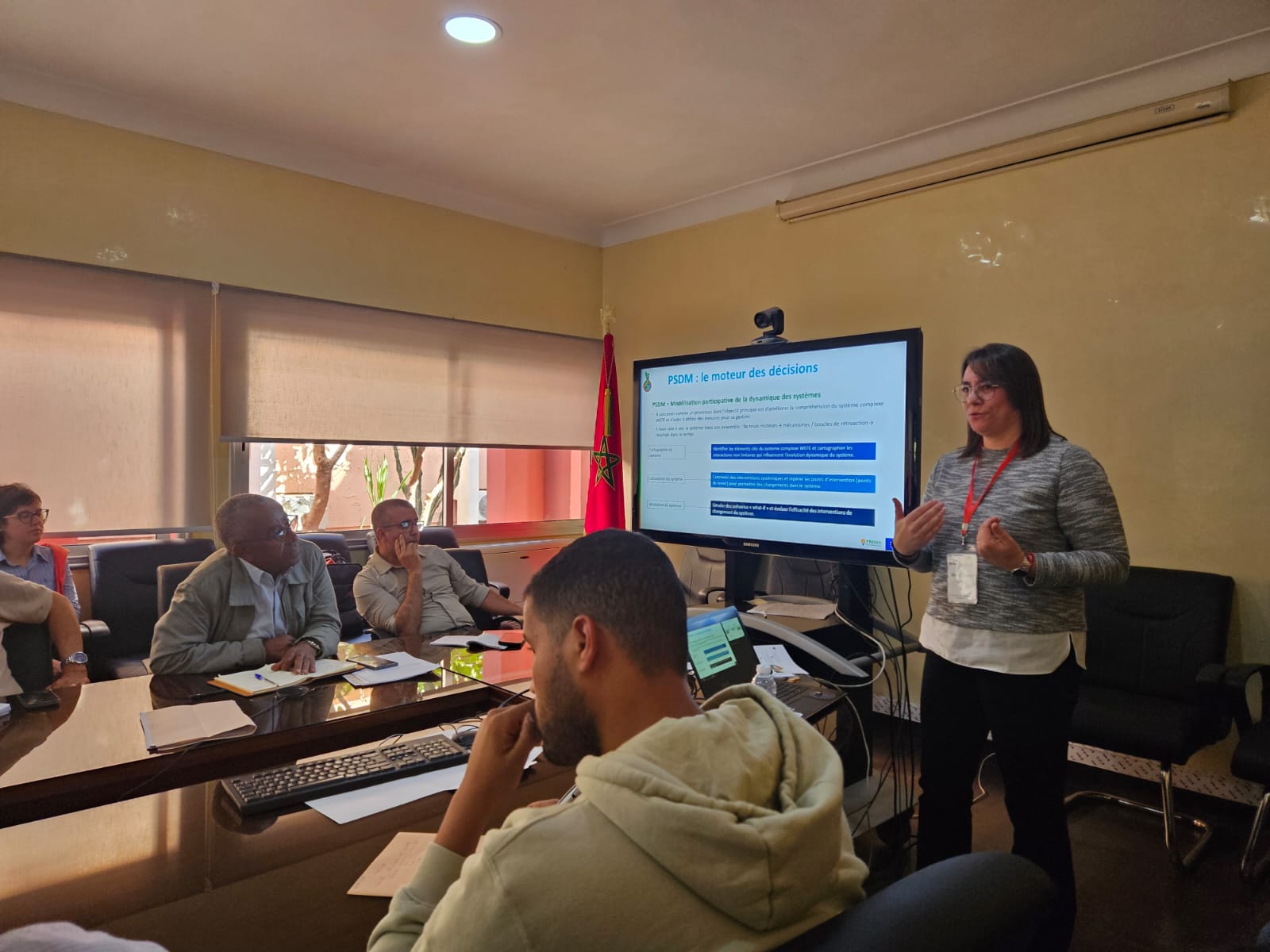
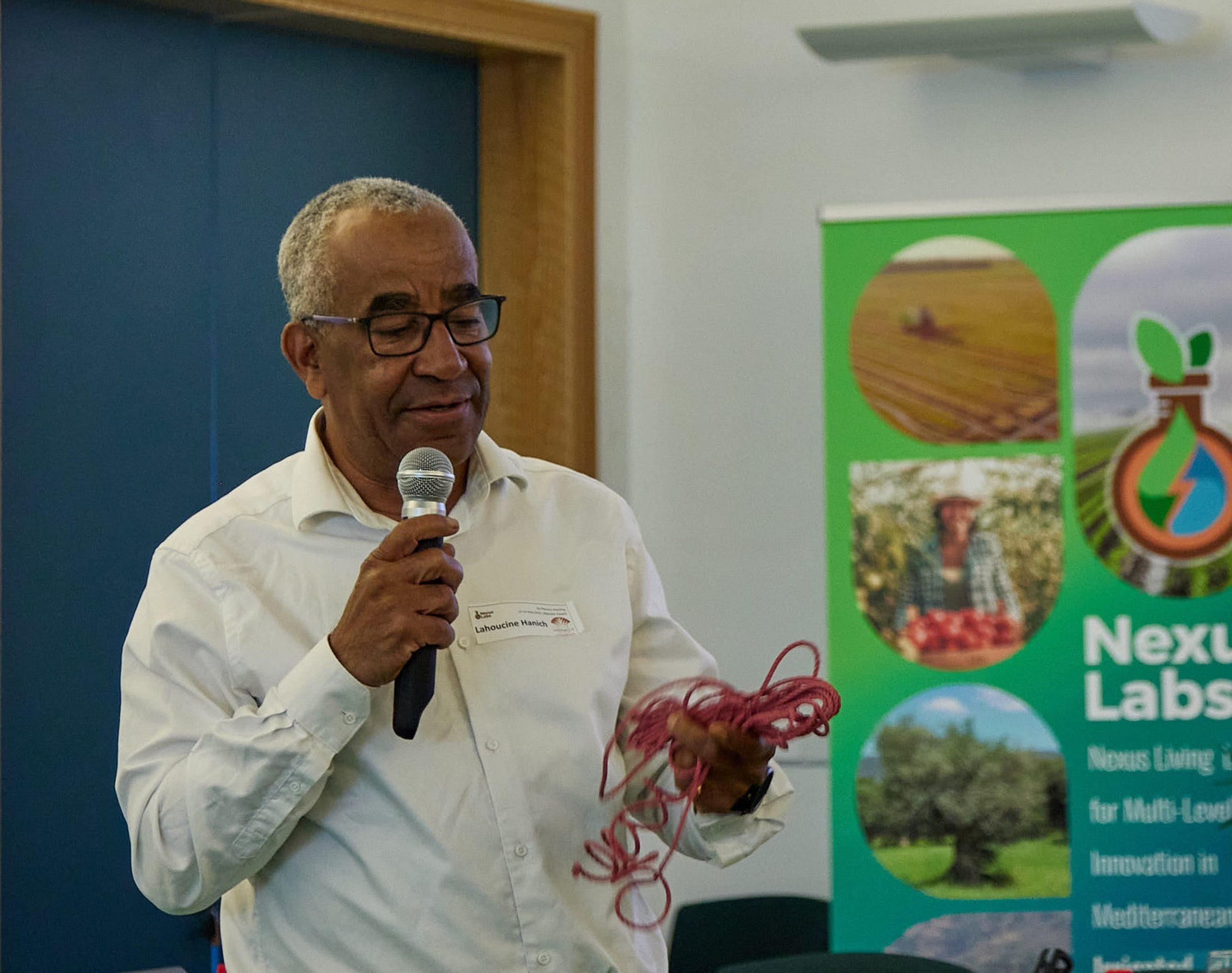
Current activities include expanding the sensor network to additional pilot farms, continuing irrigation and climatic data collection, integrating field observations into modelling and forecasting tools, and developing farmer-oriented platforms for irrigation data sharing and decision support.
The broader goal is to help farmers irrigate more efficiently using affordable monitoring systems and field-validated decision-support tools adapted to semi-arid Mediterranean conditions.
As one of the NexusLabs Mediterranean Living Labs, Tensift provides practical experience on how low-cost monitoring technologies can be deployed, tested and adapted under real farming conditions in water-scarce Mediterranean agriculture.