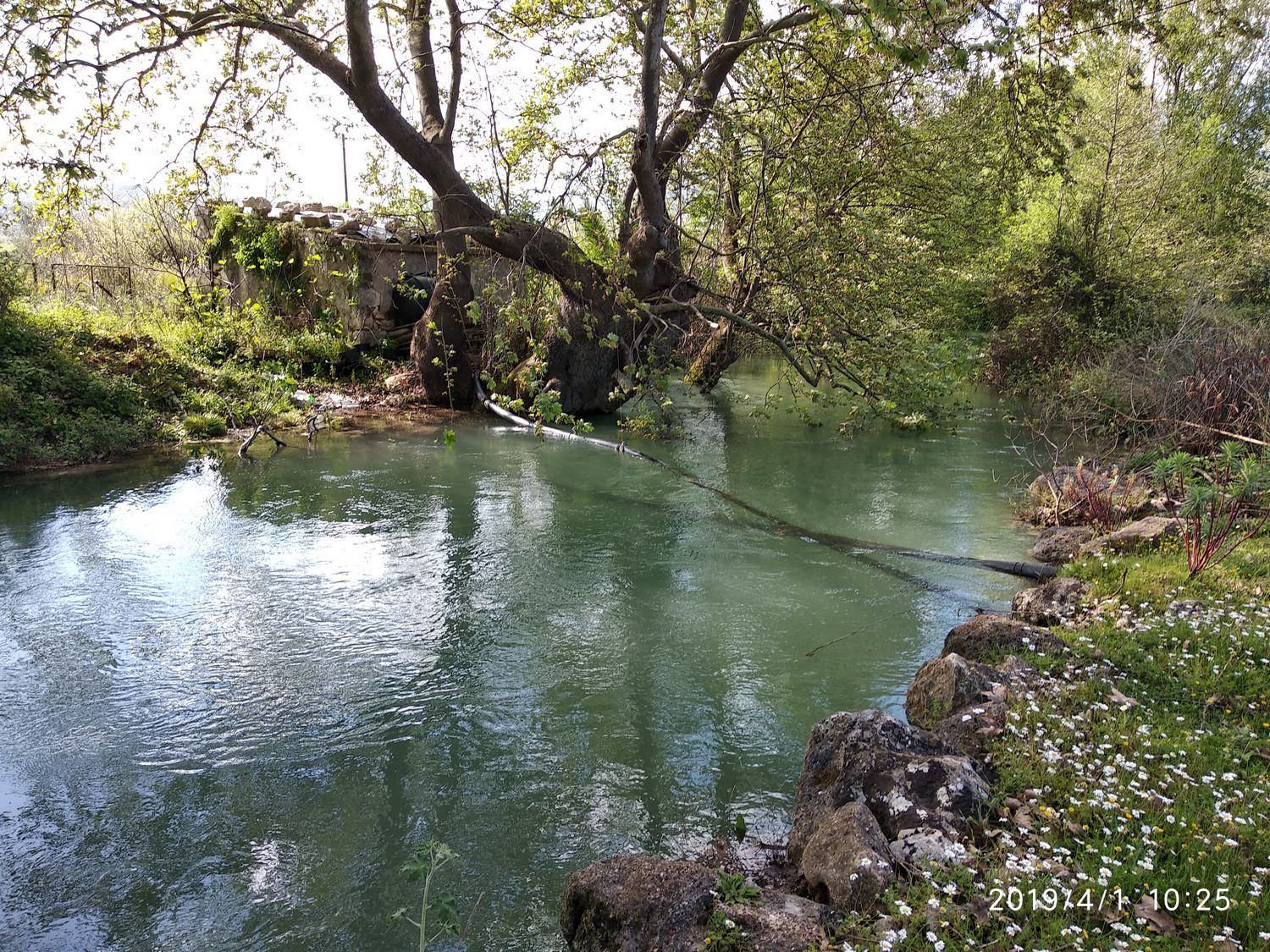
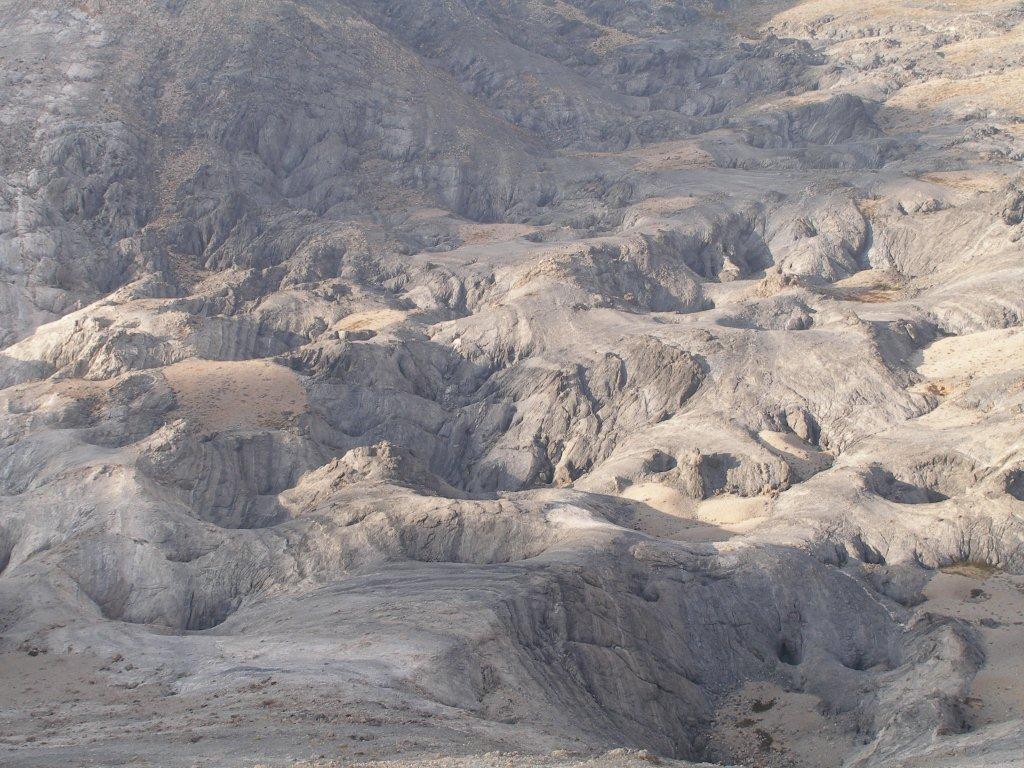
The Koiliaris Living Lab focuses on helping farmers reduce water use while improving soil health, resilience and long-term agricultural sustainability in western Crete.
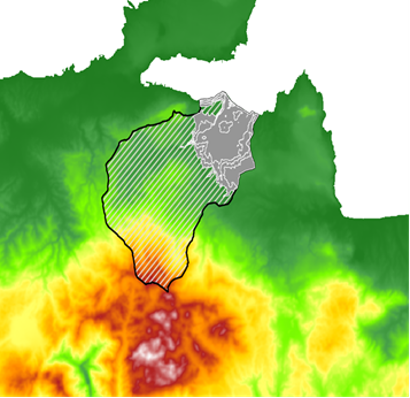
Led by the Technical University of Crete, the Living Lab operates within the Koiliaris Critical Zone Observatory — part of the Greek Long-Term Ecosystem Research (LTER-GR) network. The Living Lab combines smart irrigation, agroecological practices and field-based monitoring to support more efficient and resilient farming systems under increasing climate pressure.
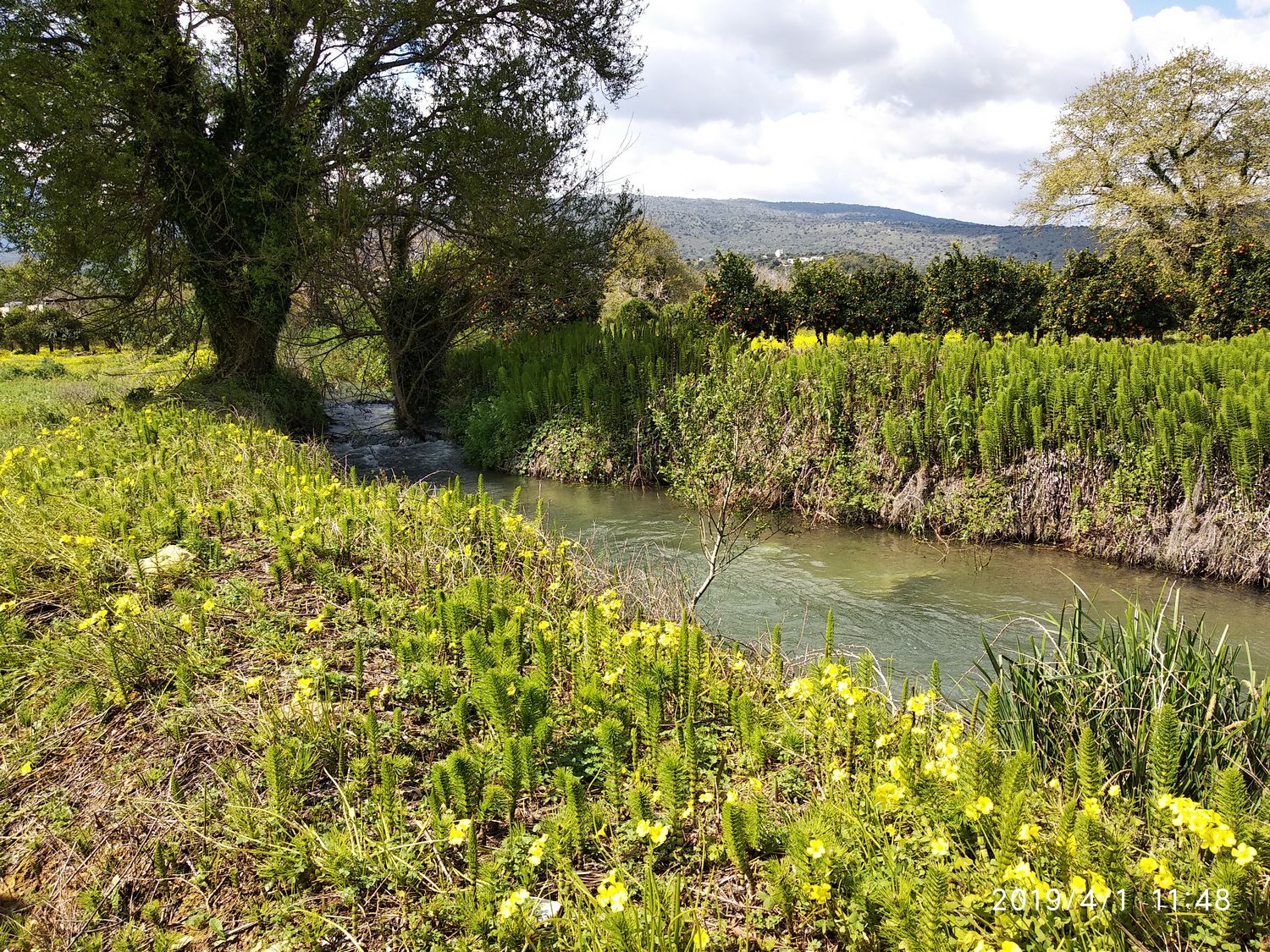
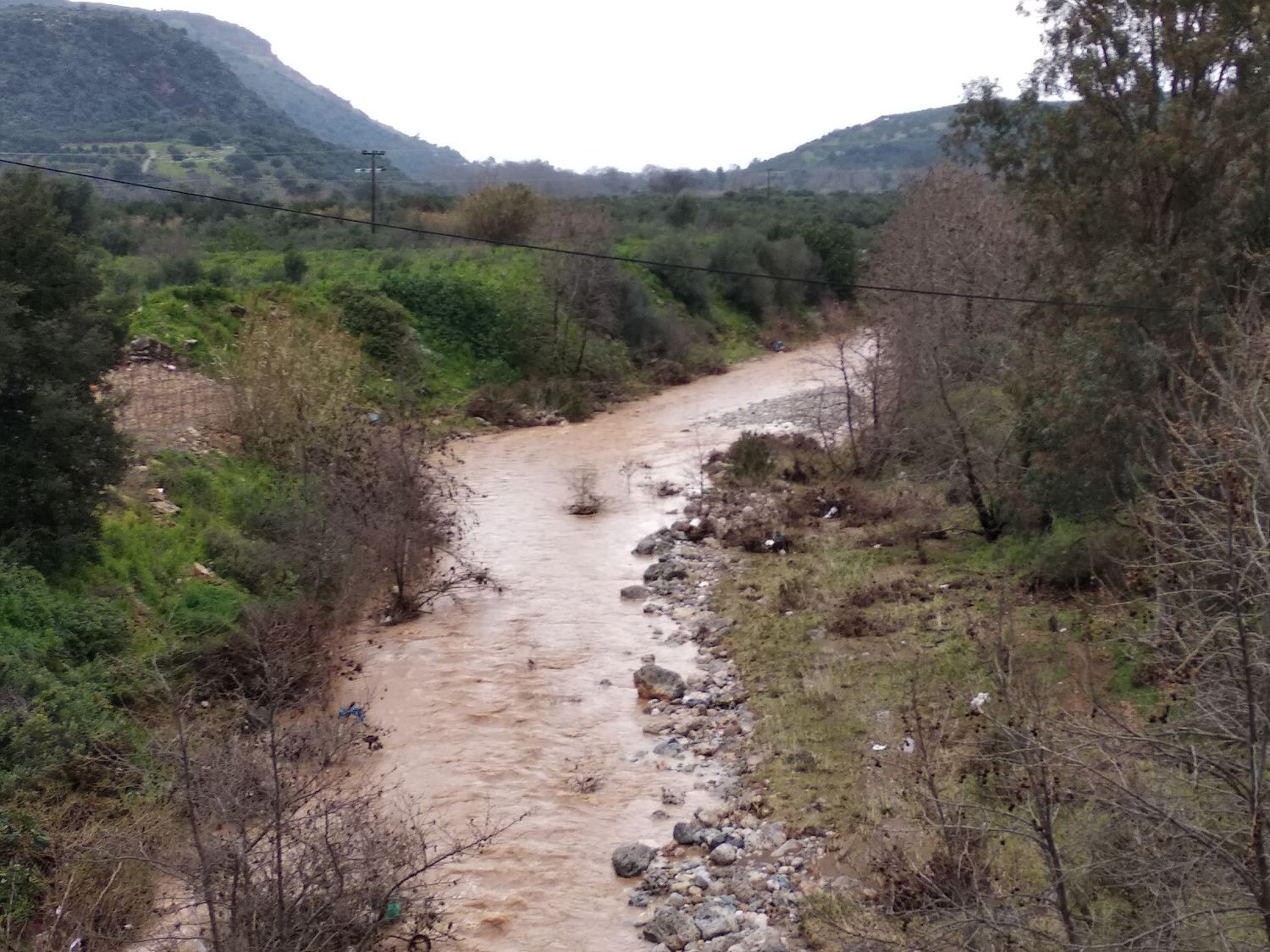
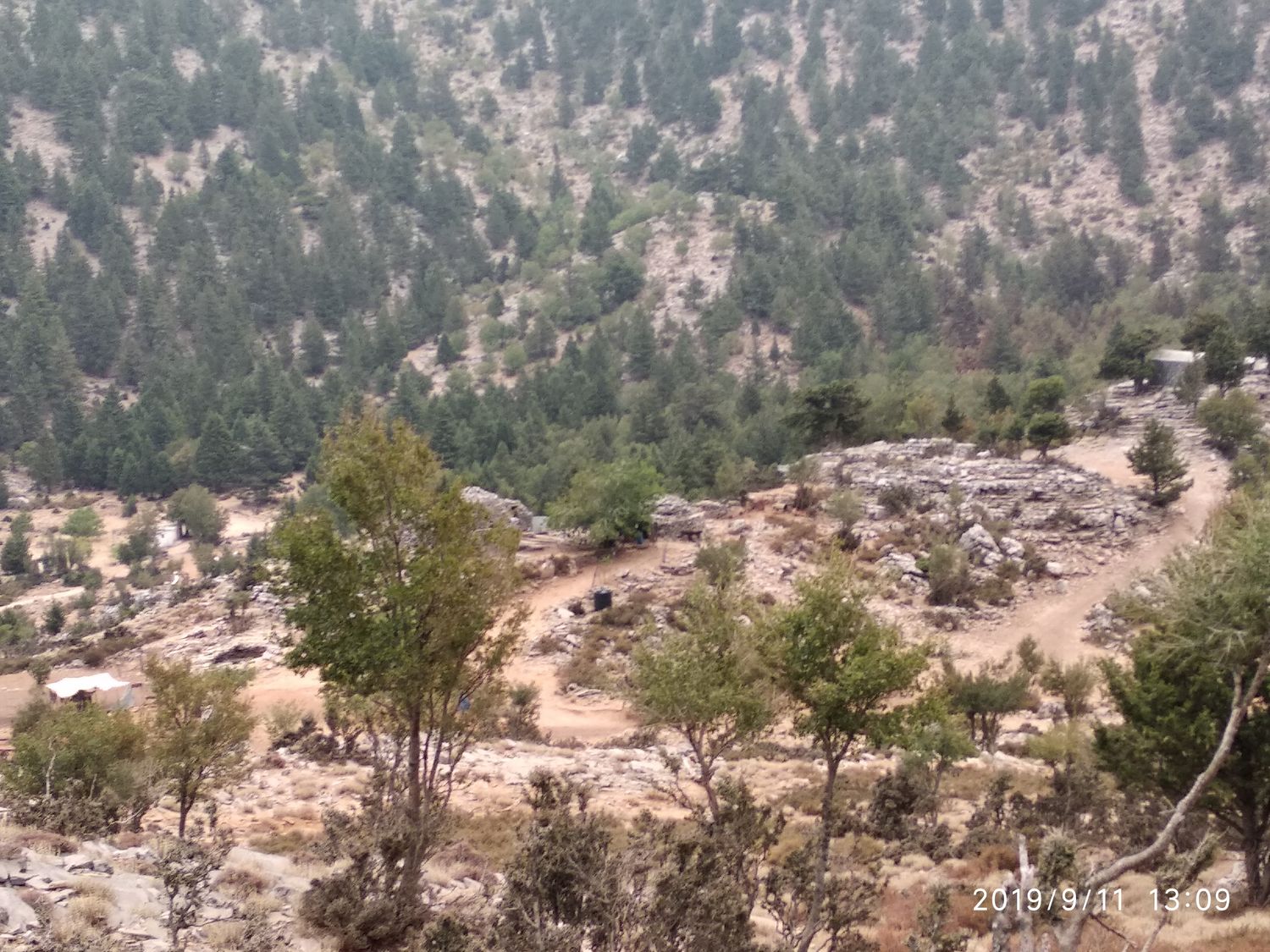
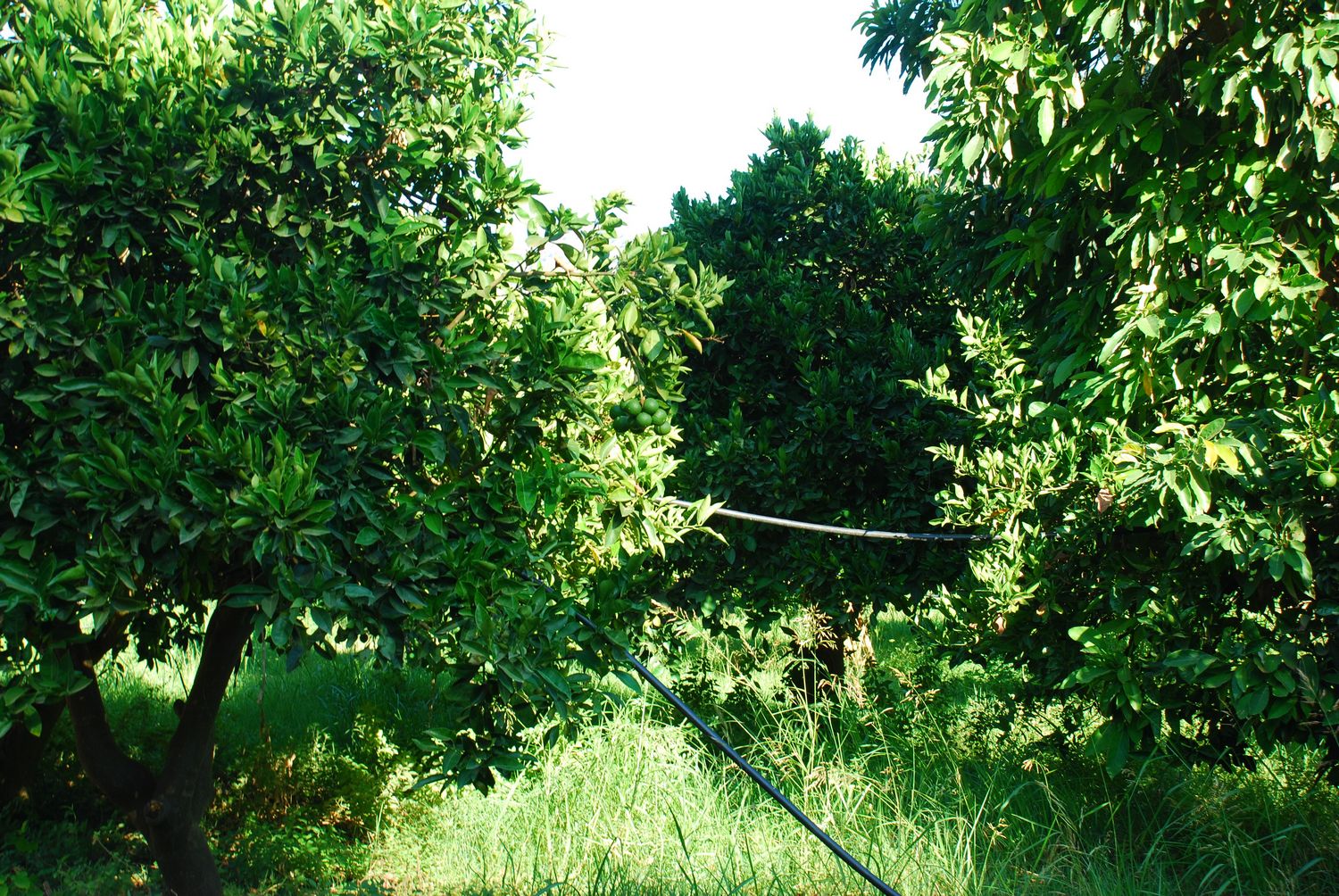
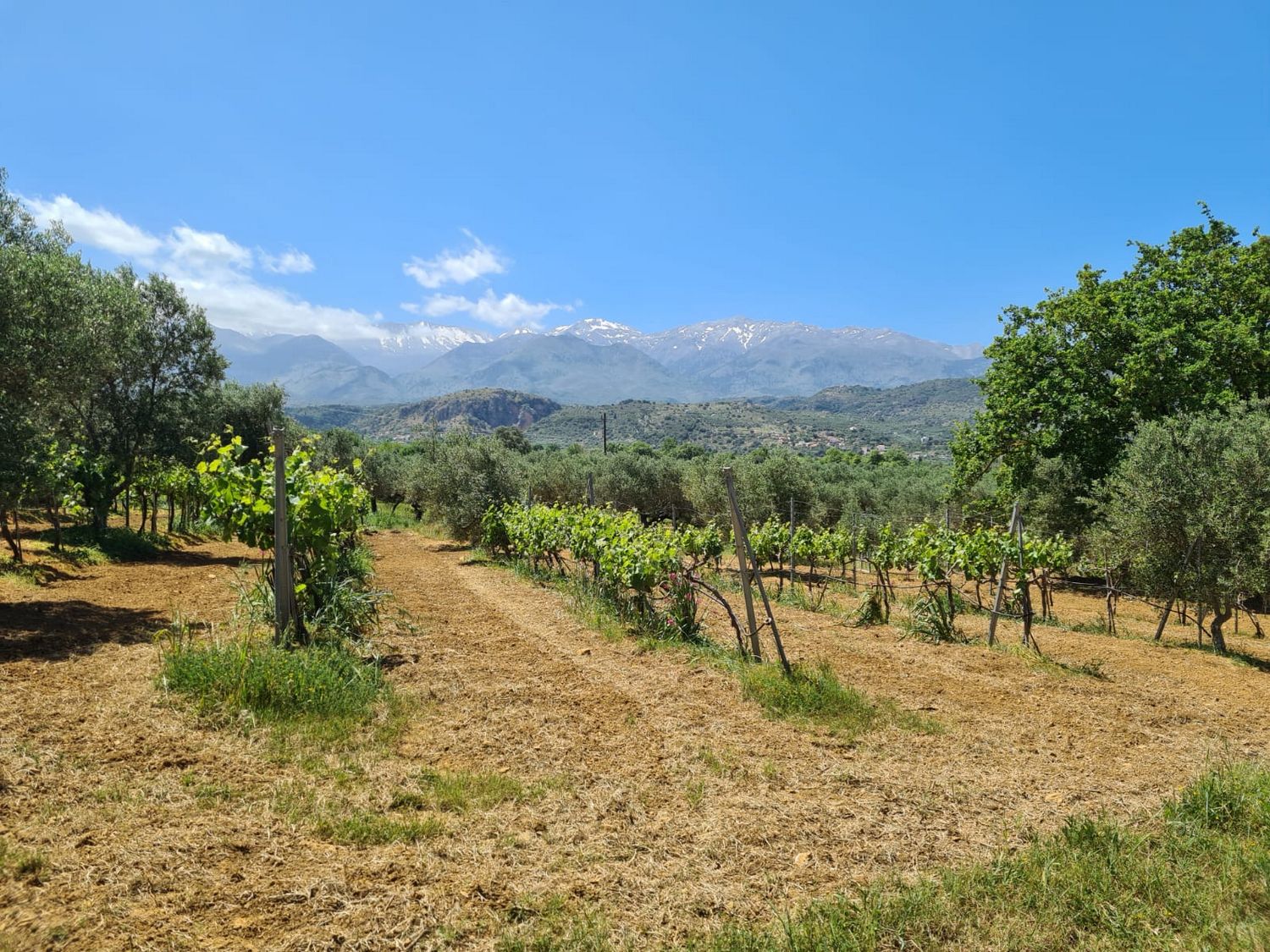
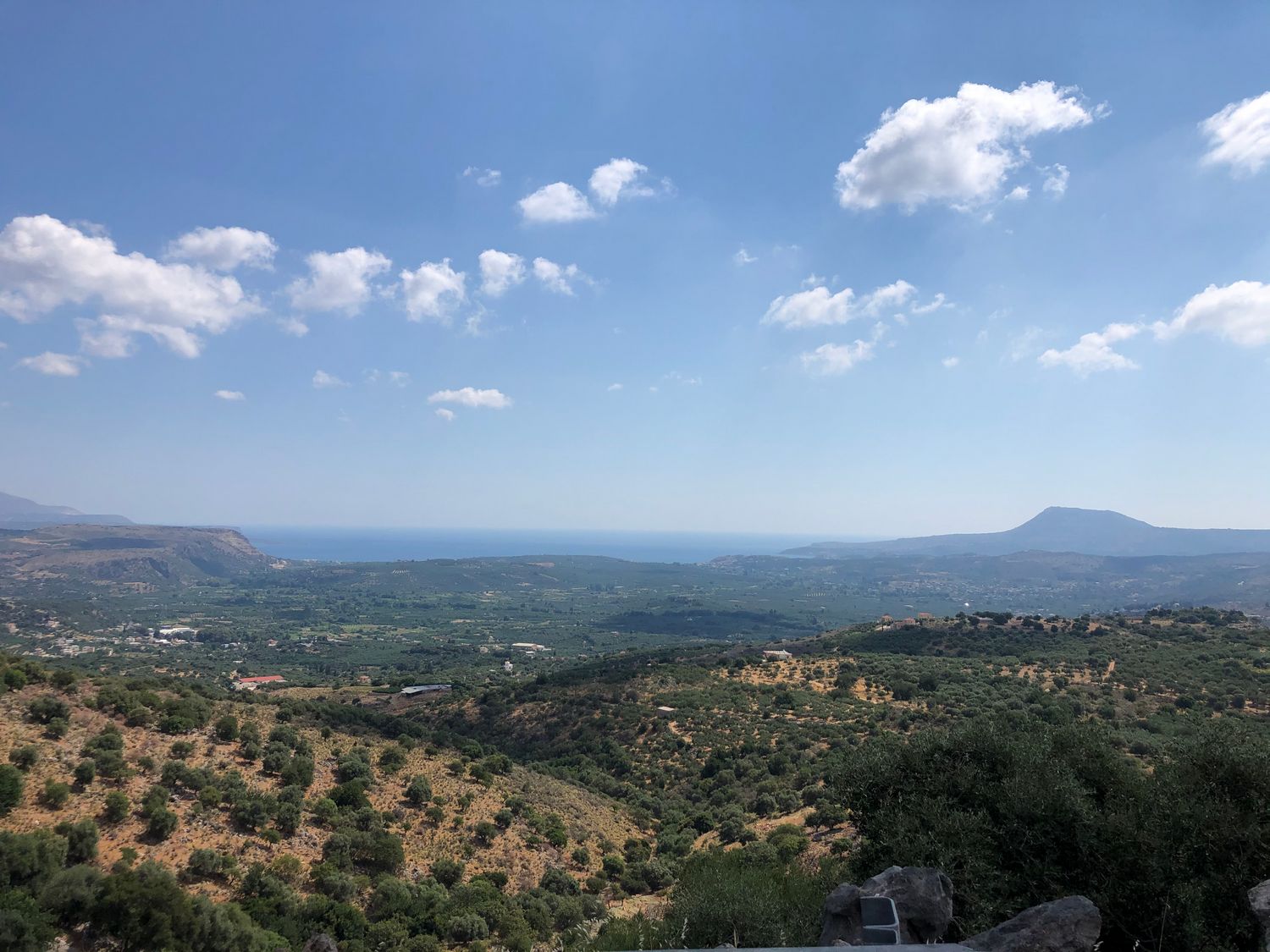
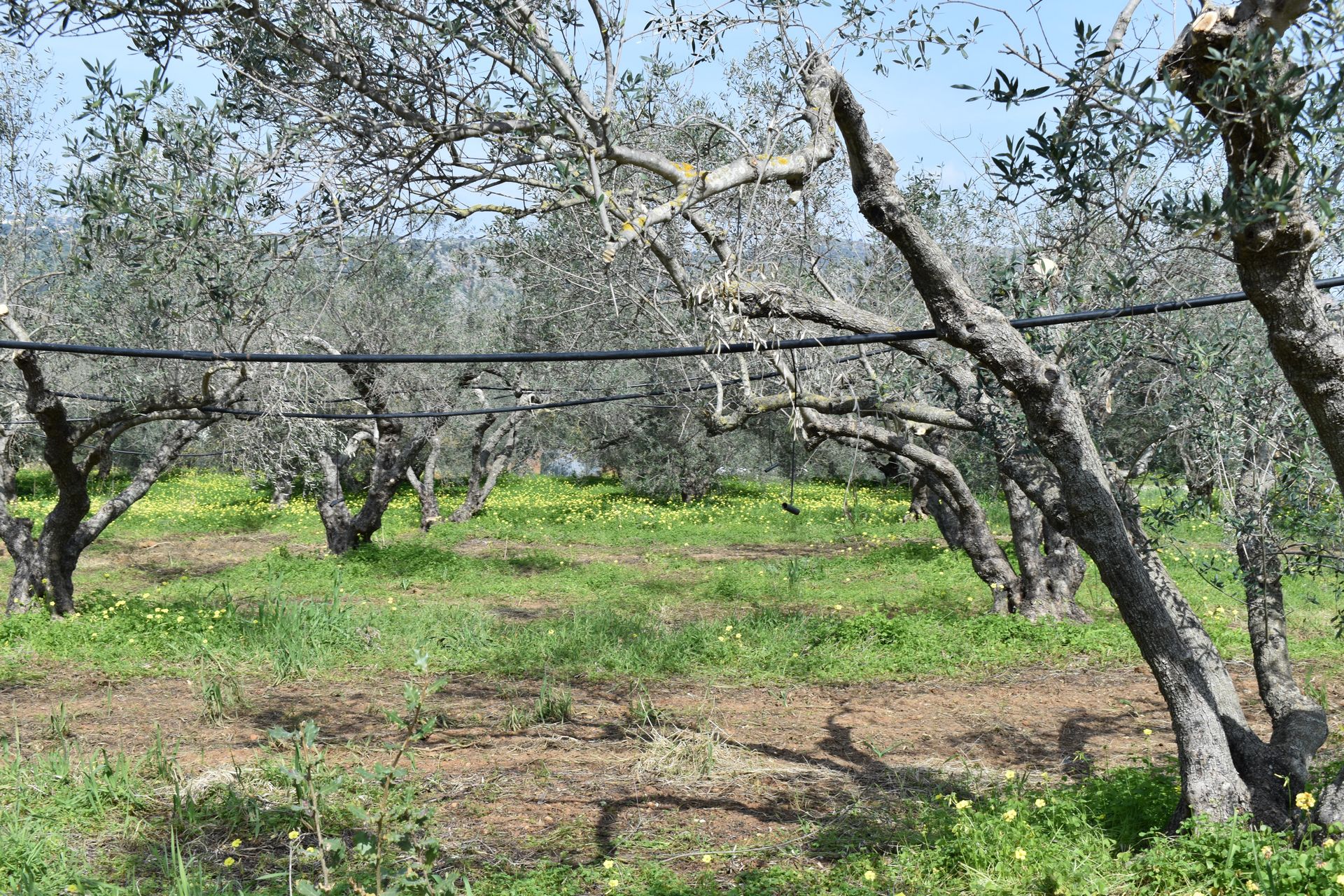
The region is characterised by orchards including olives, citrus, vineyards and avocado cultivation, where groundwater is used almost exclusively for irrigation. At the same time, the basin faces increasing pressure linked to water scarcity, drought conditions, rising irrigation demand and competition between agriculture, tourism and drinking water supply. Additional challenges include fragmented farming structures, lack of agricultural cooperatives and limited farmer training opportunities.
The core objective of the Koiliaris Living Lab is simple but transformative: “Water the tree, not the field.”
To support this transition, the Living Lab is developing the Irrigation Connectivity Hub — an open smart irrigation infrastructure combining soil moisture sensors, flow meters, weather stations and advanced forecasting services.
The approach follows a “Listen-Think-Talk” model.
The system is designed not only to improve irrigation scheduling, but also to make digital irrigation support understandable, practical and scalable under real farming conditions.
achieve a 30–50% reduction in water use,
reduce energy consumption linked to groundwater pumping,
The network is designed as an open infrastructure where additional farmers can progressively connect their own sensors and become part of the wider irrigation support system.
Alongside smart irrigation, the Koiliaris Living Lab demonstrates the role of soil regenerative practices, carbon farming and Nature-based Solutions (NbS) in improving long-term agricultural resilience.
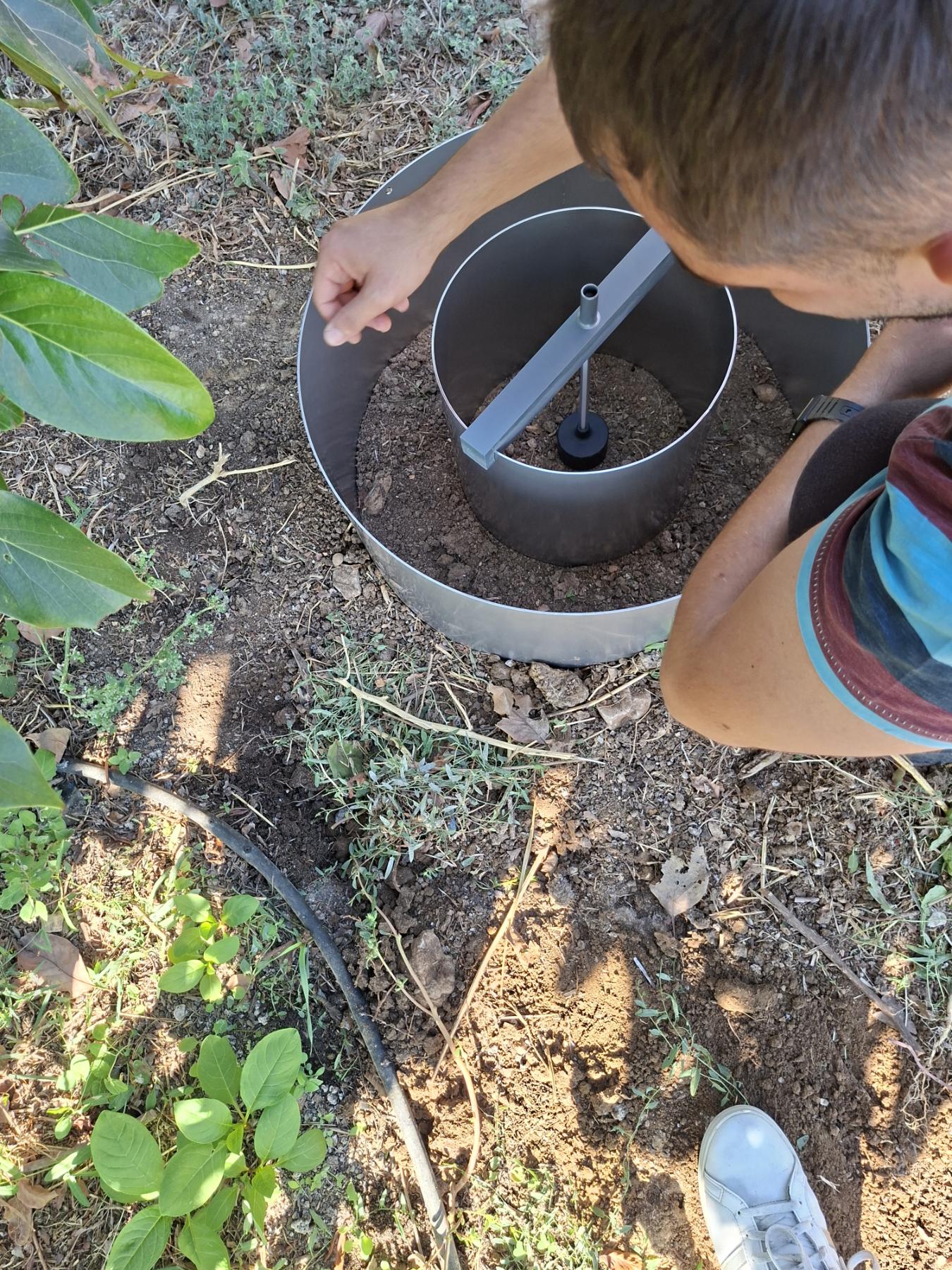
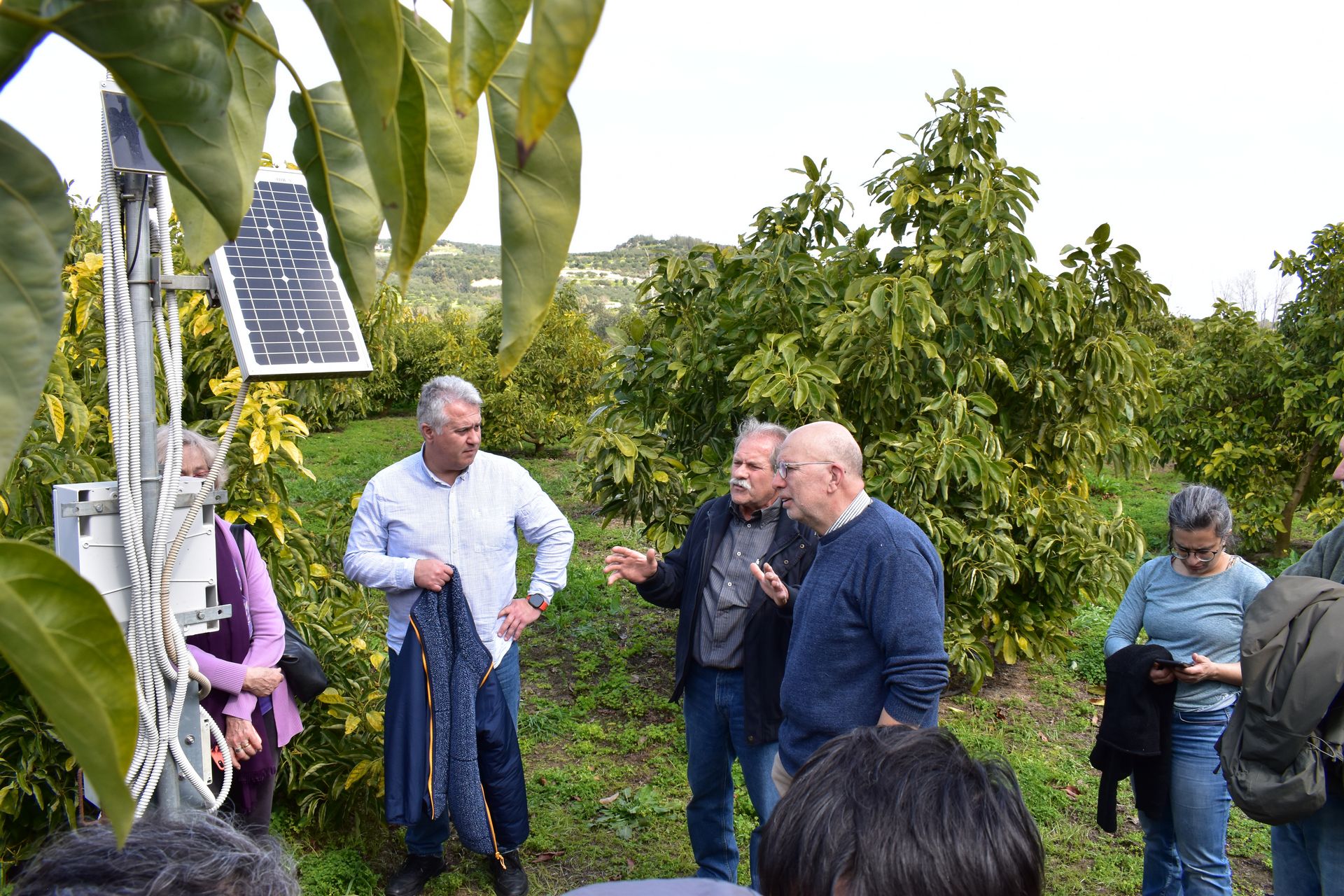
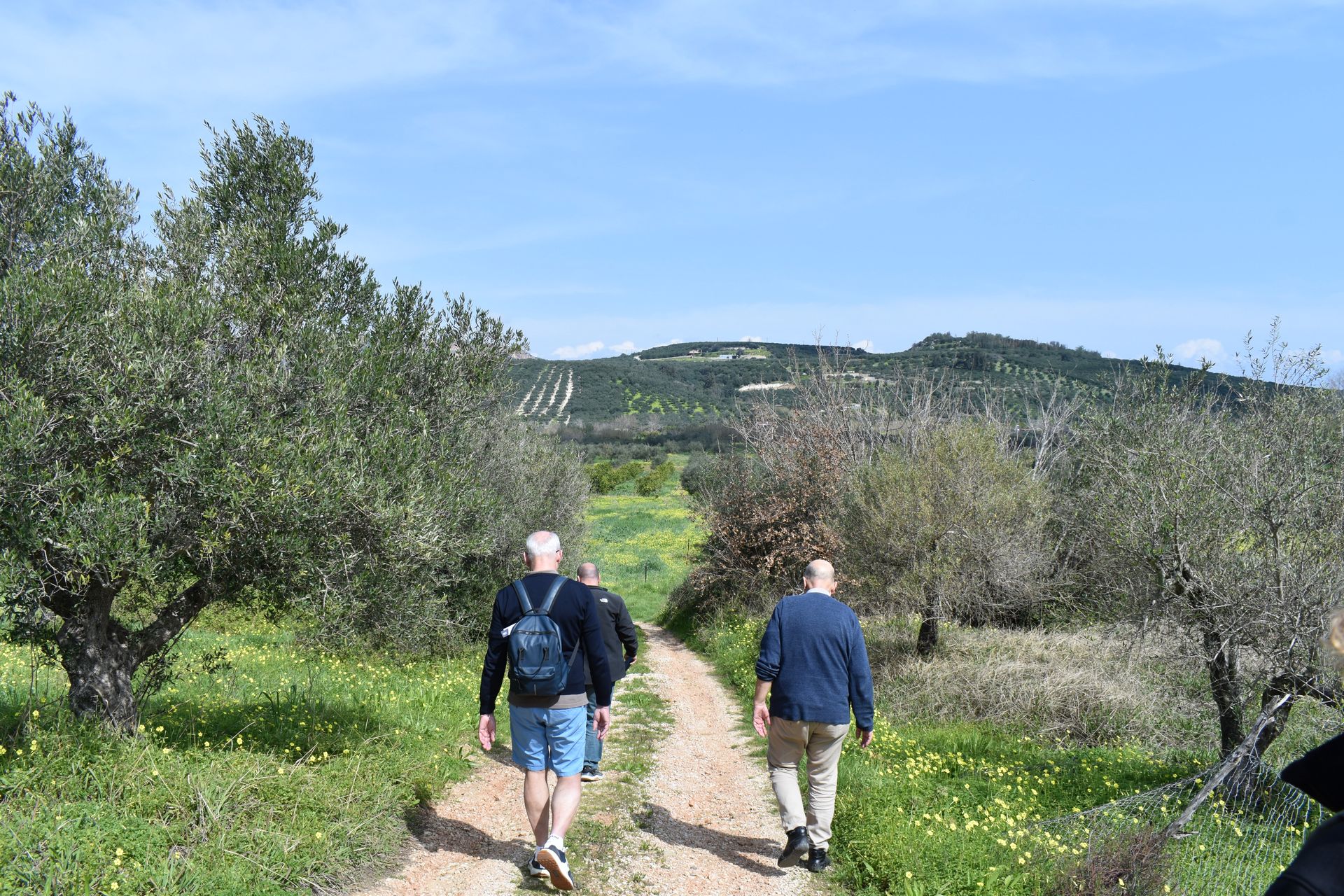
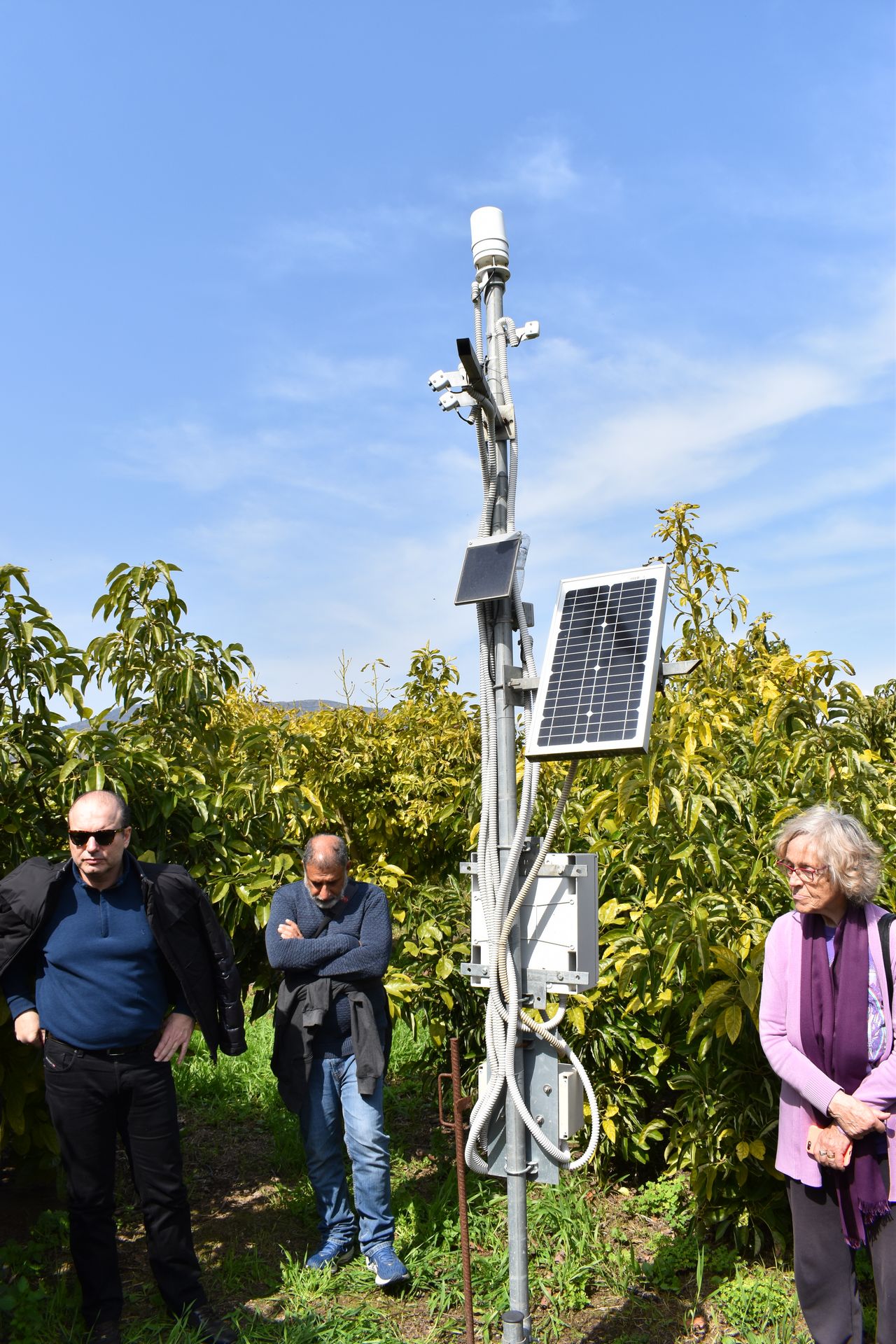
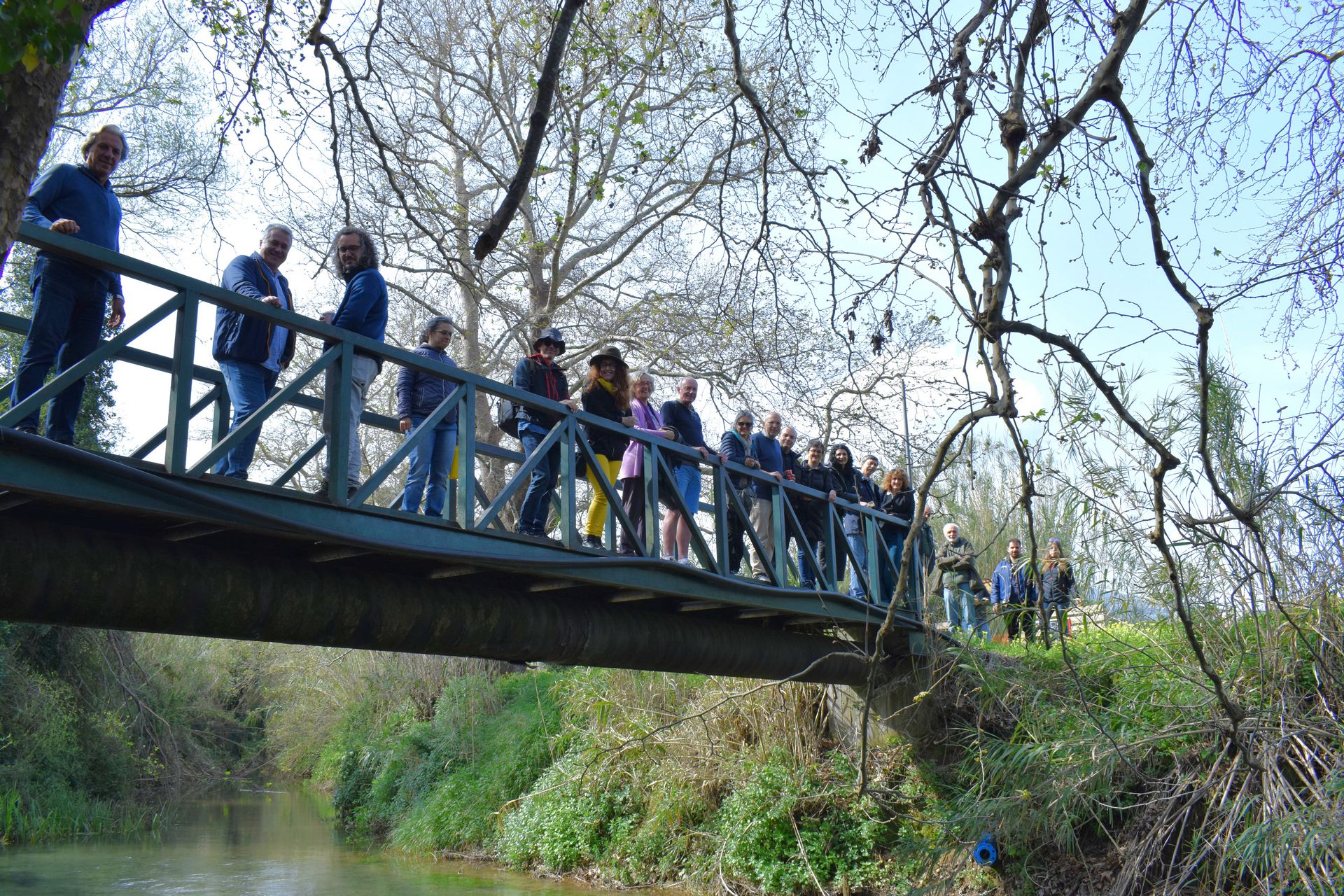
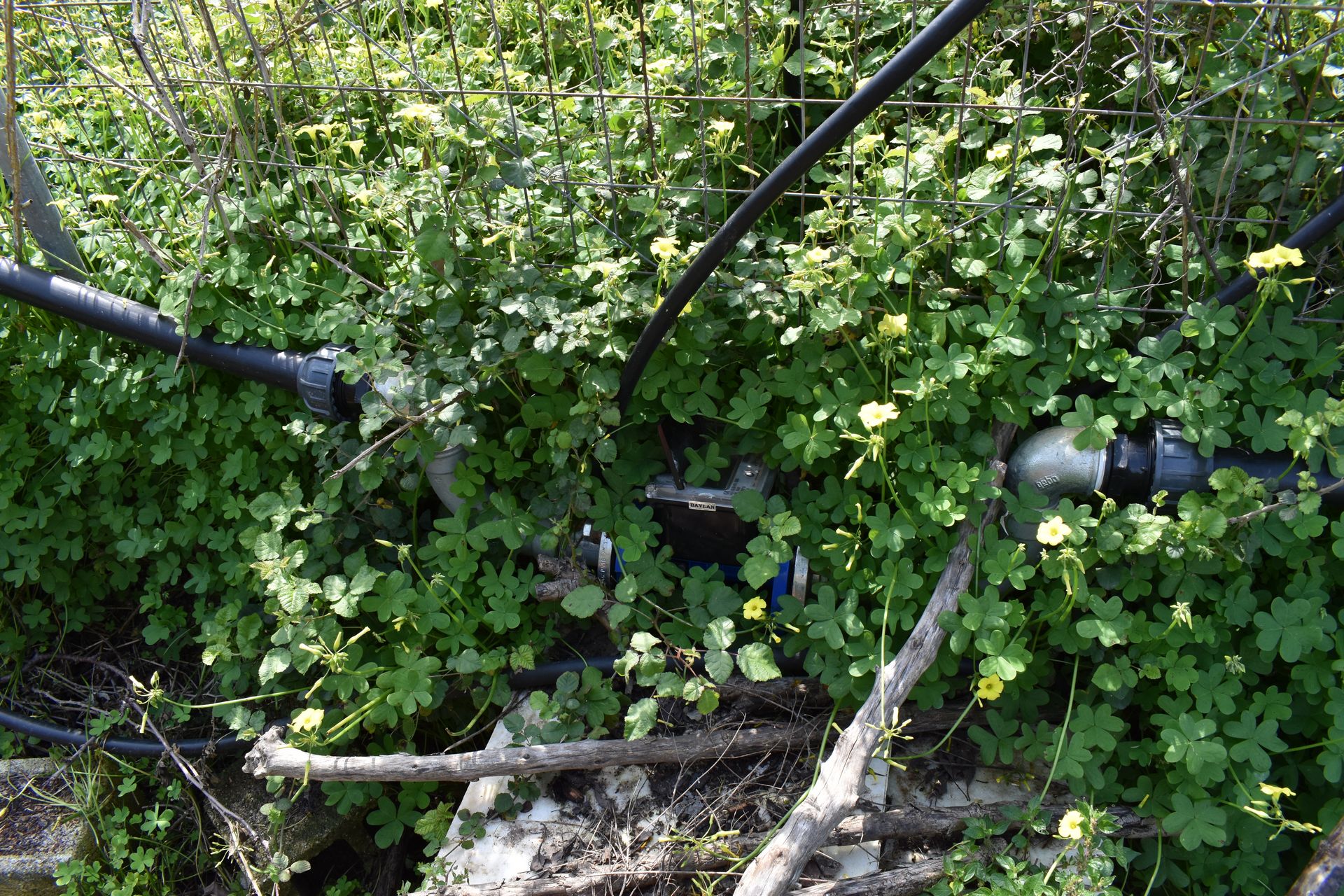
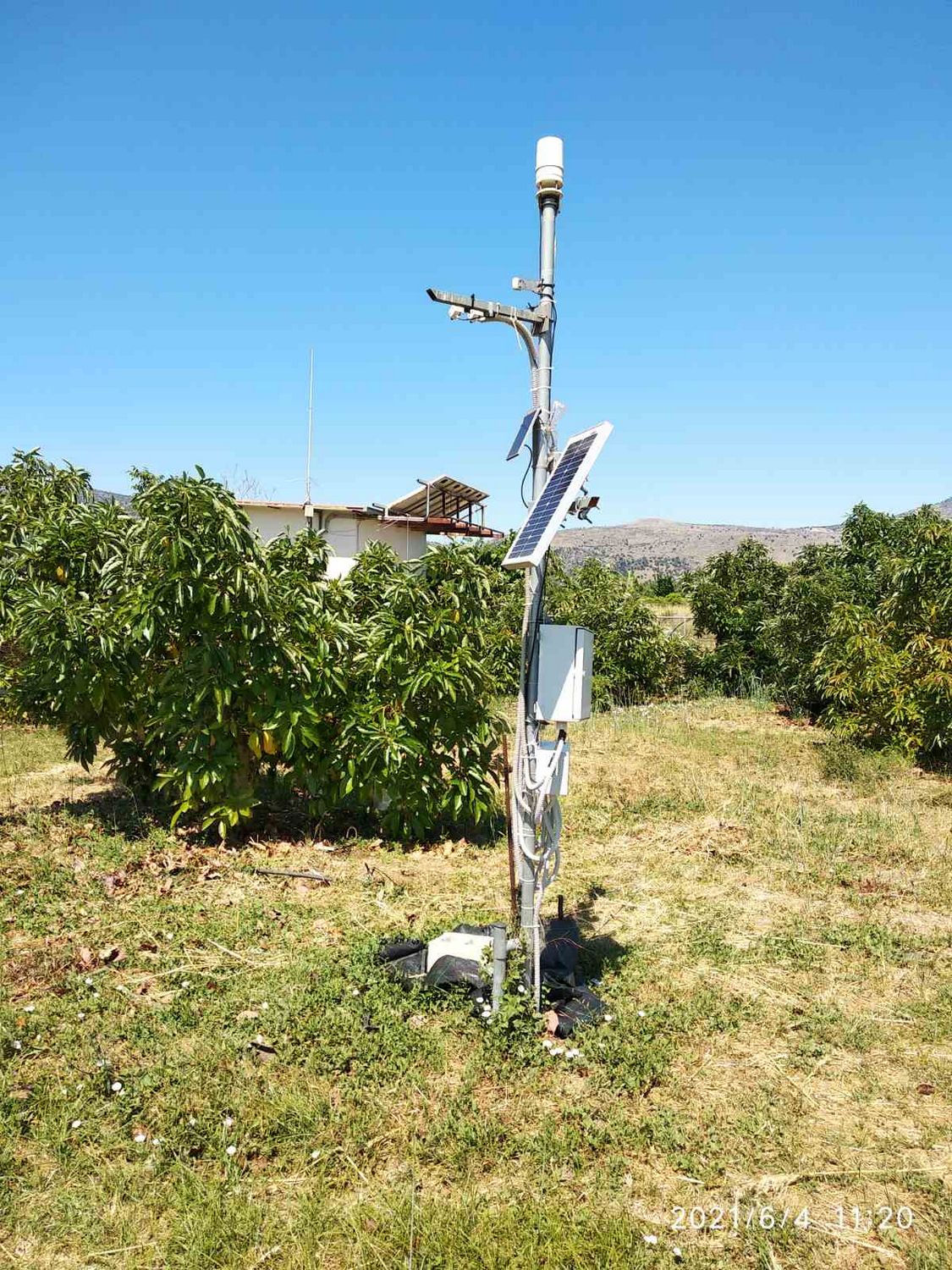
Current activities include soil infiltration experiments, soil organic carbon and nitrogen analysis, assessment of water retention and soil porosity, and evaluation of regenerative practices through field monitoring and cost-benefit analysis.
Results already show how improved soil organic matter can increase porosity and water retention, improve soil structure and fertility, activate beneficial soil microorganisms and strengthen the overall water-fertility-biodiversity balance of agricultural soils.
The Living Lab also explores how regenerative practices and improved irrigation management can support lower pumping requirements, reduced indirect CO₂ emissions and healthier aquifer systems.
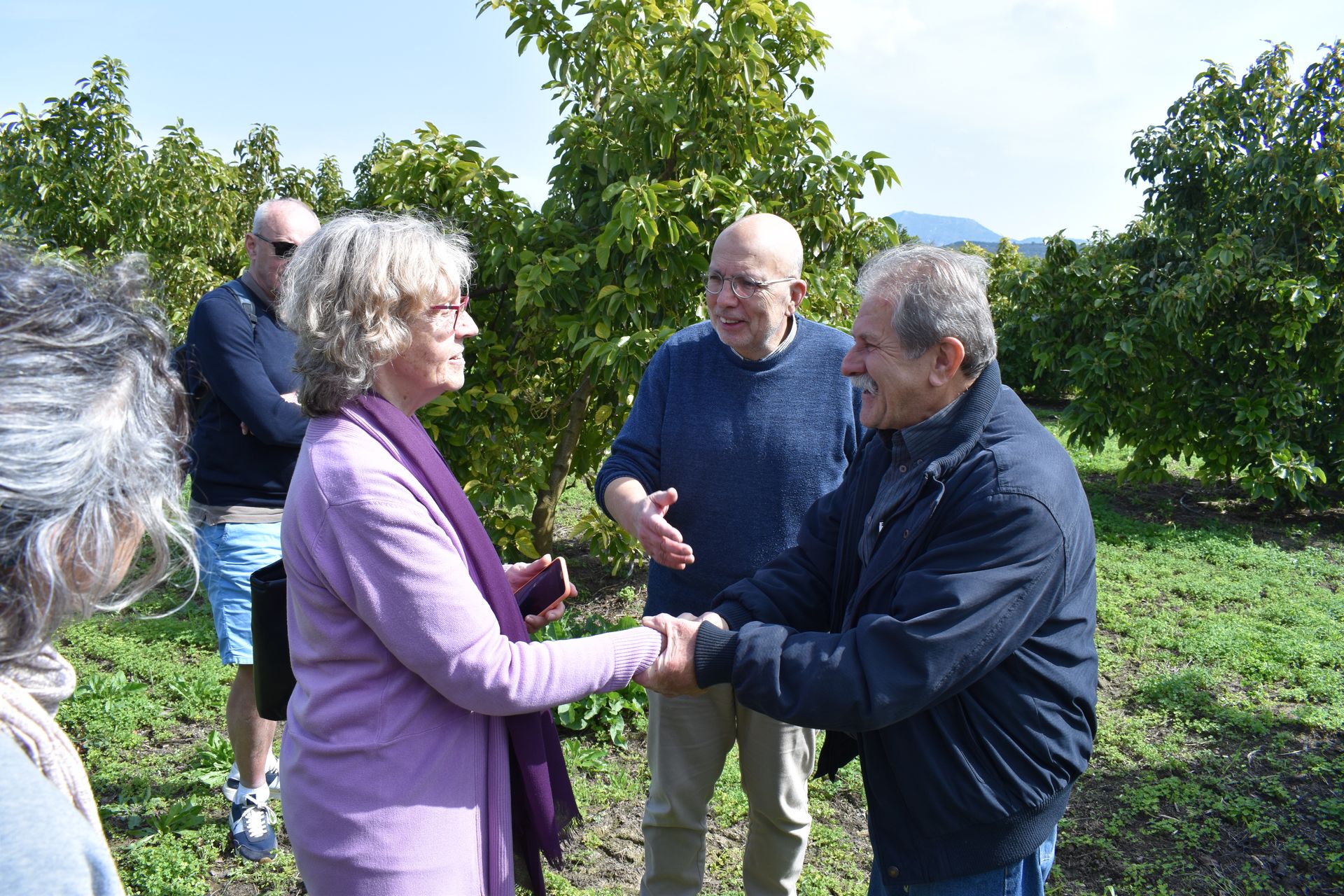
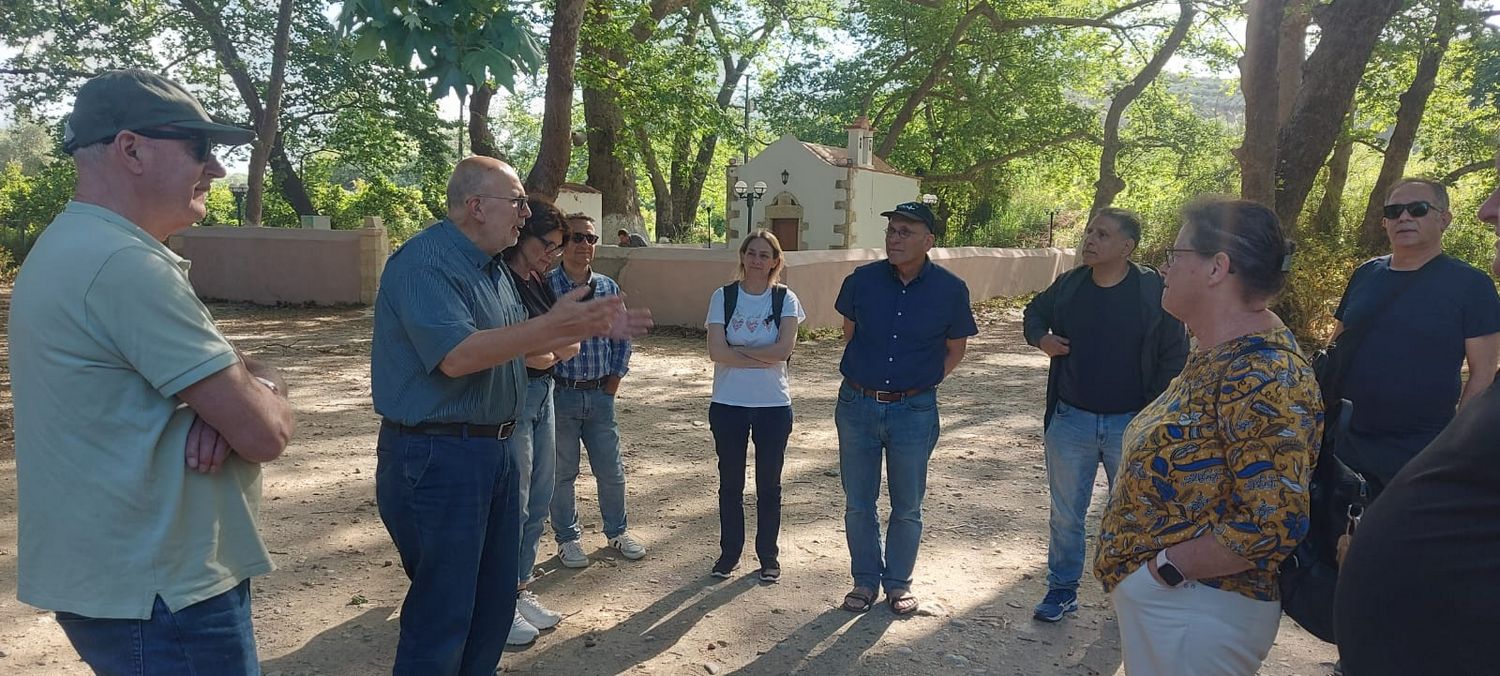
The Koiliaris Living Lab places strong emphasis on long-term farmer engagement and practical usability.
The Living Lab combines field instrumentation and monitoring, farmer meetings and irrigation training, continuous data collection and feedback, and practical guidance on irrigation scheduling and agroecological practices.
Implementation began with a core group of pilot farms equipped with soil moisture sensors and flow meters, while the wider network remains open to additional farmers interested in joining the system.
The Koiliaris Living Lab is designed not only as a research and demonstration site, but as a scalable model for smart irrigation and agroecological transition across Mediterranean agriculture.
By combining IoT infrastructure, advanced weather forecasting, soil regenerative practices and farmer-centred engagement, the Living Lab demonstrates how WEFE Nexus solutions can support both environmental sustainability and farm viability under increasing climate pressure.