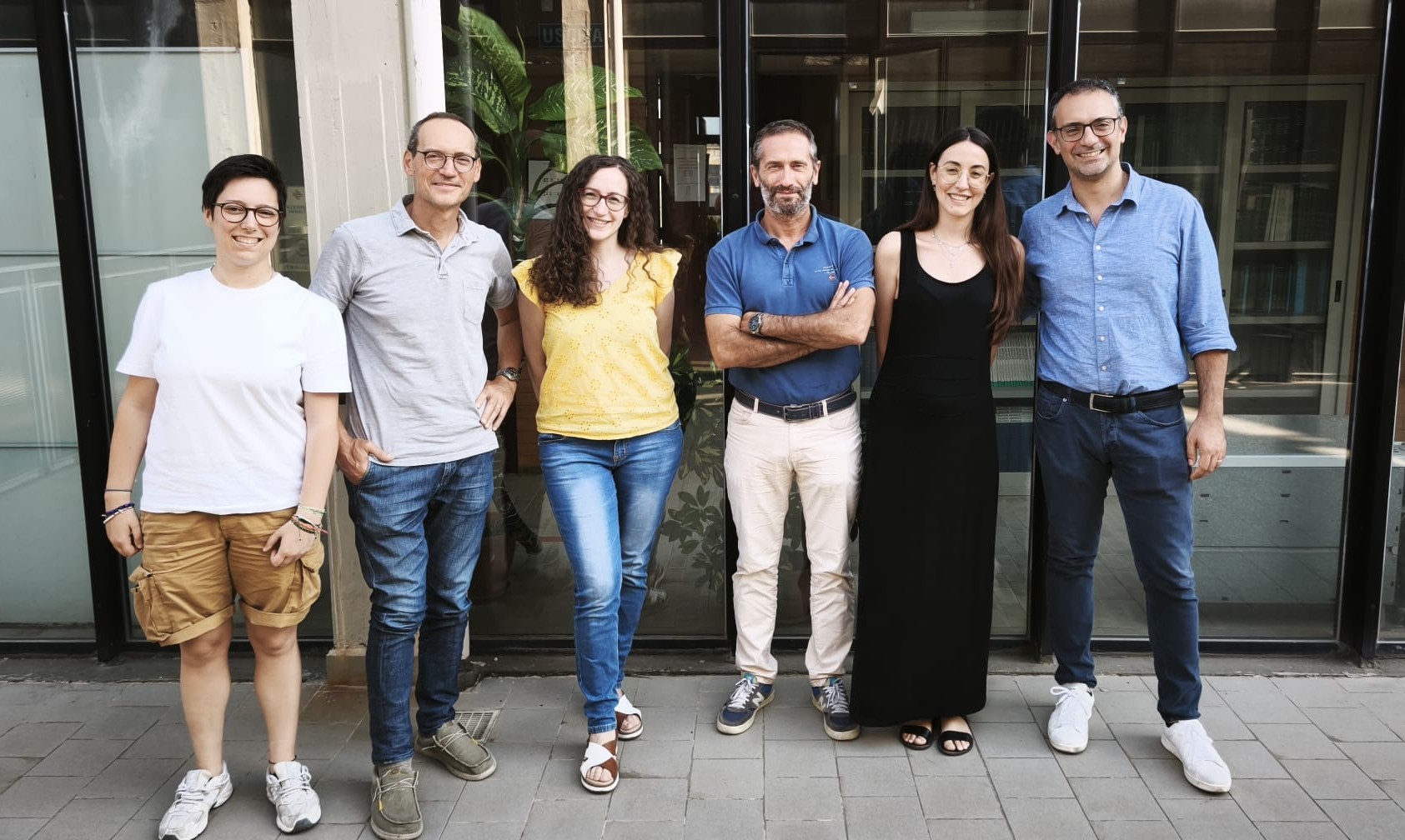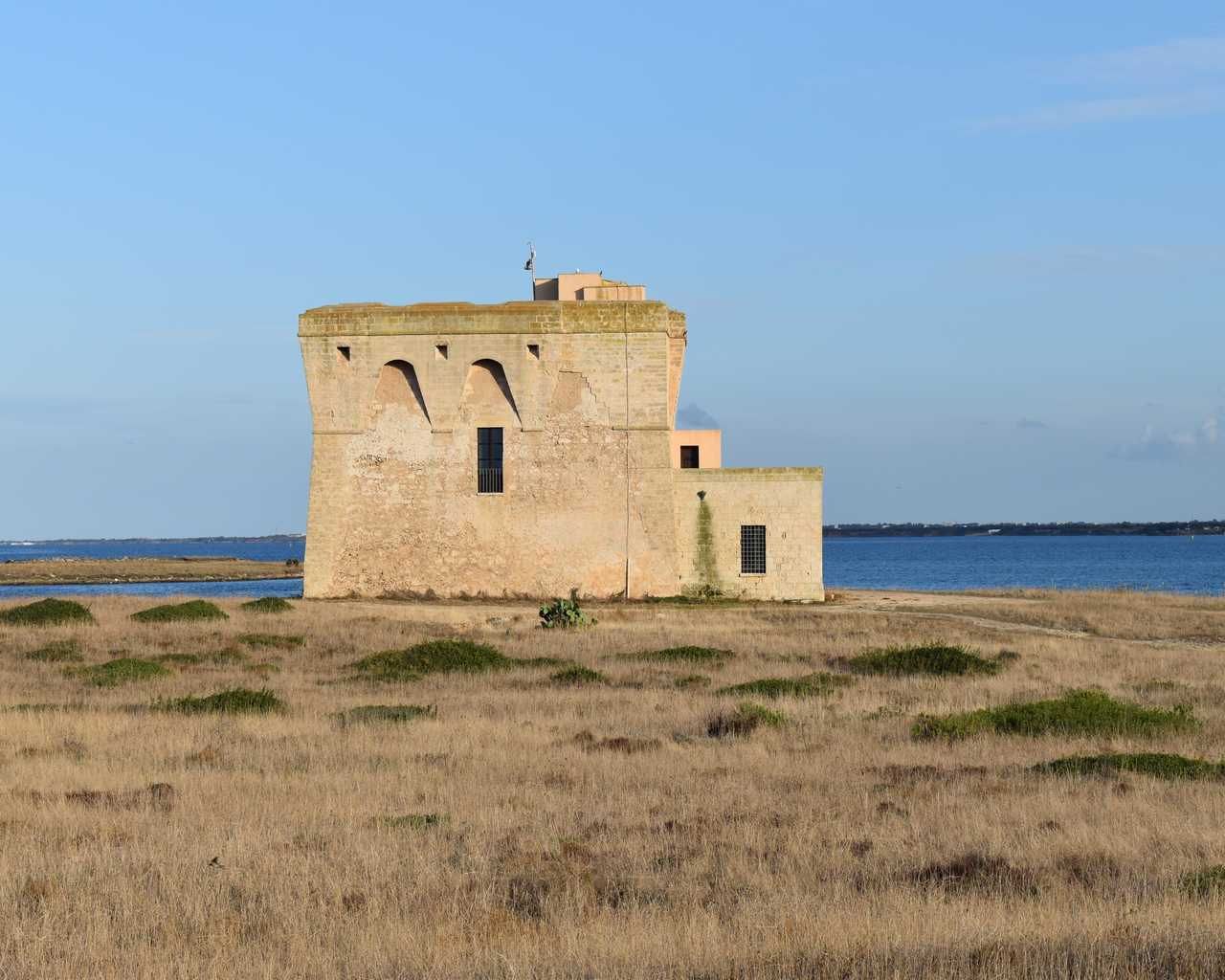
The Torre Guaceto Living Lab focuses on sustainable irrigation, treated wastewater reuse and Nature-based Solutions in one of Southern Italy’s most environmentally sensitive agricultural areas.
Led by CNR-Istituto di Ricerca sulle Acque together with the Consorzio di Gestione di Torre Guaceto, the Living Lab operates within and around the Torre Guaceto protected coastal wetland system, a RAMSAR site where agriculture, groundwater management and ecosystem conservation are tightly interconnected.
The Torre Guaceto Living Lab focuses on sustainable irrigation, treated wastewater reuse and Nature-based Solutions in one of Southern Italy’s most environmentally sensitive agricultural areas.
Led by CNR-Istituto di Ricerca sulle Acque together with the Consorzio di Gestione di Torre Guaceto, the Living Lab operates within and around the Torre Guaceto protected coastal wetland system, a RAMSAR site where agriculture, groundwater management and ecosystem conservation are tightly interconnected.
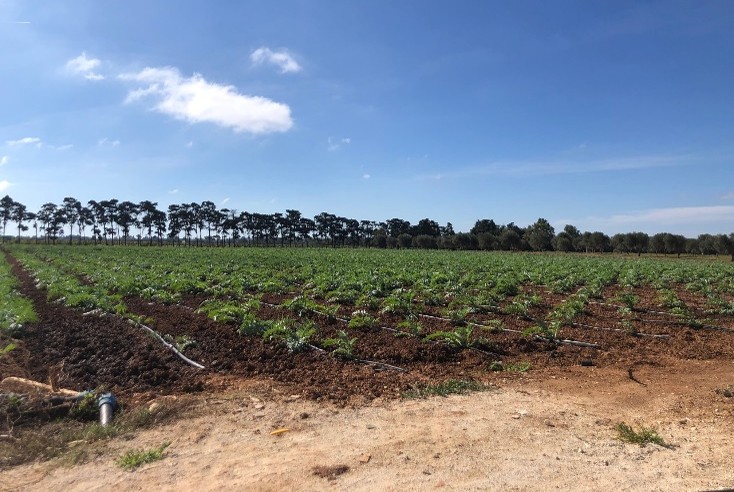
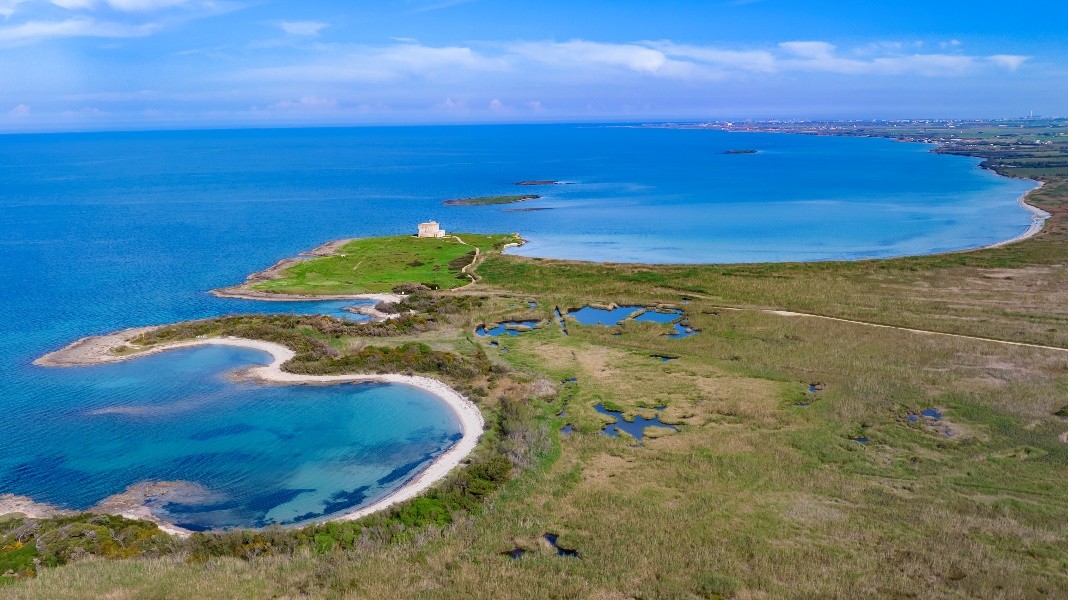
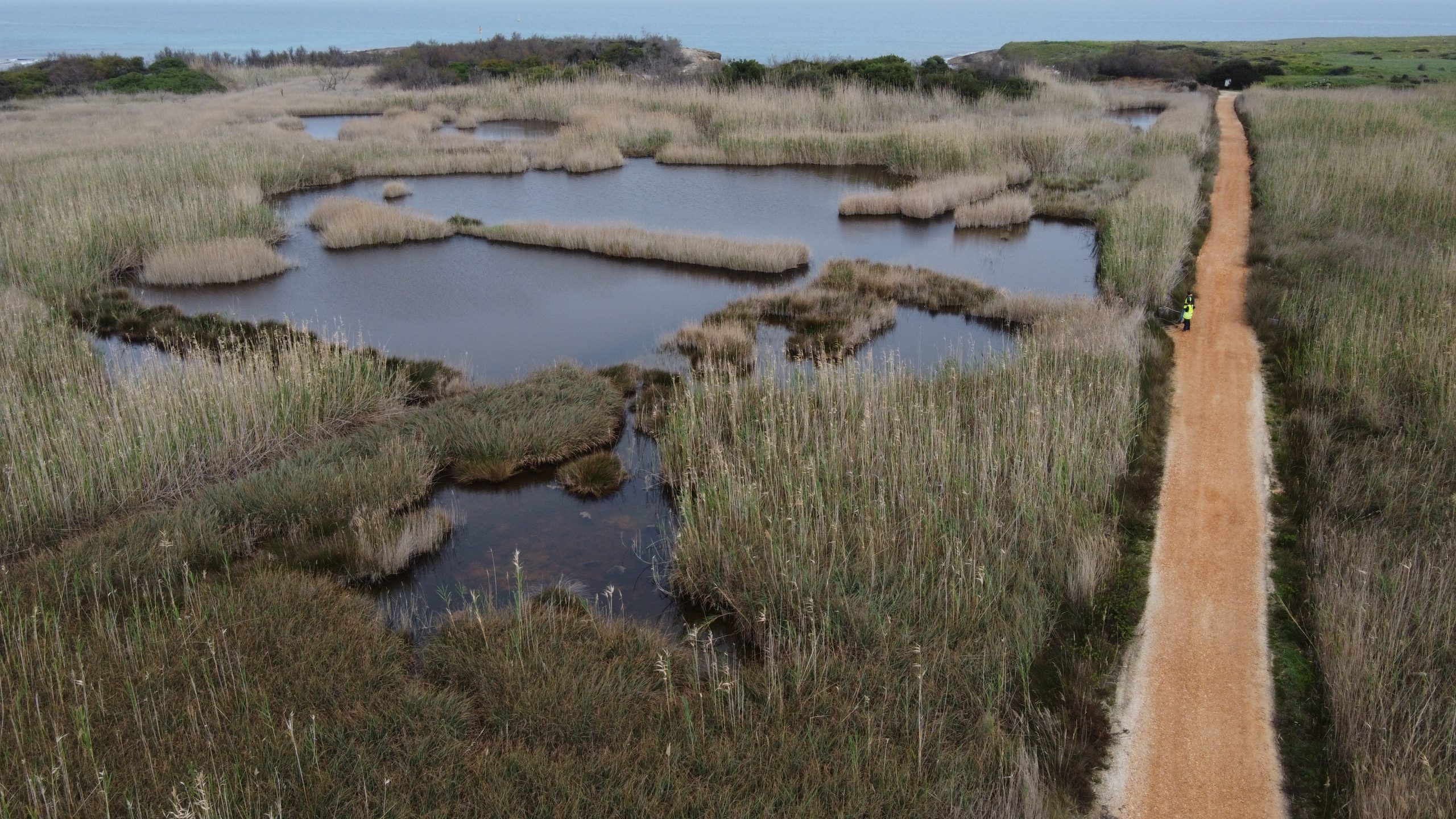
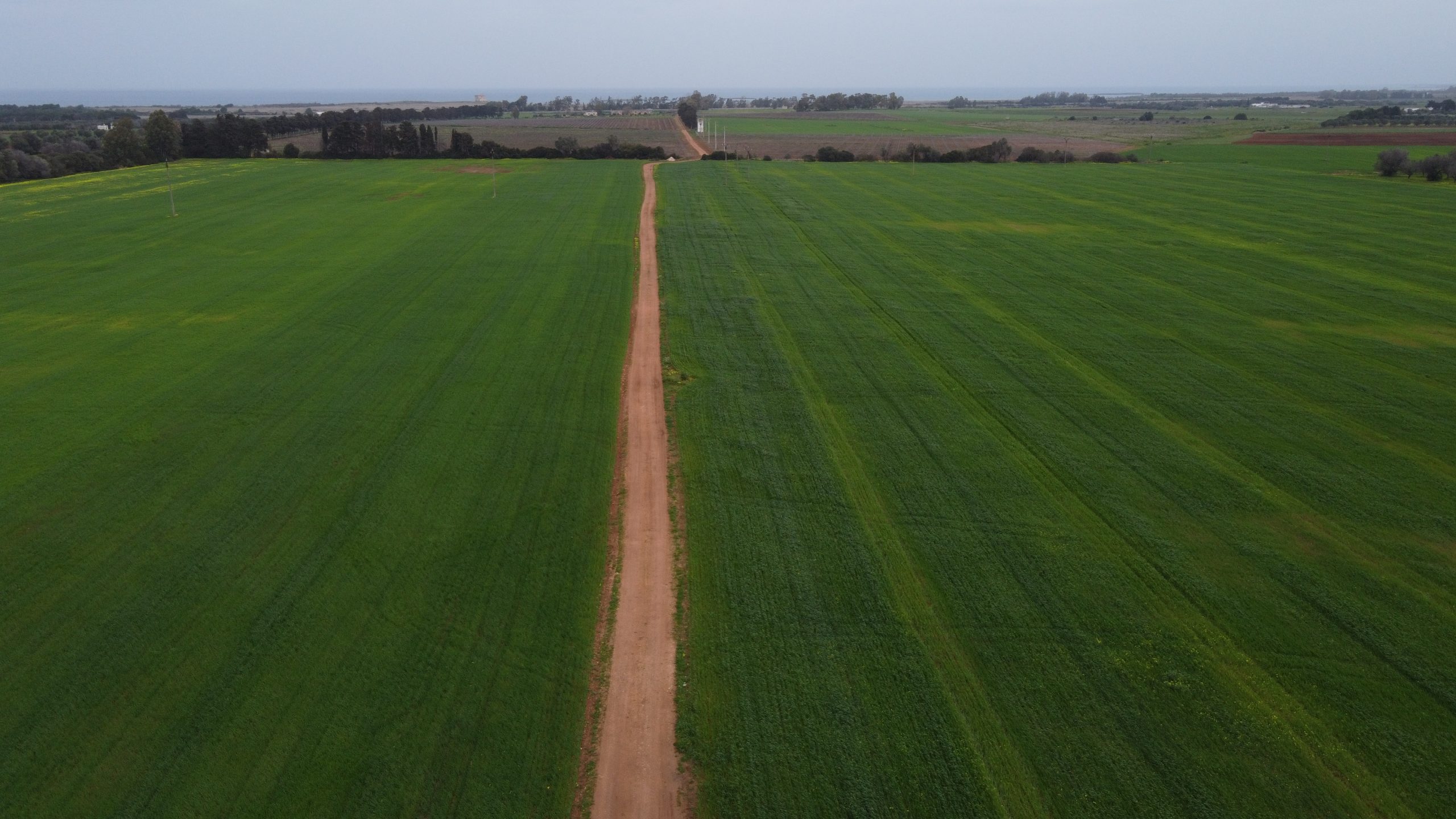
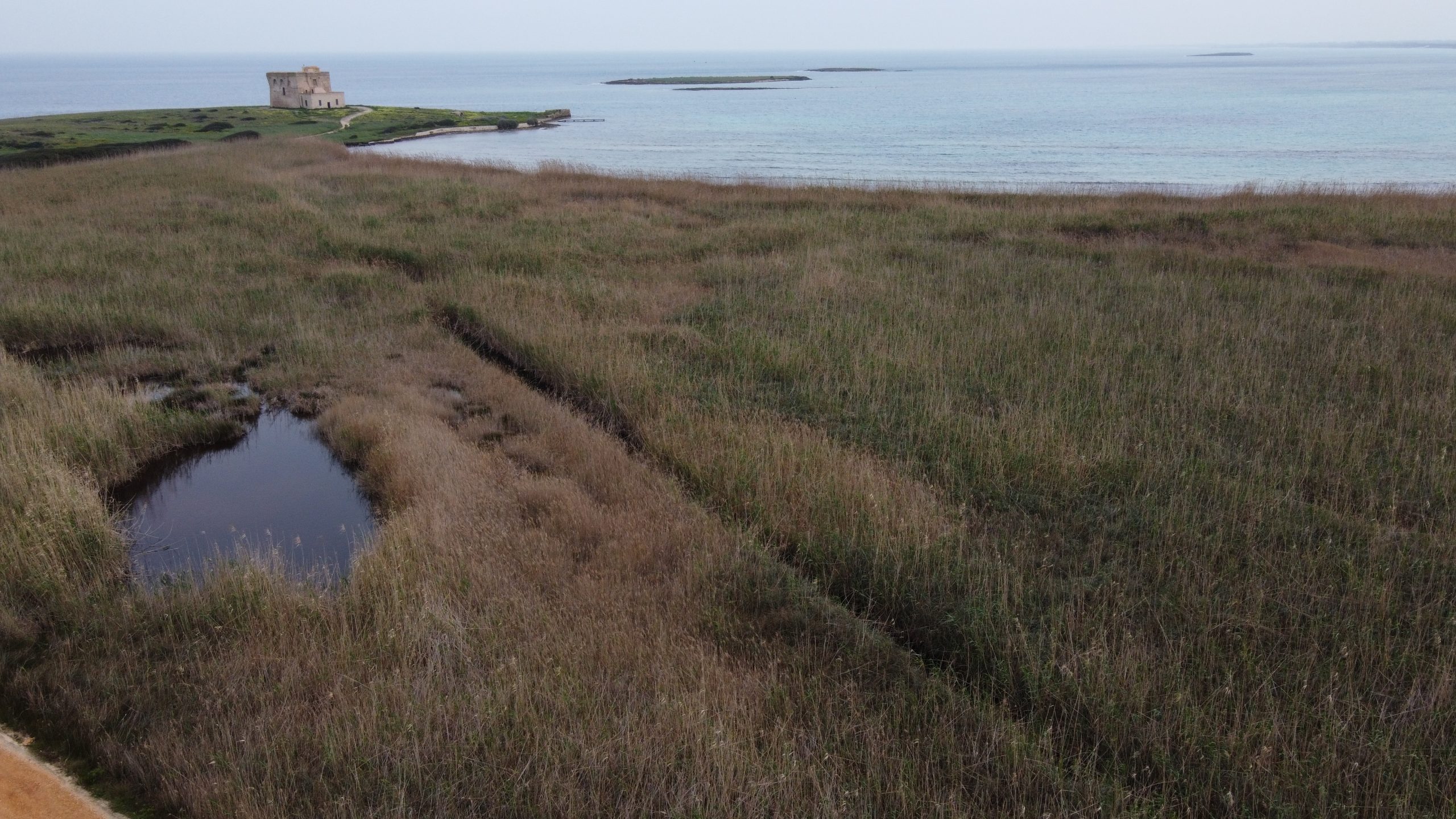
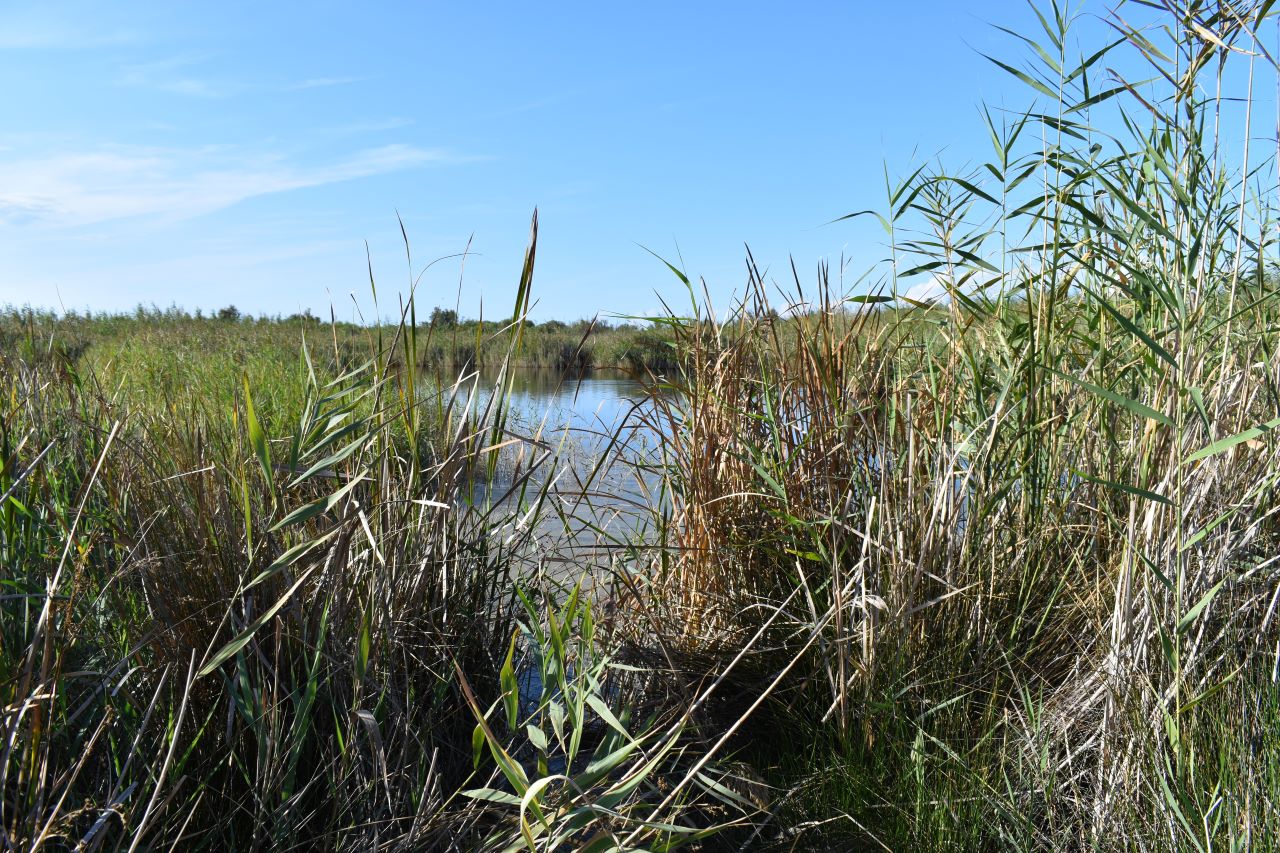
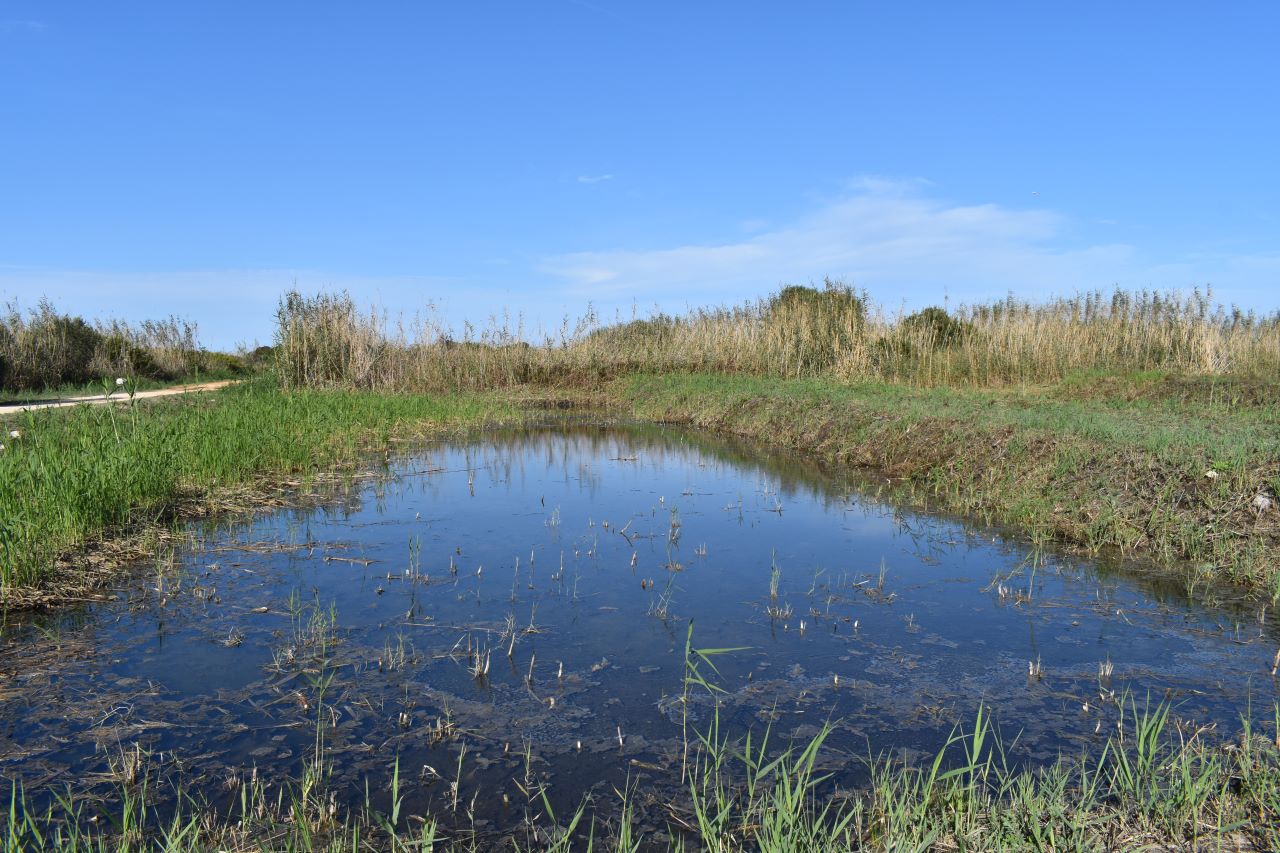
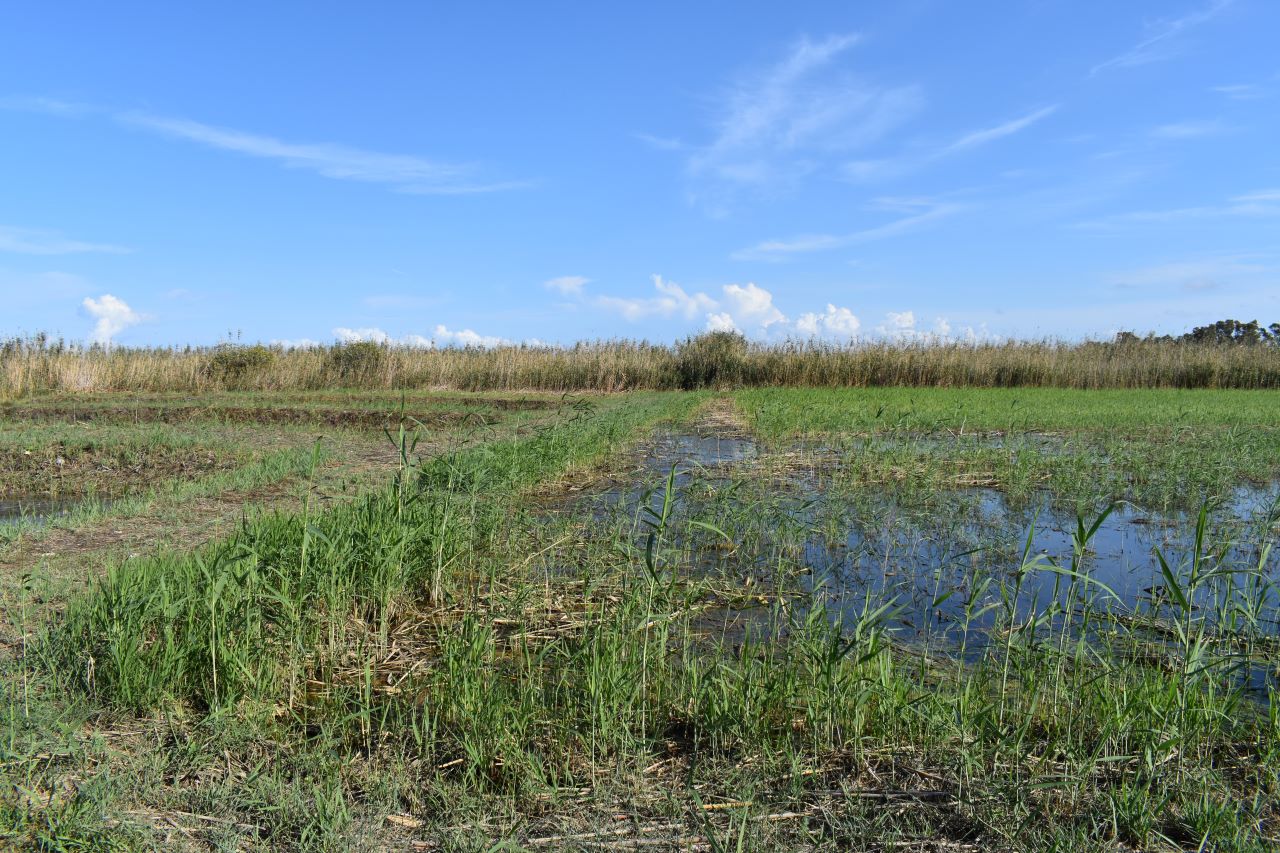
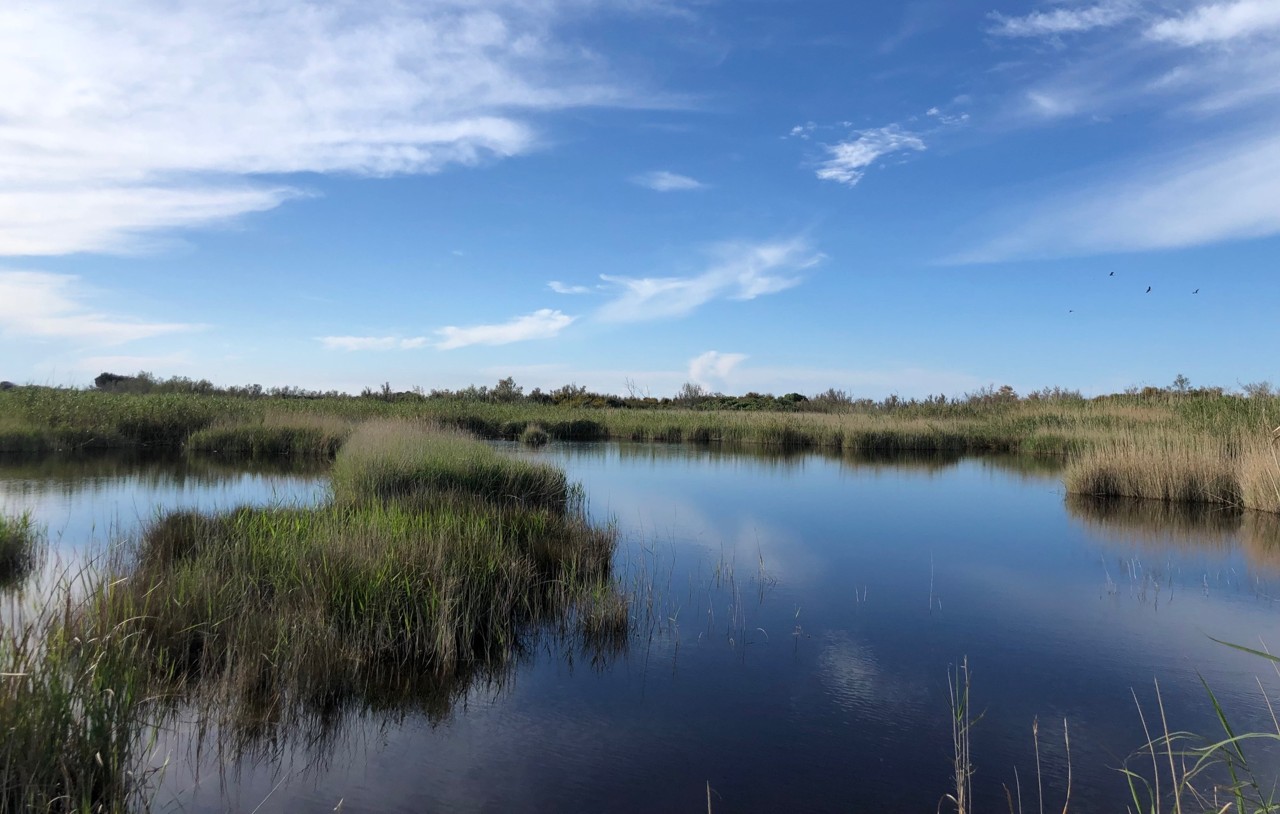
Photos: ©CNR-IRSA
Reclaimed water, salinity management and Nature-based Solutions
To address these challenges, the Living Lab explores how sustainable water management and ecosystem restoration can be combined at irrigation district and coastal aquifer scale.
Key activities include:
A central goal is to support the transition toward a more resilient agro-ecosystem where:
Initial findings show that salinity is already perceived by farmers as an urgent and concrete challenge, while interest in innovation increases when solutions are economically viable and supported by monitoring and advisory services.
Bridging science, practice and governance
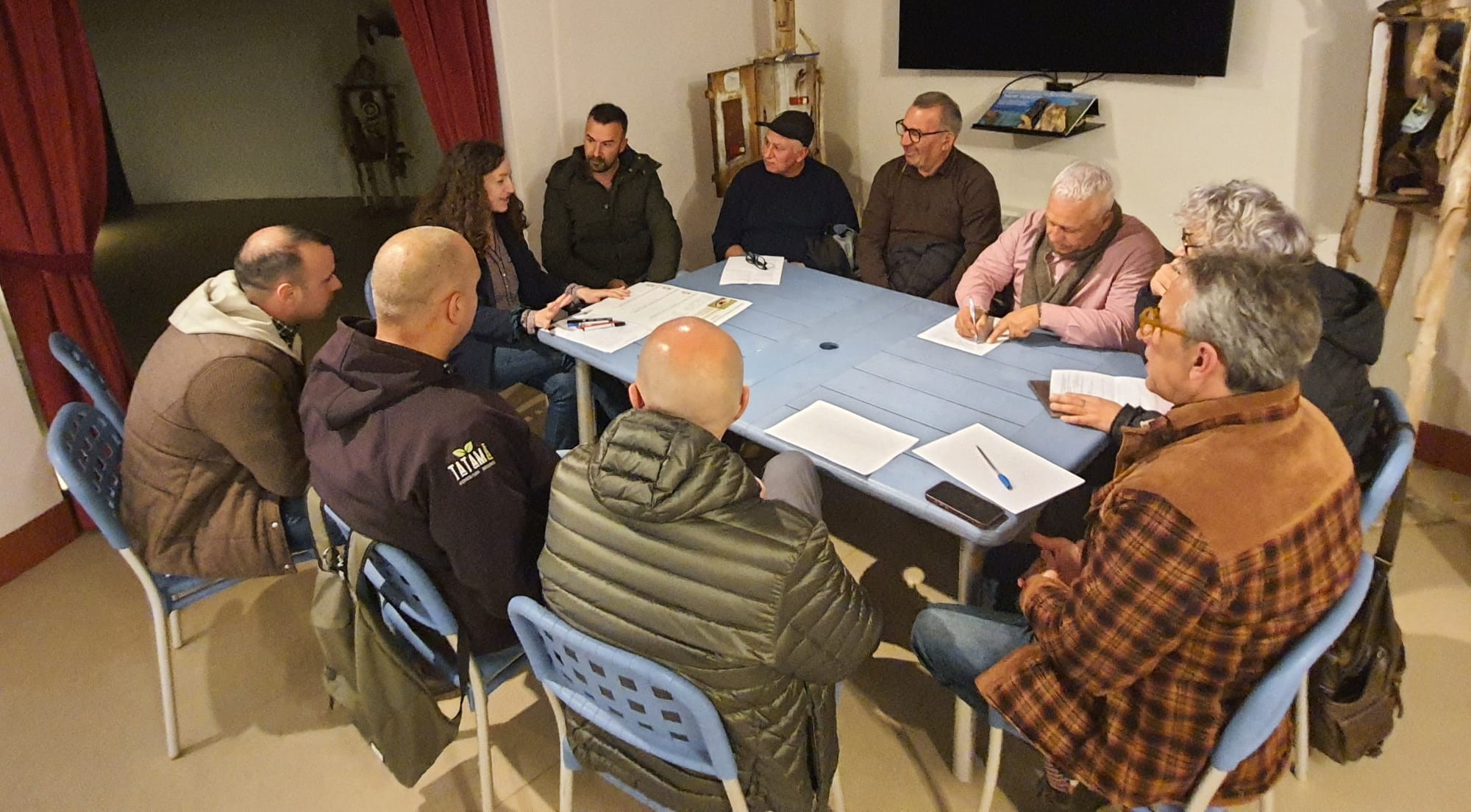
The Torre Guaceto Living Lab places strong emphasis on stakeholder participation and governance, recognising that trust, coordination and institutional cooperation are as important as technological innovation.
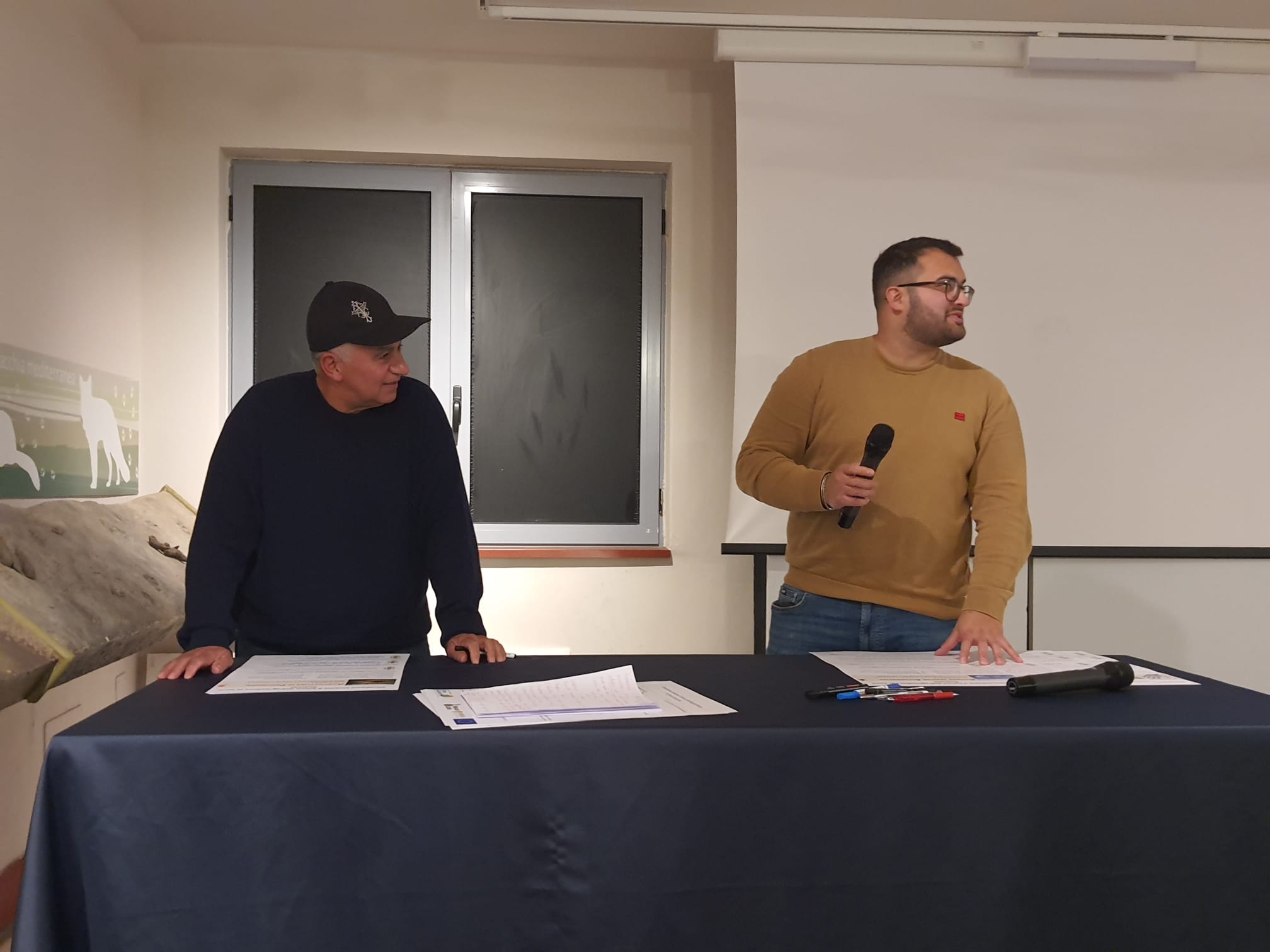
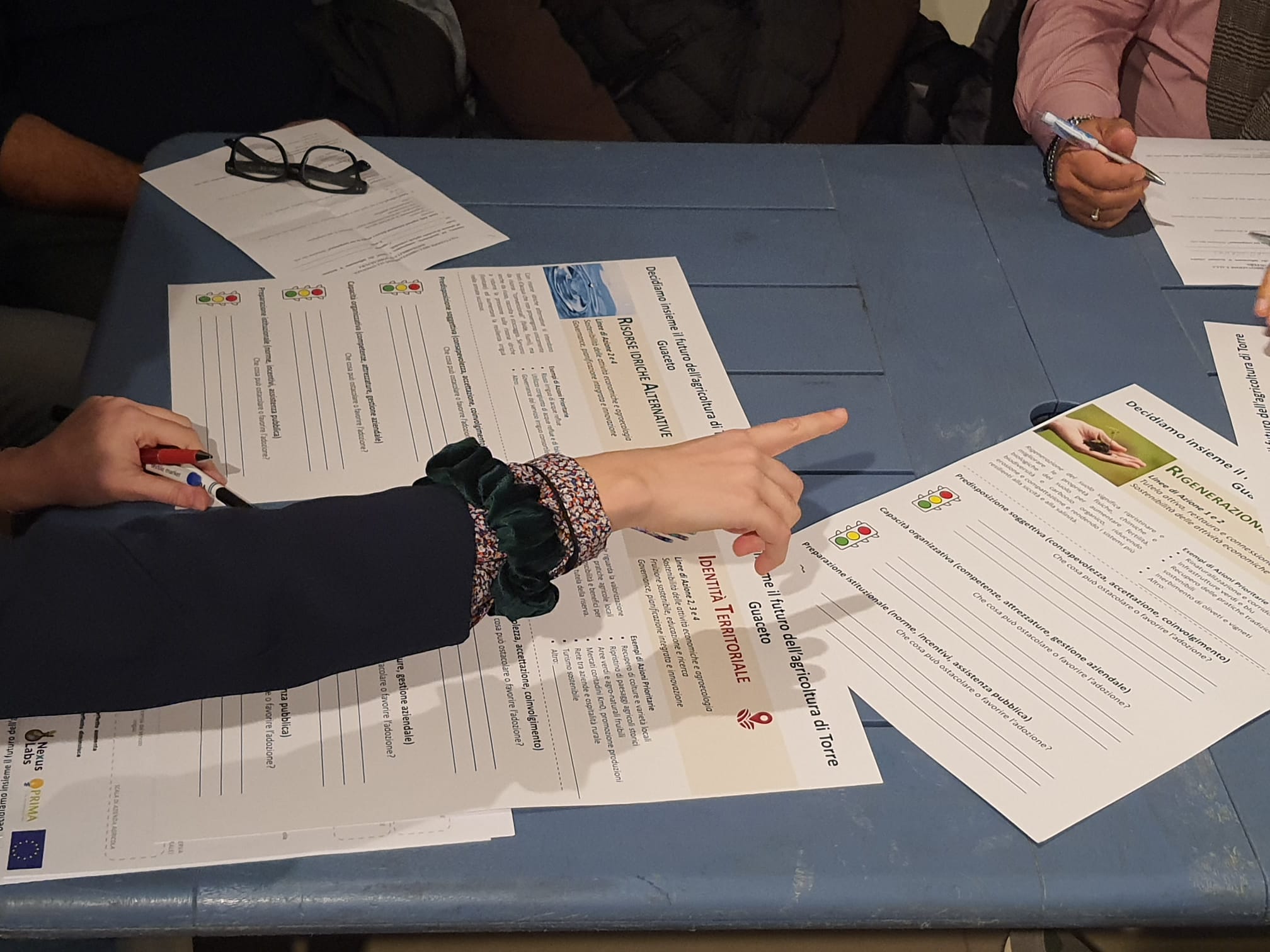
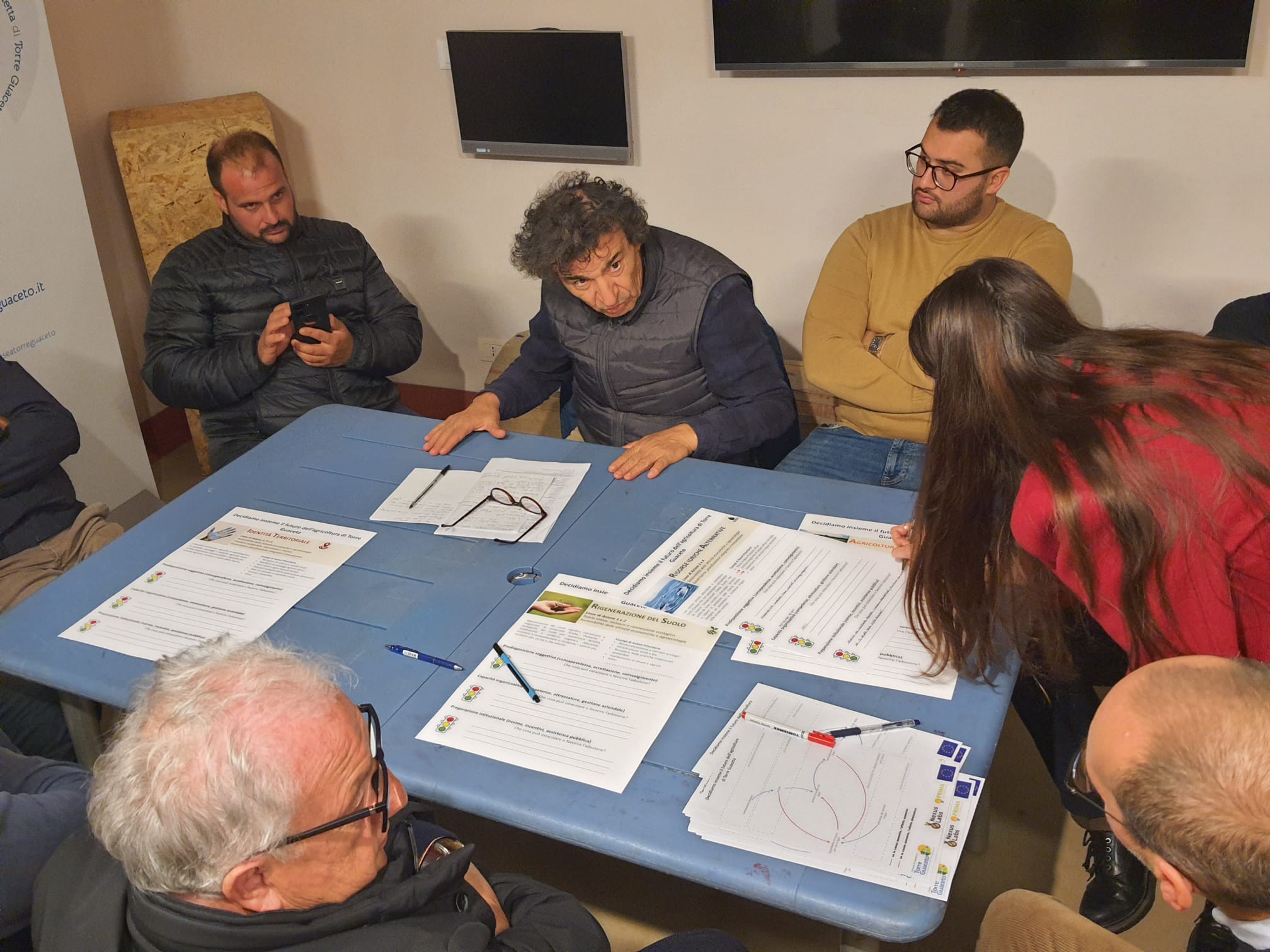
In the living lab’s regional meetings, brought together farmers, agronomists, technicians and local stakeholders discuss:
The Living Lab is closely connected to the ongoing revision of the Natural Reserve Management Plan, helping ensure that environmental protection measures are developed together with local farming communities and territorial stakeholders.