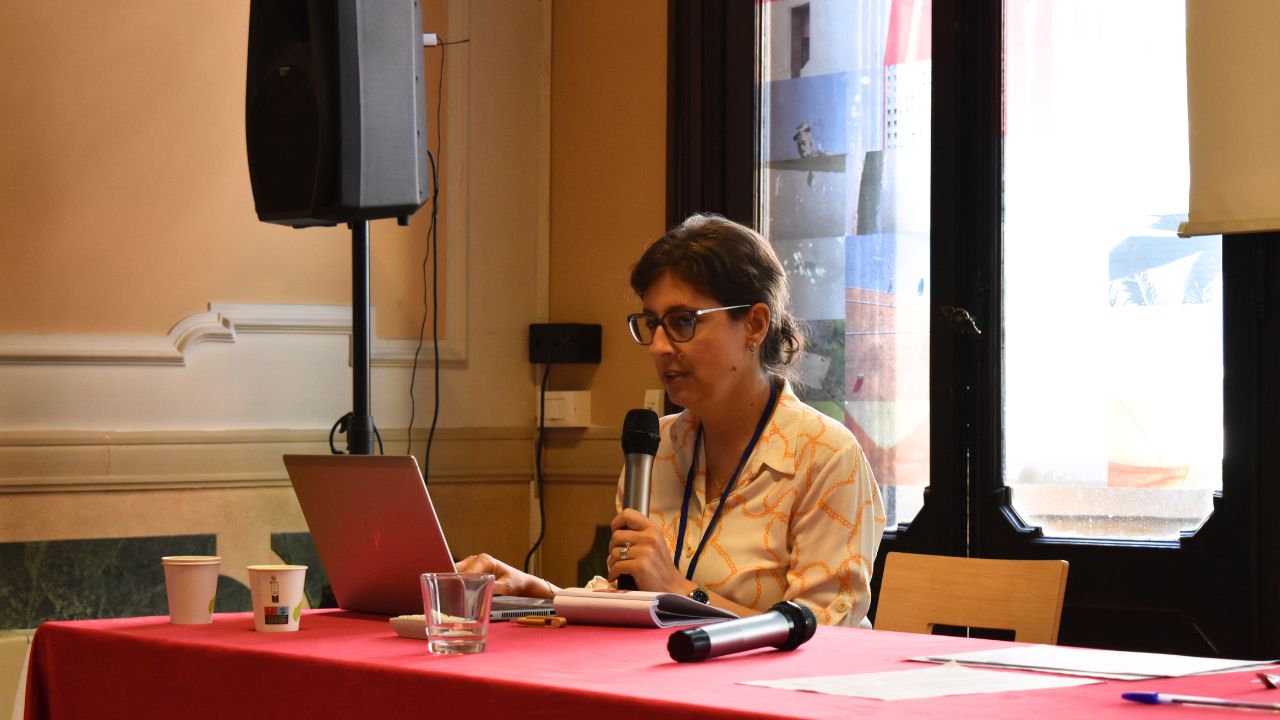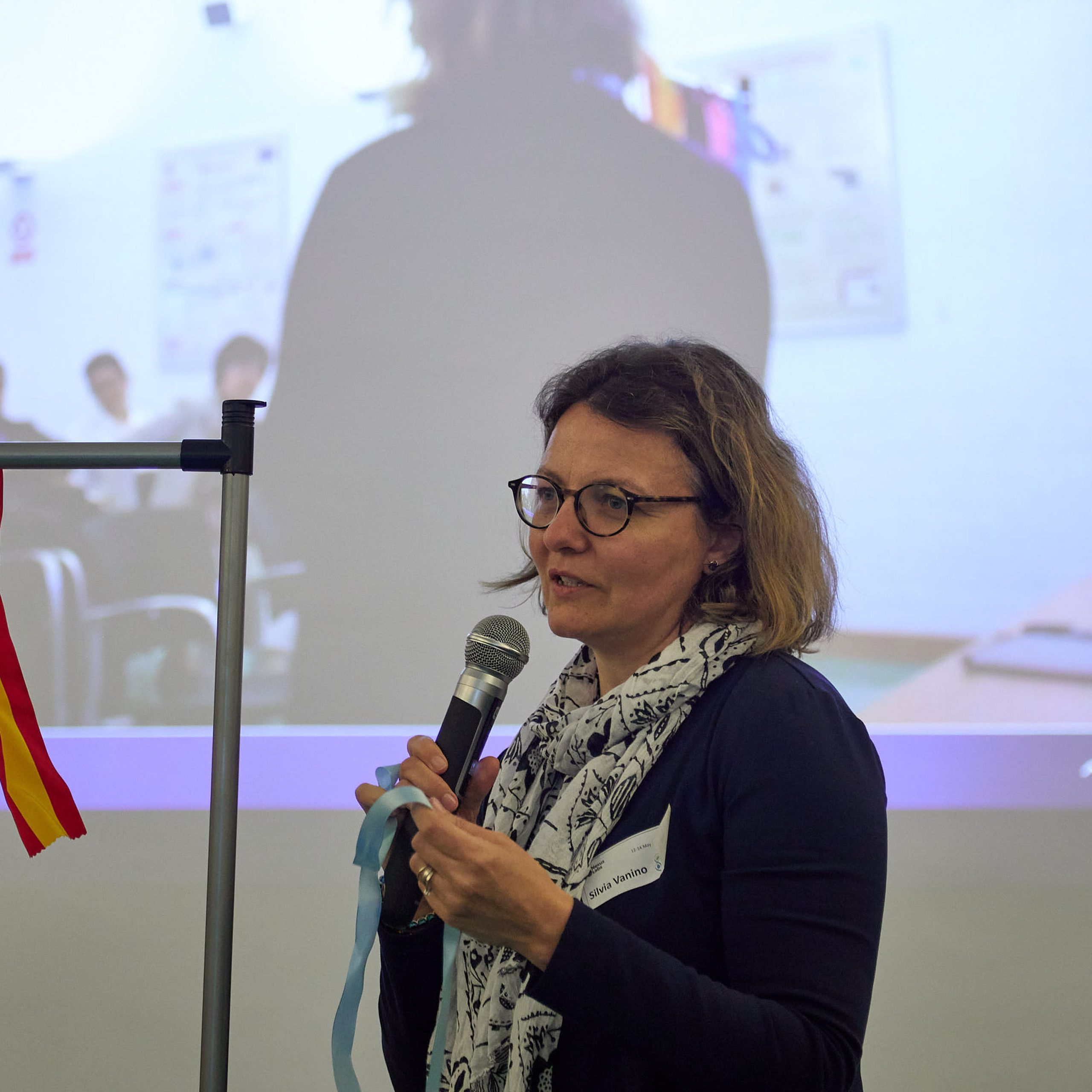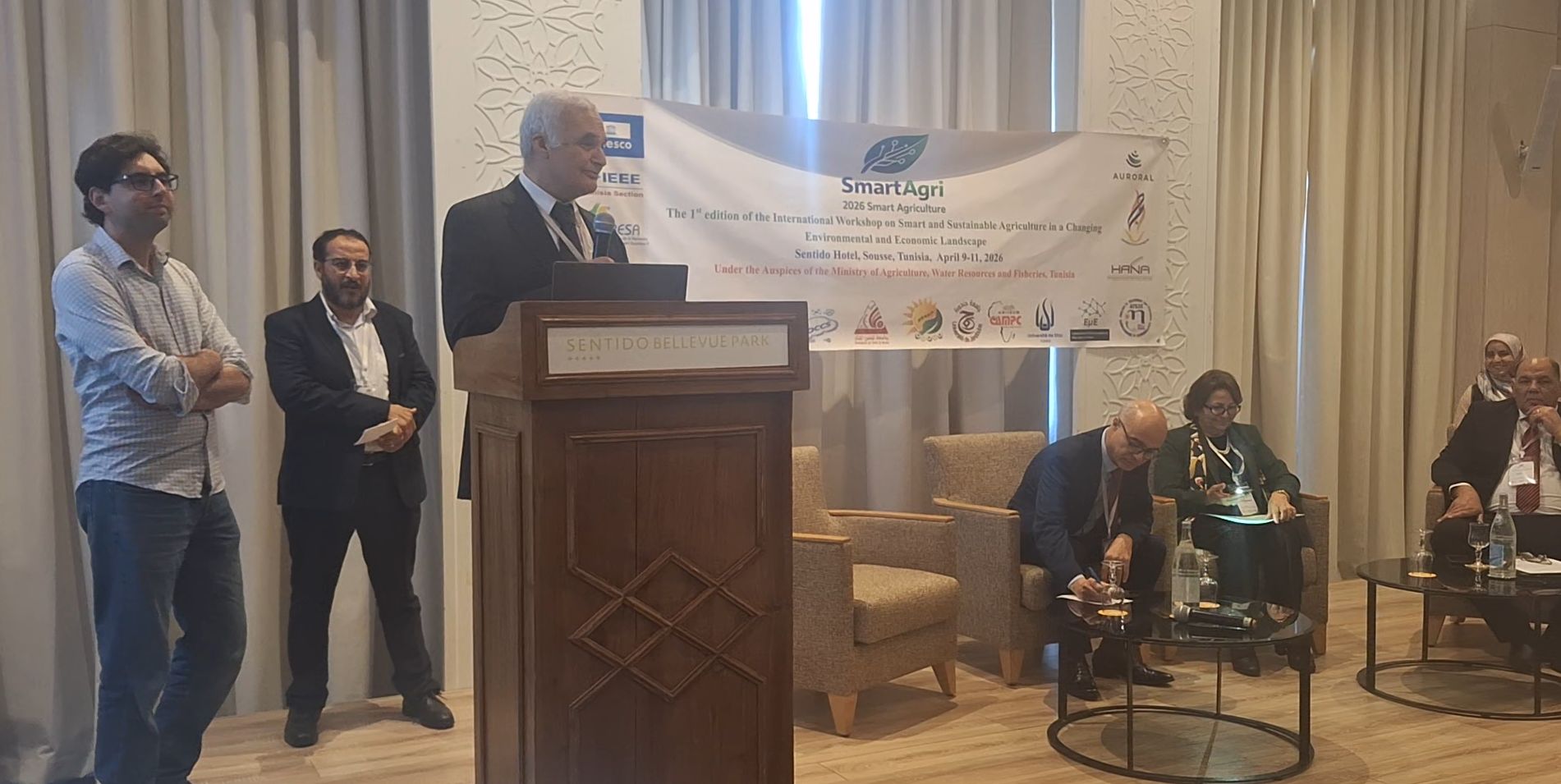
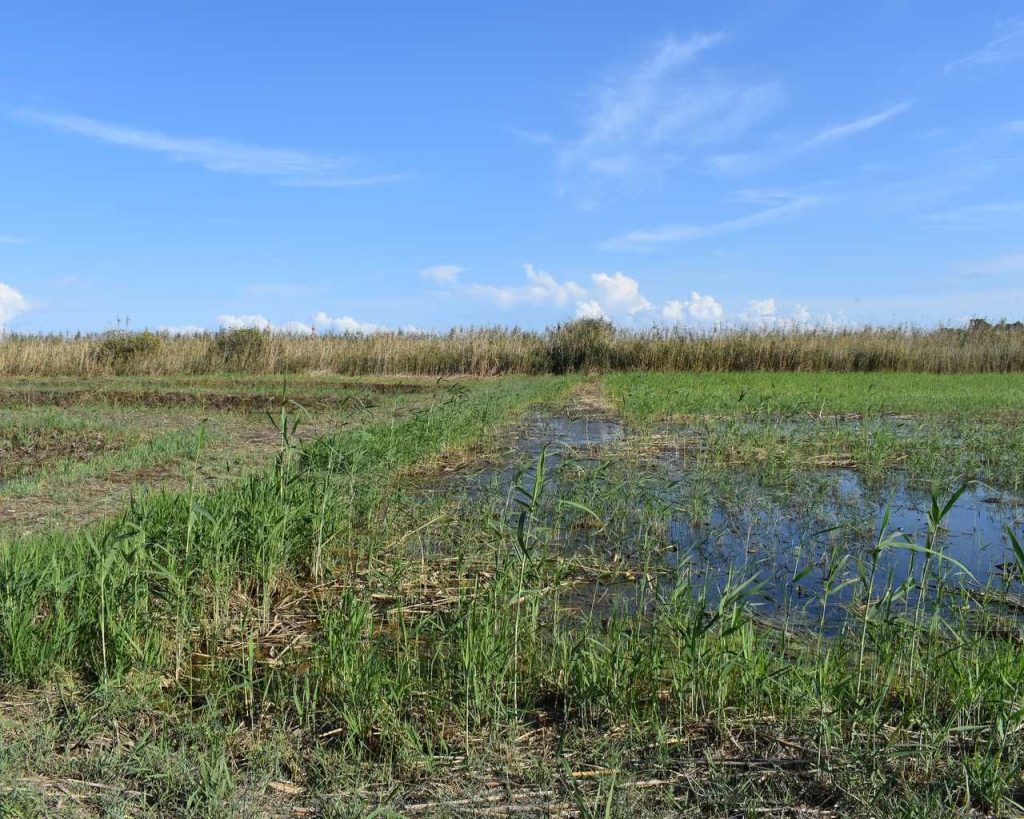
The Torre Guaceto Living Lab operates within and around the Torre Guaceto protected coastal wetland system, a RAMSAR site where agriculture, groundwater management, and ecosystem conservation are closely interconnected. Through NexusLabs, researchers, farmers, and local stakeholders are working together to explore treated wastewater reuse as a sustainable solution to water scarcity and groundwater salinization. We spoke with the team, comprised of experts from the Water Research Institute (IRSA-CNR) and the Polytechnic of Bari (PoliBa) who explained that experience demonstrates that while innovative technologies are important, their successful adoption depends equally on trust, governance, and continuous engagement with local communities.
Q: What are you hearing from farmers, managers and other local stakeholders?
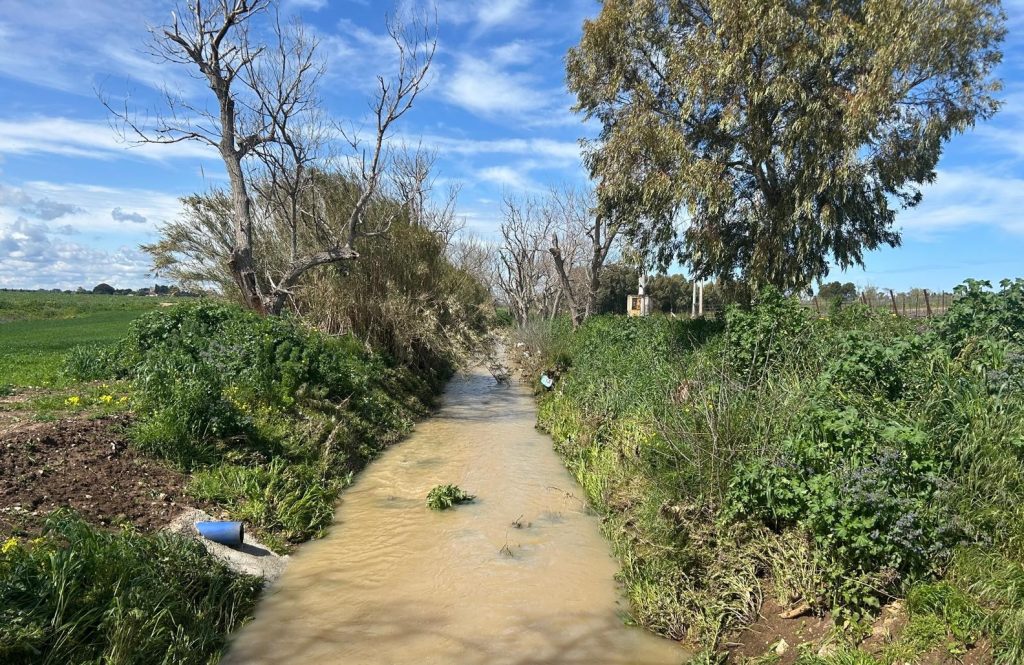
Local farmers and stakeholders are very interested in solutions that can help address water scarcity and groundwater salinization, which are major challenges in the Torre Guaceto area. Many farmers already experience difficulties linked to increasing salinity in irrigation wells and are looking for reliable alternative water sources.
The reuse of treated wastewater is generally perceived as a promising solution, especially because it could reduce pressure on groundwater resources and partially reduce fertilizer needs thanks to the nutrients contained in reclaimed water. Stakeholders are also very interested in practical aspects such as continuity of water supply, infrastructure management, and economic sustainability.
Another important aspect emerging from discussions is the need for clear governance and trust in water quality monitoring systems.
In Torre Guaceto, water scarcity and groundwater salinization are pressing challenges for agriculture. Through NexusLabs, researchers and local stakeholders are exploring the potential of treated wastewater reuse as a reliable and sustainable alternative for irrigation. The experience highlights that successful innovation depends not only on technology, but also on governance, trust, and close collaboration with the farming community.
Q: Mention one challenge you are facing on the ground, or “bet” that needs to be won?
One important challenge is building confidence in the long-term use of reclaimed water for irrigation. Although stakeholders recognize the potential benefits, concerns still exist regarding salinity, water quality variability, and possible long-term effects on soils and crops. Another challenge is coordinating the different actors involved in water management, infrastructure operation, environmental protection, and agricultural production.
Q: Some activities or results we should expect soon?
In the coming months, we expect to further develop field-scale activities comparing conventional groundwater irrigation with reclaimed water irrigation under similar agronomic conditions. Stakeholder engagement activities with farmers and local institutions will continue as an important part of the Living Lab approach.
Q: What have you learned so far?
One interesting aspect is that farmers are often very open to discussing innovative solutions when these are connected to practical and economic benefits. Another important lesson is that technological innovation alone is not sufficient: governance, trust, communication, and continuity of service are equally important for the successful adoption of alternative water resources.
Q: How does this work connect to your experience as a researcher or institution?
This work builds on ongoing research activities carried out by CNR-IRSA on water reuse, groundwater salinization, irrigation management, and environmental monitoring in coastal agricultural systems. The activities developed within NexusLabs are strongly connected with previous and ongoing projects (e.g., UNIVERSWATER) focused on sustainable water management and the safe reuse of treated wastewater in agriculture. The Living Lab approach also offers an important opportunity to integrate scientific research with the real needs and priorities of local stakeholders.