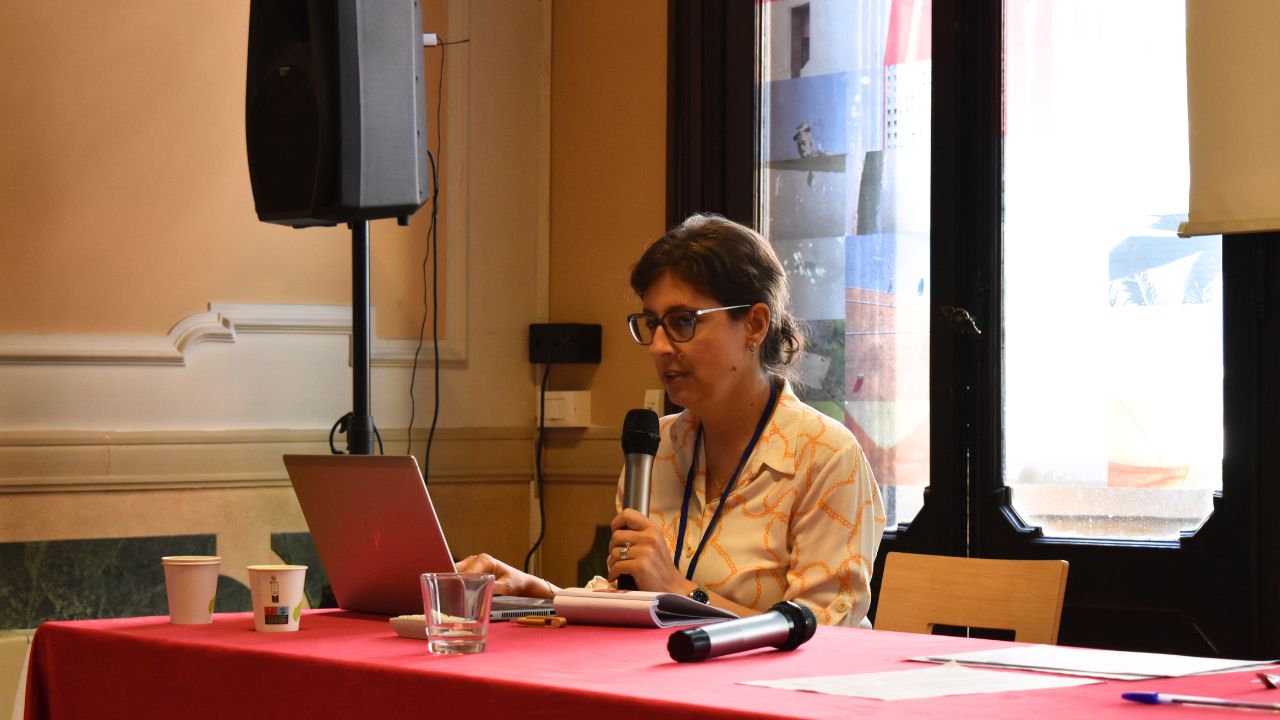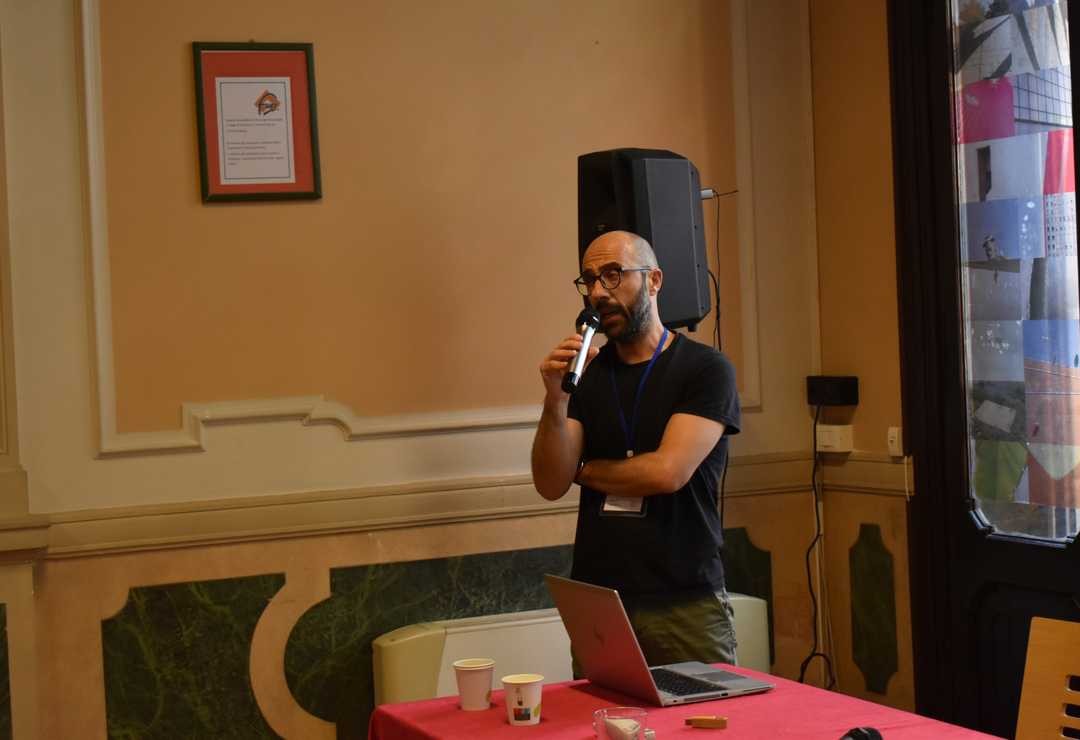
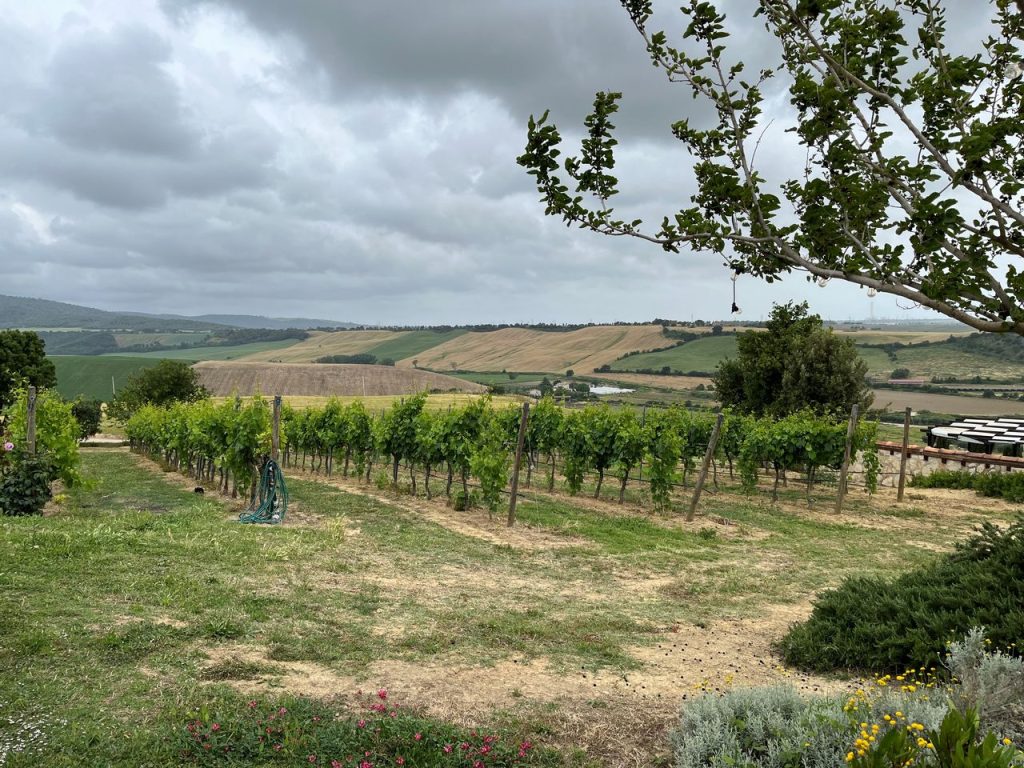
Located in the Tarquinia plain in central Italy, the Tarquinia Living Lab brings together researchers, farmers and local stakeholders to co-develop practical solutions for more resilient and sustainable irrigated agriculture. Building on the region’s rich agricultural heritage and strong local partnerships, the Living Lab explores how Nature-based Solutions, smart irrigation and regenerative farming practices can improve soil health, water efficiency and climate resilience. In this interview, the team shares the challenges facing local farmers, the promising results emerging from the field, and why collaboration is key to turning scientific innovation into everyday agricultural practice.
Q: What are you hearing from farmers, managers and other local stakeholders?
A: In the Tarquinia Living Lab, farmers are navigating an unprecedented “perfect storm” of economic and environmental pressures. And in general all stakeholders of our Living Lab, and across the region, are deeply concerned by the current historic juncture. They face soaring costs for energy and technical inputs, such as fertilizers and fuel, compounded by a chronic shortage of both manual and specialized labor. This is further exacerbated by climatic instability, which has made crop yields increasingly unpredictable.
Consequently, while stakeholders (and esp. farmers) welcome having specialists in the field working on tangible solutions, they are acutely aware that the scale of these challenges requires a dedicated political agenda to secure the near future. Furthermore, many had diversified their income through agritourism; however, geopolitical instability and rising travel costs, paired with a decline in local territorial services, have caused these revenues to shrink. Despite these hardships, farmers remain remarkably resilient and open, continuing to host experiments and collaborate with scientists. They are fully conscious of the value the NexusLabs innovation brings to the table, and keep asking for more.
Q: Mention one challenge you are facing on the ground, or “bet” that needs to be won?
A: From a pragmatic and local perspective, stakeholders frequently highlight a lack of cohesion between “top-tier” producers and smaller-scale farmers. Often, territorial initiatives, such as the use of the Biodistrict MET logo as “territorial identifier” for food production, are realized through the initiative and voluntary labor of a few leading farmers. However, these efforts struggle to reach a “critical mass.” Smaller producers often remain passive, perceiving these initiatives as being tailored to the interests of the wealthier few, and also because small farmers often lack the “free labor” or administrative staff that larger ones have. This creates a territorial inertia that slows the response to identified challenges. To overcome this social and organizational barrier, it is essential to more equitably redistribute opportunities of innovation across a broader spectrum of farmers.
Also, a primary challenge for farmers and policy maker is whether successful innovations piloted through research-funded projects can remain economically viable post-funding without detrimental impacts on their net income, a critical consideration that must underpin any long-term strategy for the transition toward regenerative agriculture and soil resilience within the Living Lab.
Q: Some activities or results we should expect soon?
A: We are nearing a significant milestone in our vineyard experimentation. By combining high-tech sensors to monitor soil water retention with Nature-based Solutions (NbS) like cover crops, we are moving beyond theory to face a specific local fear: the competition for water between cover crops and the vines. We complement soil data with direct ecophysiological monitoring: with a handheld device we will analyze vine leaves to measure water stress in real-time. This dual approach (soil + plant) provides a holistic view of how regenerative practices perform under actual climatic pressure
Q: What have you learned so far? Any surprises?
A: One of the most striking lessons has been the pragmatic openness of the farmers. While there is often a narrative that traditional farmers are resistant to change, we’ve found that they are highly receptive to Nature-based Solutions, provided the risk is supported by research projects and mitigated by scientific supervision.
The biggest “surprise” we think will not be the technology itself, but the sensitivity of the timing: the window for managing cover crops to avoid water competition could be much narrower than the literature often suggests for the Mediterranean climate. This reinforces the need for the specific local data we are currently collecting.