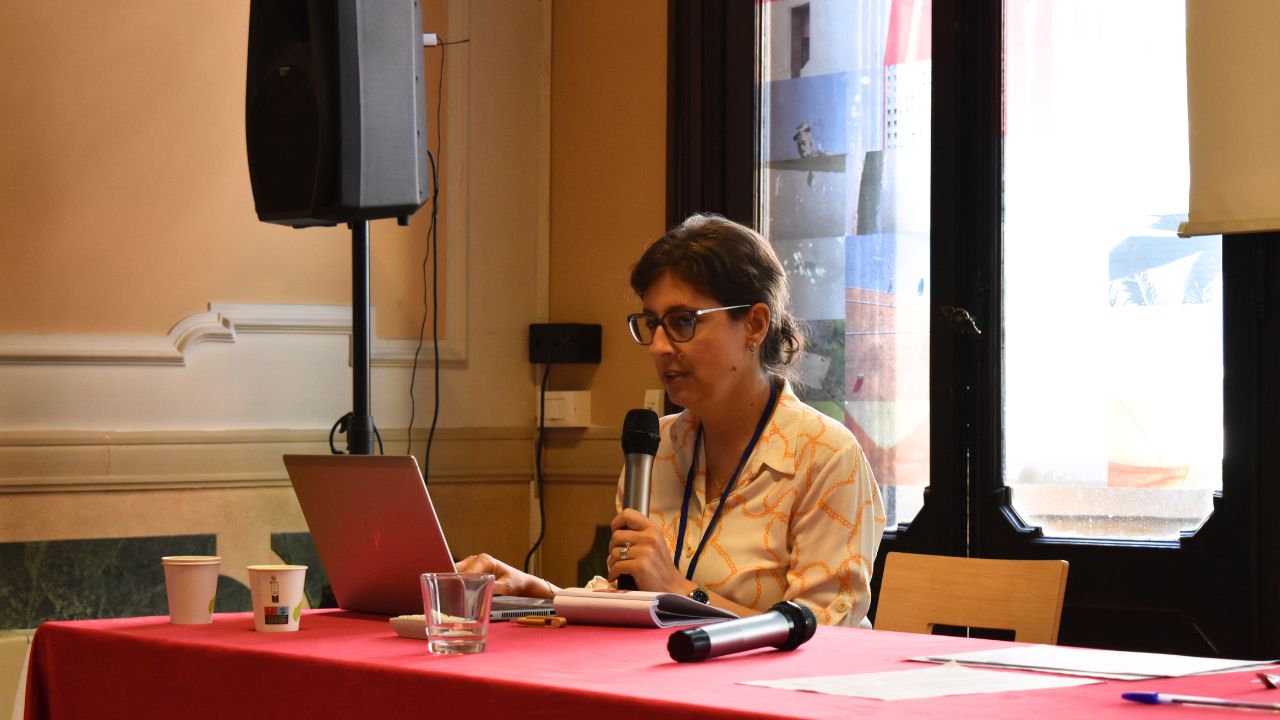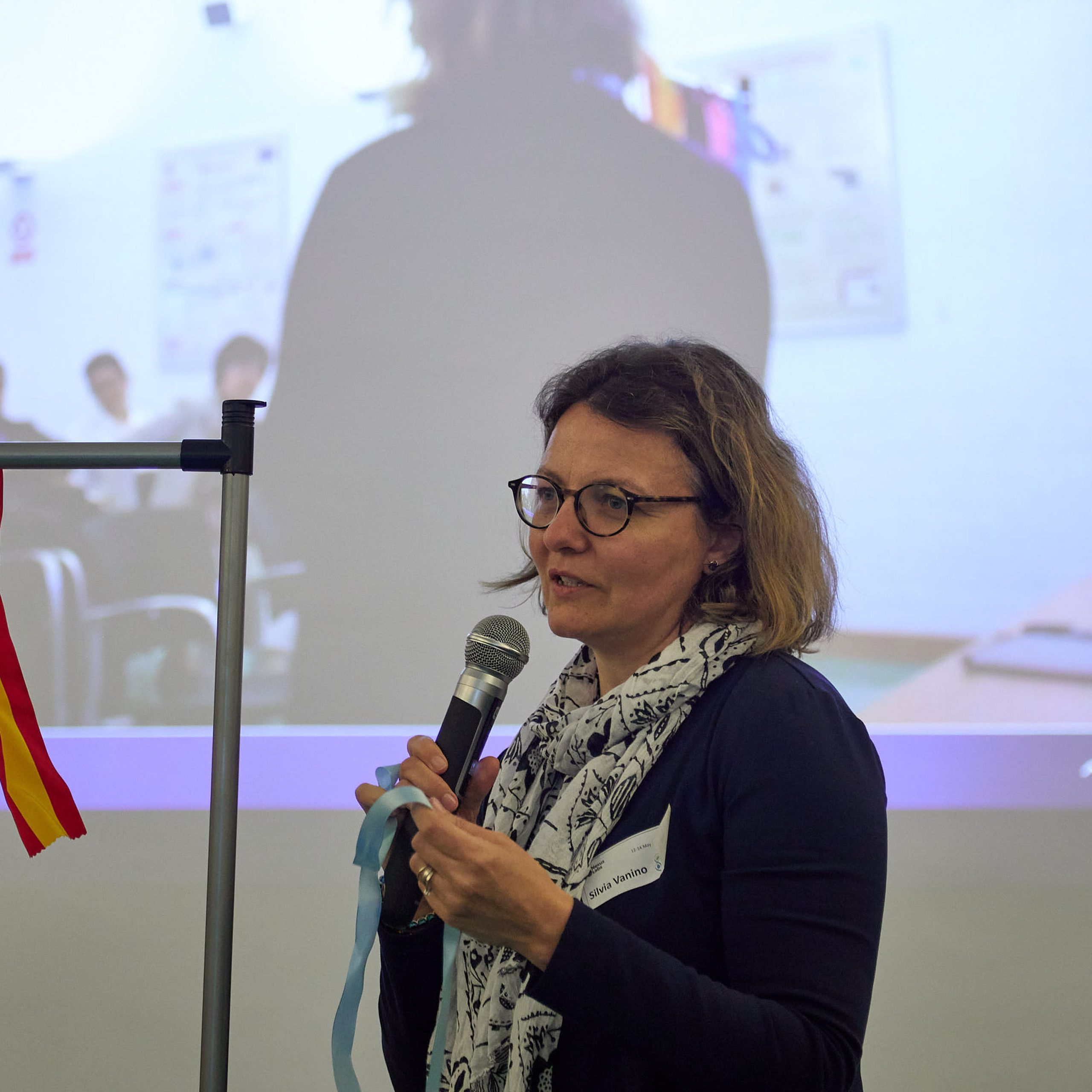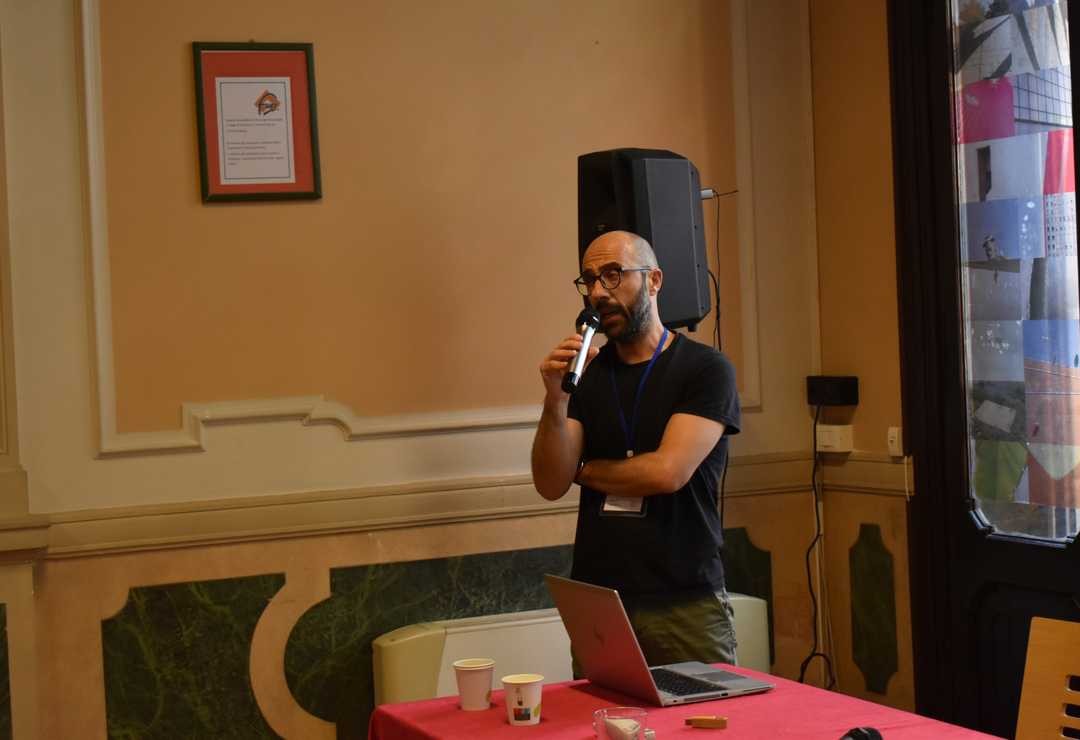
The OMNINEX team combines expertise in water resources management, remote sensing, microwave technologies and digital innovation to develop practical solutions for sustainable agriculture. Through the Tunisian Living Lab, situated in the Sfax region of Central Tunisia, they are working closely with farmers and local stakeholders to demonstrate how nature-based solutions, efficient irrigation and digital monitoring can help address water scarcity, improve soil and water management, and transform agricultural waste into an opportunity for more resilient farming systems. In this interview, they discuss the challenges of turning promising research into everyday practice and why collaboration with local communities is essential for achieving lasting impact.
Q: What are you hearing from farmers, managers and other local stakeholders?
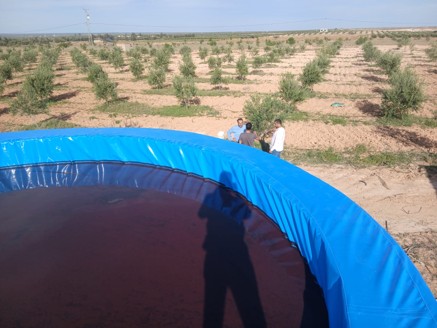
A: In Tunisia, farmers, olive mill wastewater managers, and local stakeholders are very concerned about water scarcity and the environmental impact of large quantities of margines. From our discussions, it is clear that they are looking for simple, practical, and low-cost solutions.
They show strong interest in nature-based solutions because these approaches seem more adapted to local conditions and easier to implement. What they appreciate most is the possibility to reduce environmental pressure, improve water and soil management, and better face the impacts of climate change without high costs.
Q: Mention one challenge you are facing on the ground, or “bet” that needs to be won?
A: One key challenge is moving from technical potential to practical adoption. Even when a solution is scientifically promising, it must fit farmers’ realities: available labour, cost, timing, local knowledge, and trust in the approach. The “bet” we need to win is showing that the tested practices can deliver visible benefits under real field conditions, not only in theory.
Q: Some activities or results we should expect soon?
A: In the coming months, we will start implementing the Tunisian Pilot, including the constructed wetland, drip irrigation system, and digitalisation of the pilot for better monitoring and data collection.
We will also continue working closely with farmers and local stakeholders to follow the first results and understand how these solutions perform under real local conditions.
Q: What have you learned so far?
This work builds on our experience in applied research, sustainable water management, and agricultural innovation in water-scarce areas. The Tunisian Pilot helps us connect scientific knowledge with real field needs, in close collaboration with farmers and local stakeholders.
Q: How does this work connect to your experience as a researcher or institution?
A: It also strengthens our work on nature-based solutions, efficient irrigation, and digitalisation in agriculture. For us, digital tools are important because they can help monitor water use, collect field data, support better decision-making, and make farming practices more efficient and sustainable under climate change conditions.