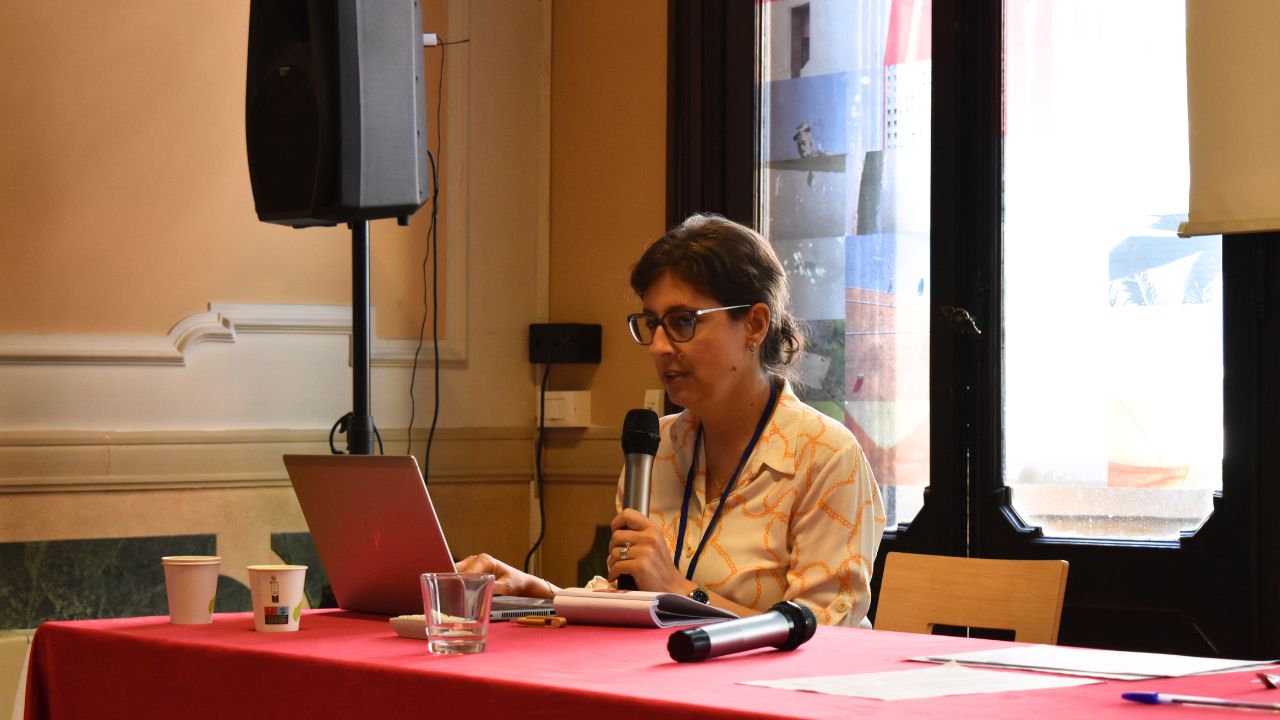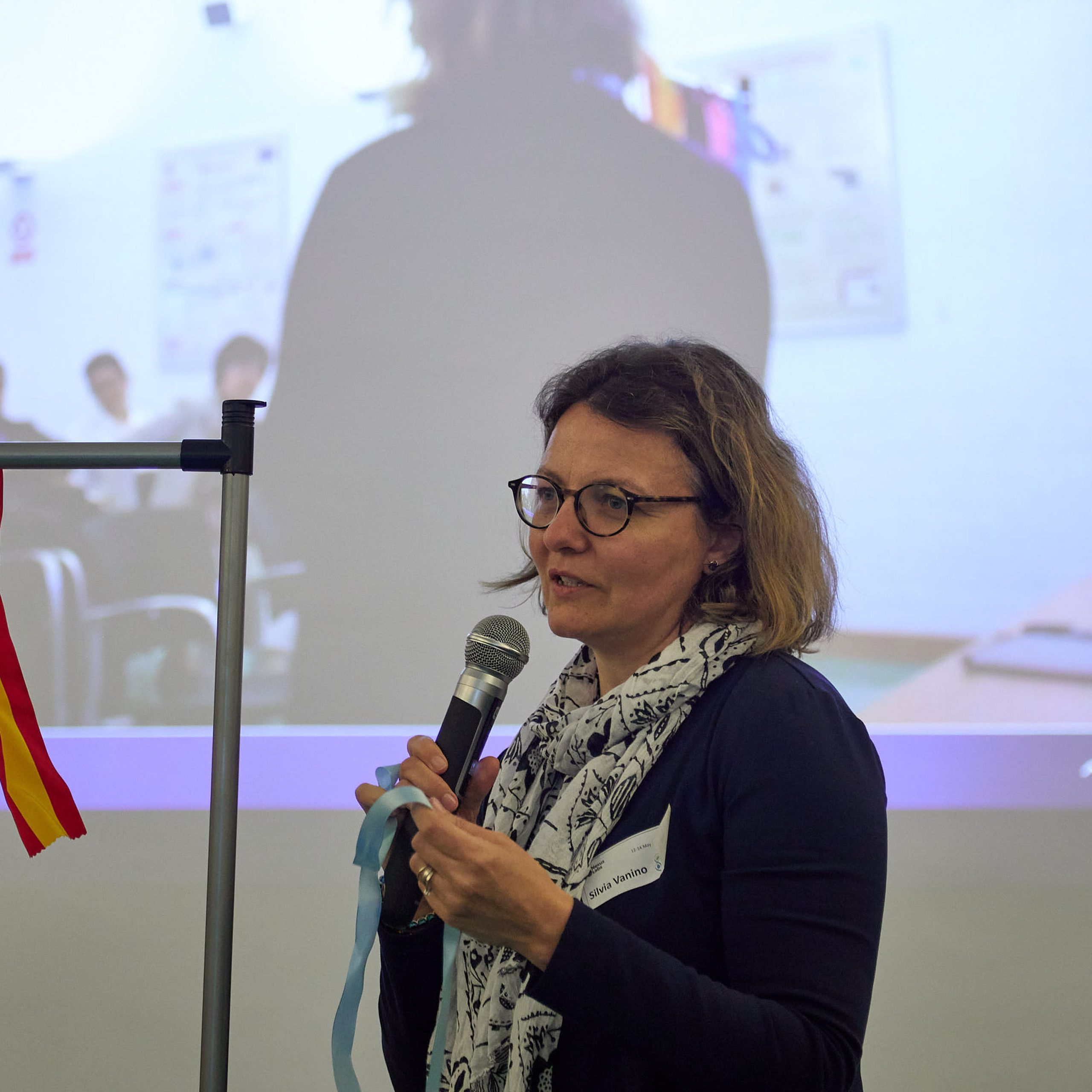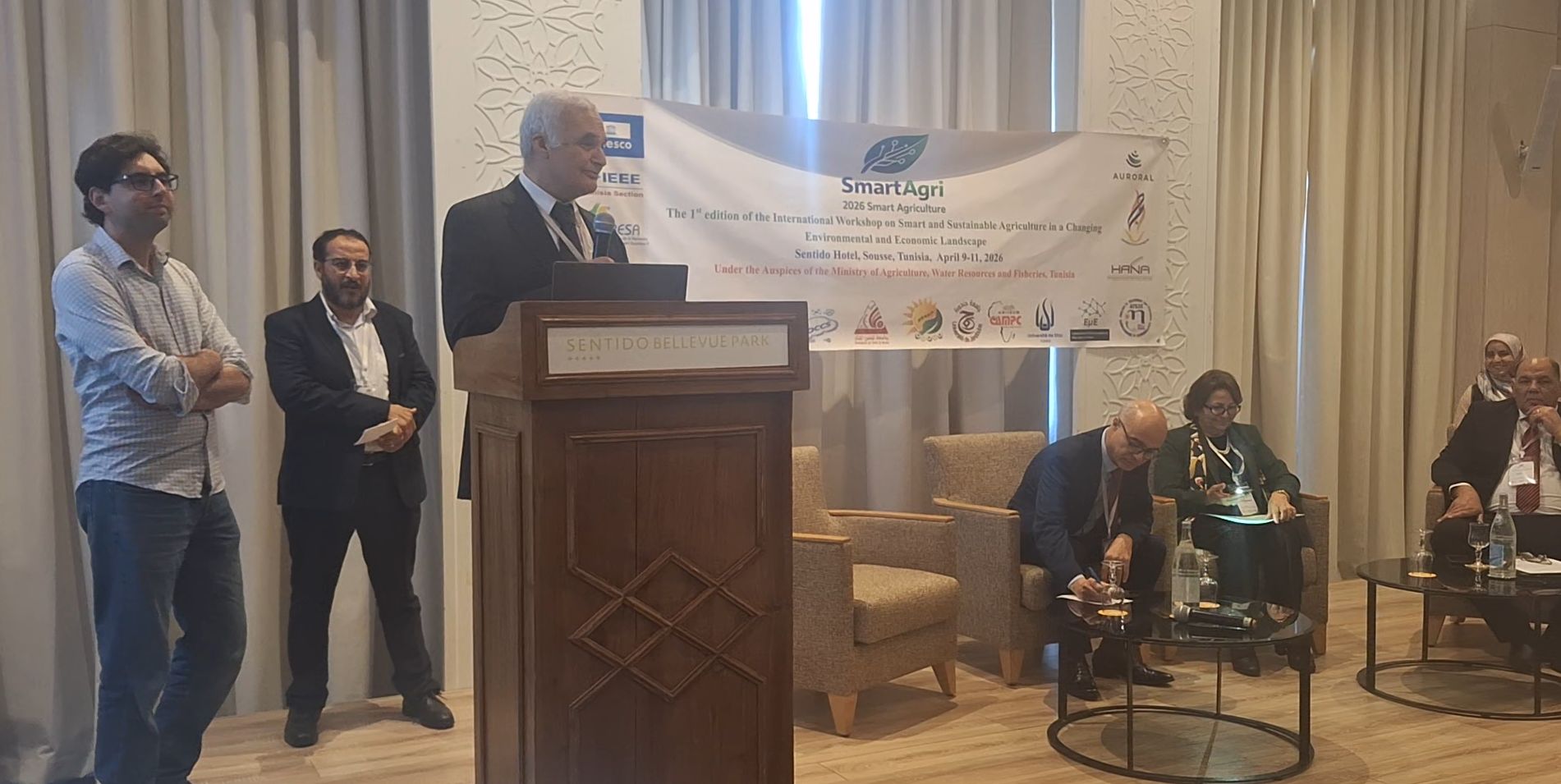
The Veneto Living Lab is bringing together researchers, farmers, water managers and policymakers to explore how the Water-Energy-Food-Ecosystems (WEFE) Nexus can support more sustainable and resilient land and water management. Building on the region’s long-standing expertise in natural capital, ecosystem services and integrated resource management, the team combines ecological, economic and social perspectives to develop practical tools that help guide decision-making. In this interview, they discuss the growing interest from local stakeholders, the challenge of balancing immediate economic pressures with long-term sustainability goals, and how innovative approaches such as the WEFE Nexus Index and Social Life Cycle Assessment (Social LCA) are helping translate research into practical action.
Q: What are you hearing from farmers, managers and other local stakeholders?
A: Different stakeholders are showing growing interest in the activities carried out within the project, and we are engaging with a wide range of groups: water user associations, farmers and their organizations, academia, the private sector, and other projects working on related topics. Although these actors have different needs, challenges and priorities, they all share concerns about water quality and availability, which are key issues within the Living Lab. We are also receiving increasing questions about existing EU and national policies — such as carbon farming and the Nature Restoration Law — and their practical implications on the ground.
Q: Mention one challenge you are facing on the ground, or “bet” that needs to be won?
A: Like the rest of the world, we are facing an increasingly volatile, uncertain, complex and often unpredictable reality. Energy costs, market instability and price volatility are disrupting economic and social dynamics far beyond what could once be considered “normal.” At the same time, growing security concerns — and the realities behind them — are shifting attention and priorities away from environmental issues and targets that, until recently, were at the forefront of the global agenda. In such a context, finding the right balance between long-term challenges and short-term contingencies is far from easy.
Q: Some activities or results we should expect soon?
A: We are active on multiple fronts. We expect to have a draft version of the WEFE Nexus Index ready soon and to begin testing it in the field. At the same time, we are refining the Social LCA framework that will be used to assess field solutions. Meanwhile, stakeholder engagement continues, as we prepare to host the second regional Living Lab meeting.
This is not a Living Lab for lazy people!
Q: How does this work connect to your experience as a researcher or institution?
A: On the one hand, our work builds on previous projects and research initiatives, such as Rexus and Lenses, allowing us to capitalize on the experience gained in the past. On the other hand, we are exploring new directions – for example through Social LCA – and expanding existing research by integrating the “ecosystem” component into the WEFE Nexus, an aspect that has so far been largely overlooked.
This is closely connected to our main field of research and interest: the management and enhancement of natural capital as a strategic asset for the sustainable development of territories and communities.