
The Tunisia Living Lab focuses on transforming olive mill wastewater from an environmental challenge into a sustainable resource for agriculture through Nature-based Solutions, smart irrigation and digital monitoring technologies.
Led by OMNINEX and implemented in the Sfax region of Central Tunisia, the Living Lab represents the first open-field NexusLabs pilot in the country. It combines constructed wetlands, treated wastewater reuse, drip irrigation and IoT-based monitoring systems to test circular and climate-resilient agricultural solutions under real farming conditions.
The pilot addresses a major challenge in Mediterranean olive-producing regions: how to sustainably manage olive mill wastewater (OMWW), which can create significant environmental pressures if discharged untreated.
The central objective of the Living Lab is to demonstrate how olive mill wastewater can be safely treated and reused for irrigation.
The system combines:
Treated water will be reused for drip irrigation across approximately 0.5 hectares of olive trees, while digital tools monitor soil conditions, water quality and irrigation needs in real time.
The Living Lab aims to support sustainable irrigation and water saving, circular economy approaches in agriculture, climate-resilient farming practices, and low-cost Nature-based Solutions adapted to Mediterranean conditions.
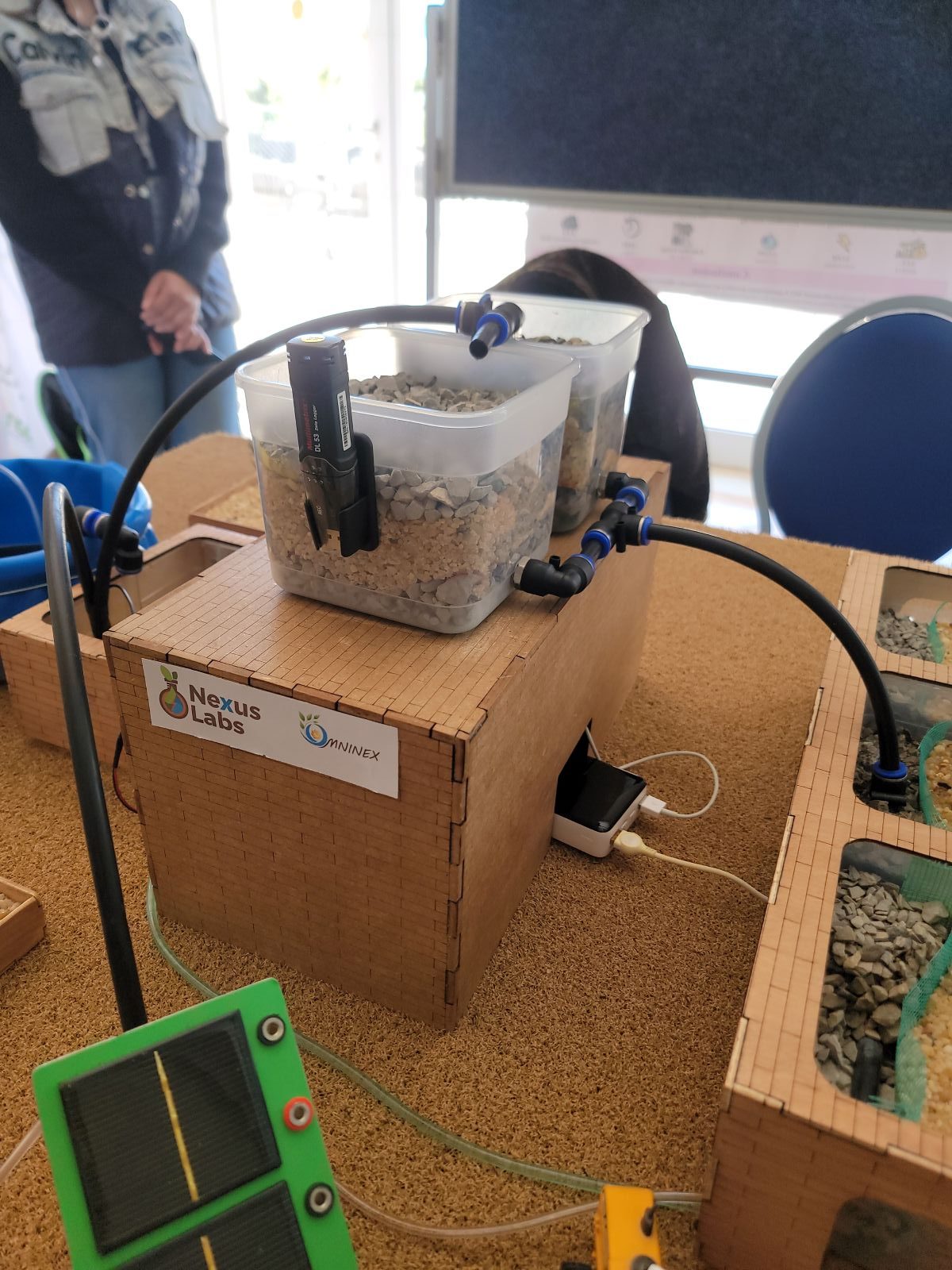
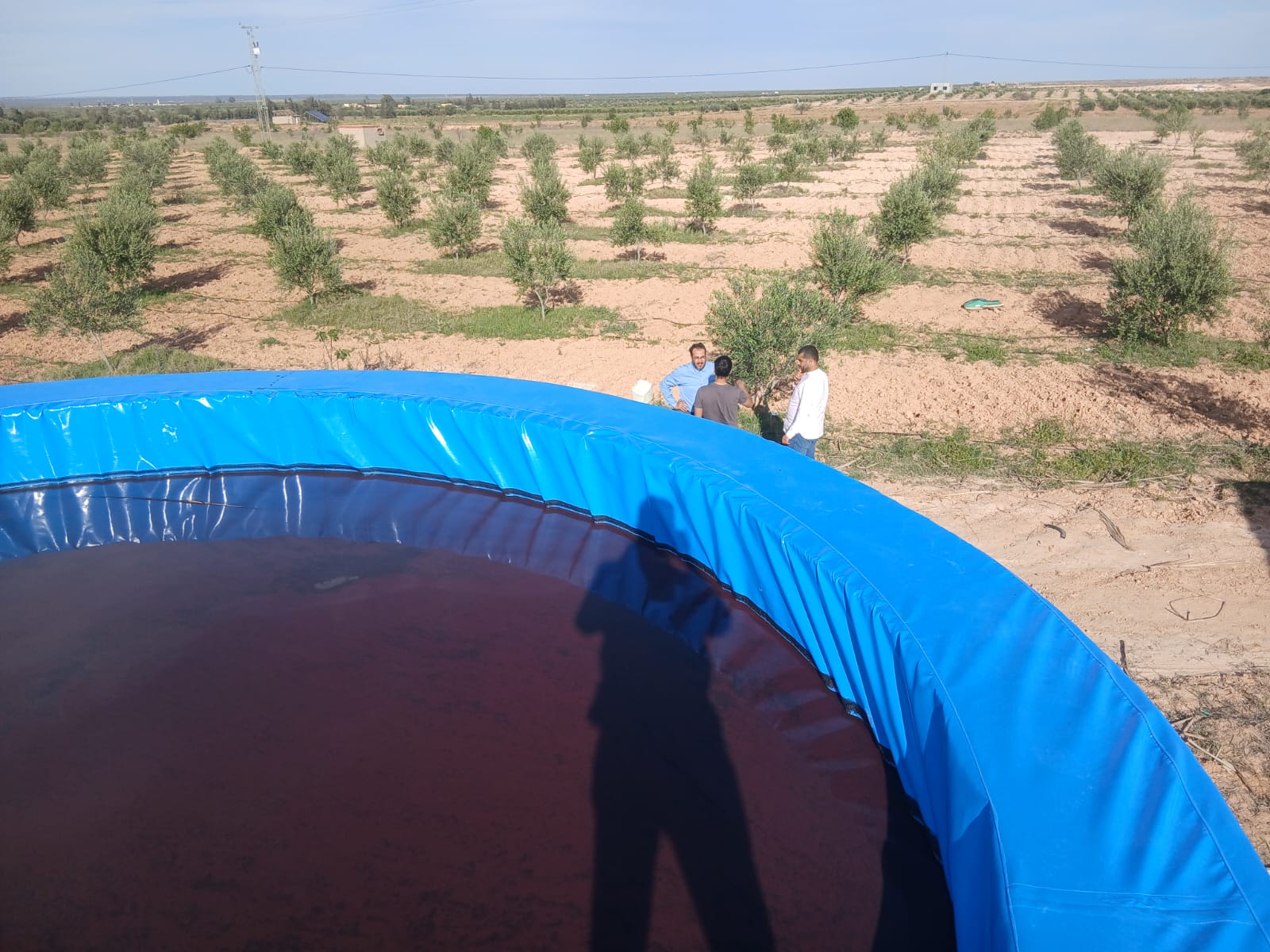
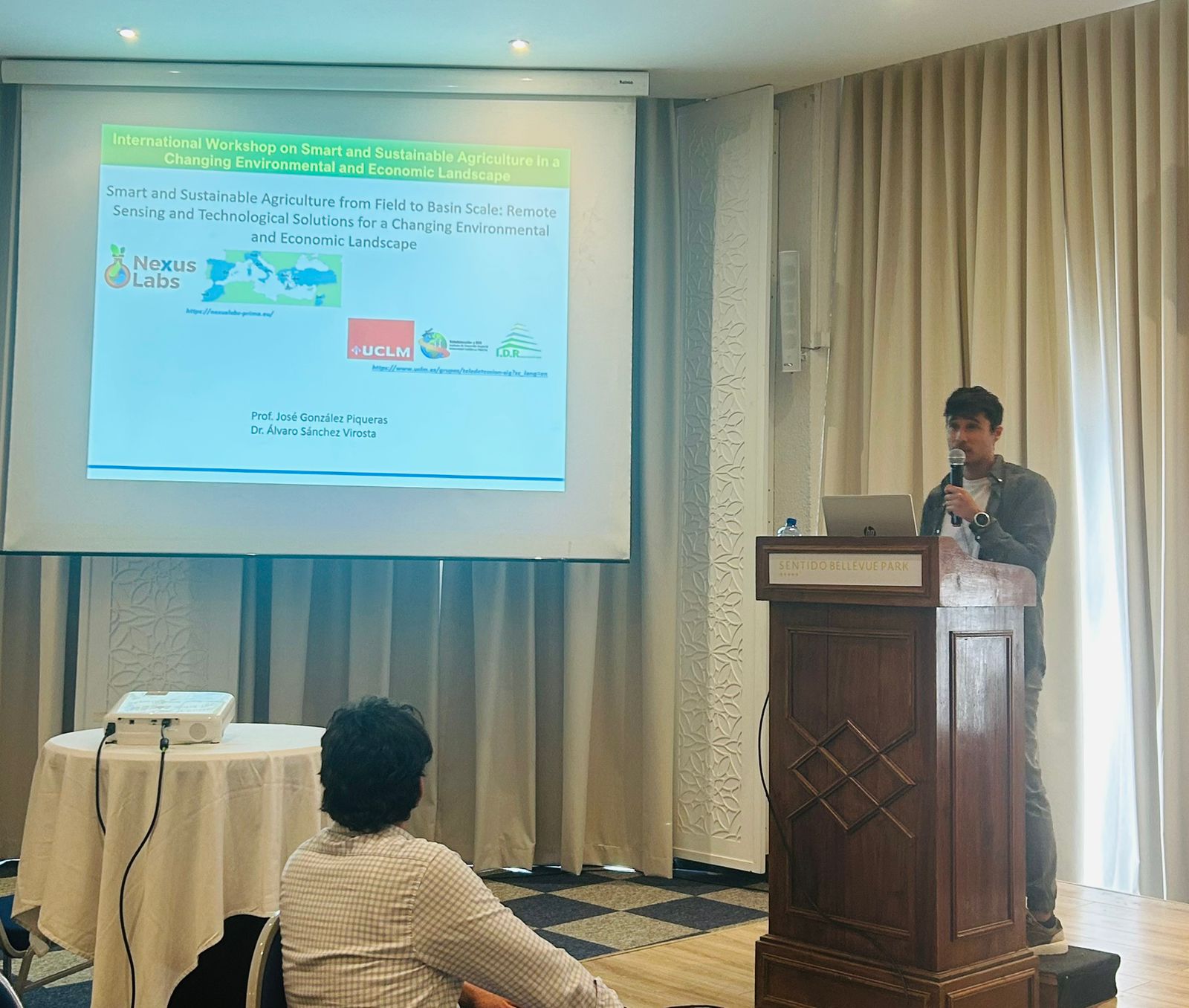
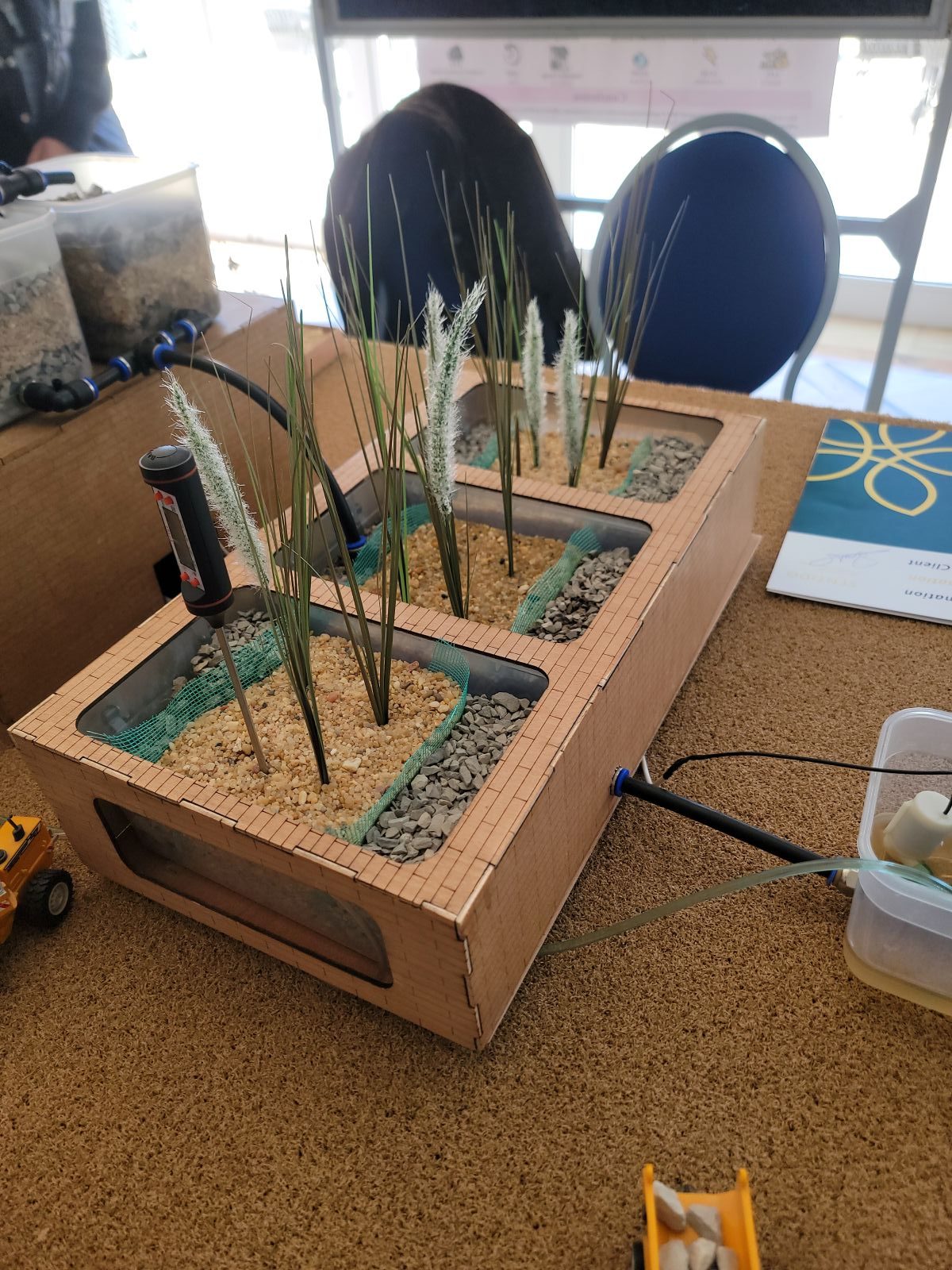
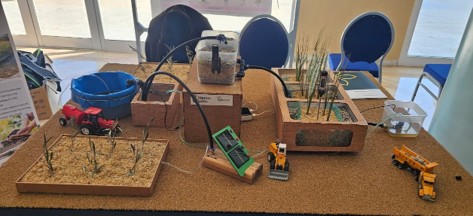
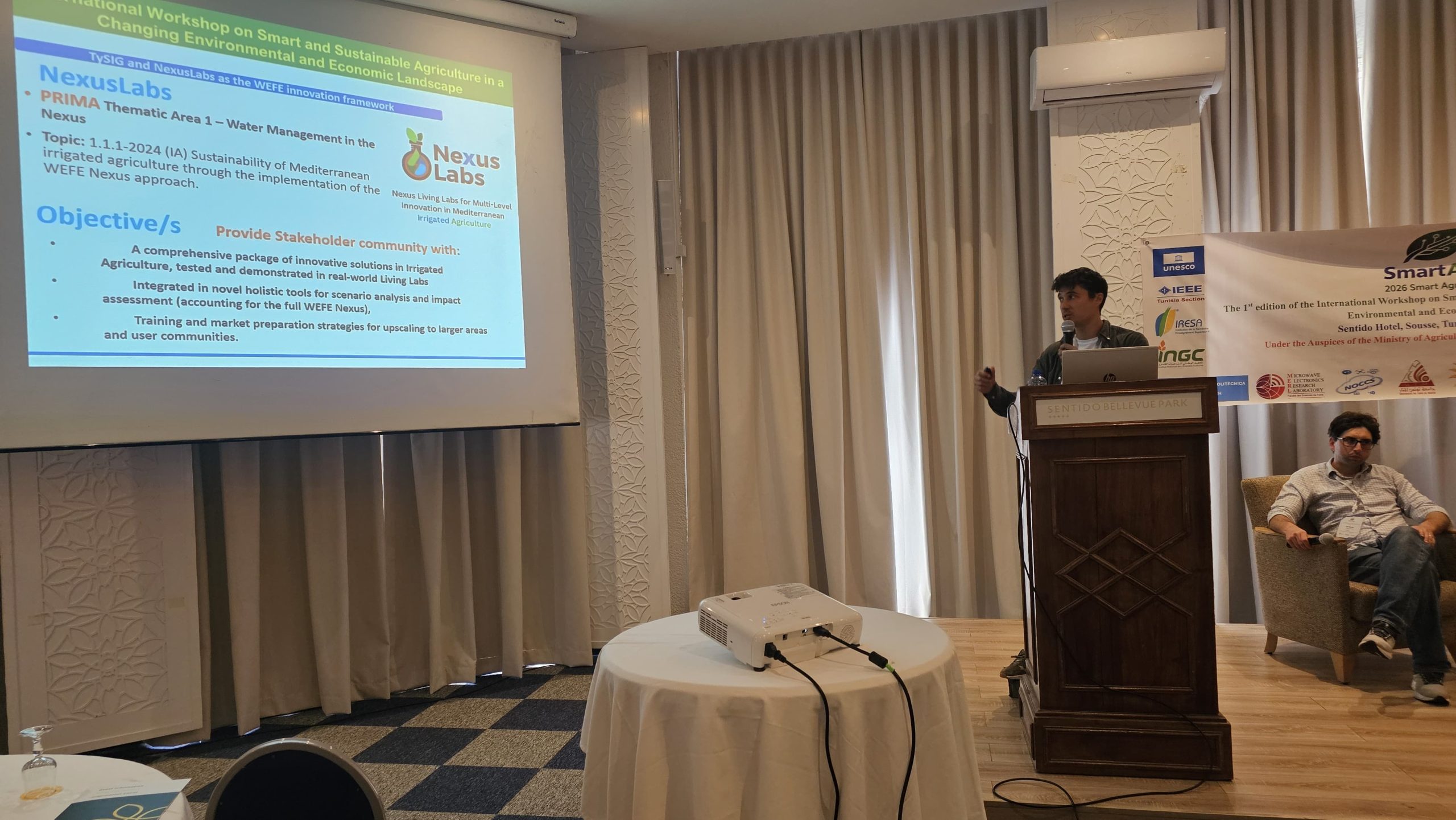
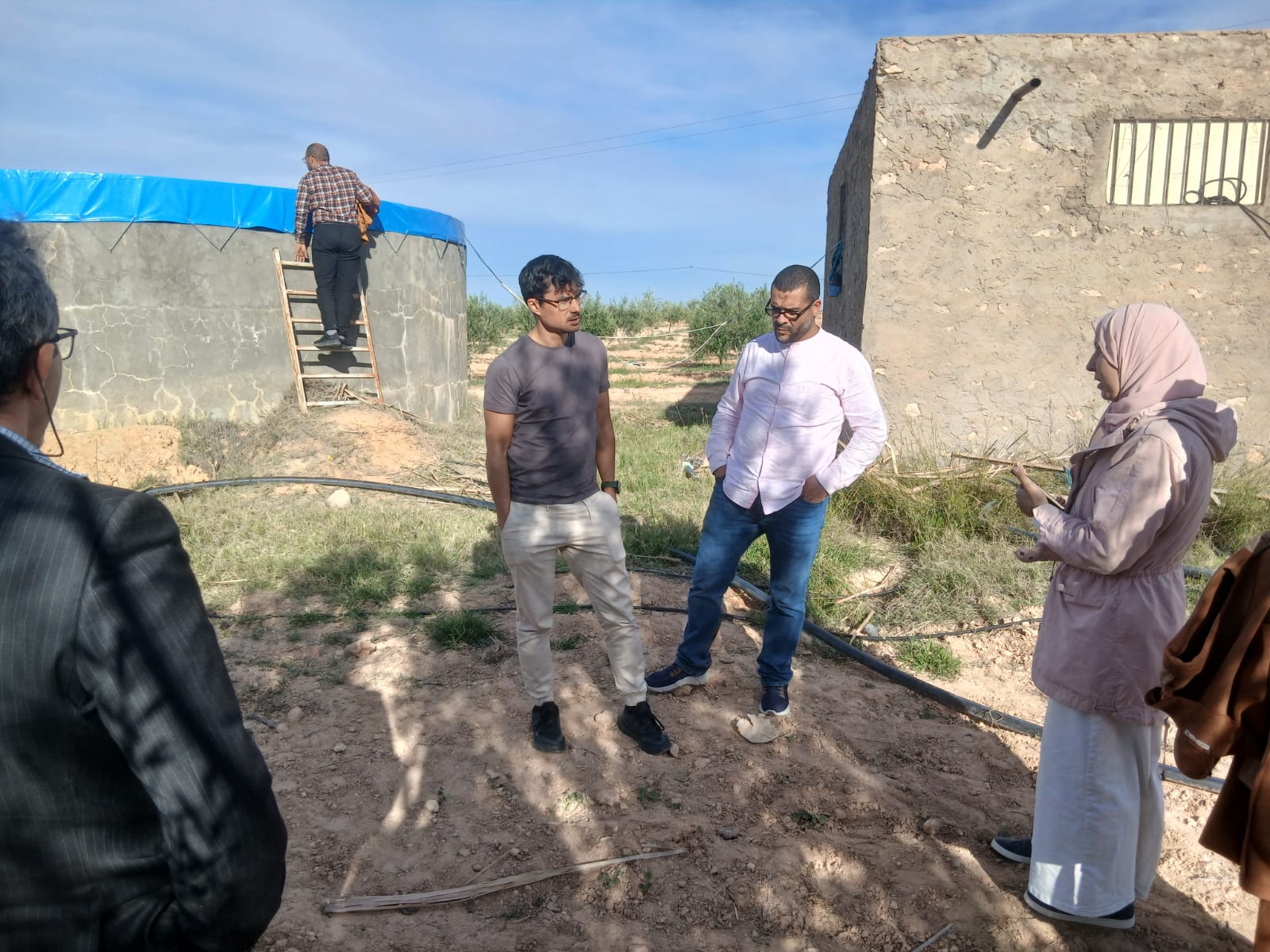
A key feature of the Tunisian pilot is the integration of ecological treatment systems with digital agriculture technologies.
Current activities include:
The Living Lab also explores broader WEFE Nexus interactions related to irrigation efficiency, renewable energy and solar pumping, agroecology, and the trade-offs and opportunities linked to wastewater reuse.
The Tunisia Living Lab is designed as a demonstration model with strong replication potential across olive-growing regions of the country.
By the end of NexusLabs, the project aims to support wider uptake of the model among olive growers in central, northern and southern Tunisia, helping farmers adapt to increasing water scarcity while reducing environmental impacts from wastewater disposal.
The Living Lab also contributes to broader discussions around stakeholder engagement, digitalisation and practical implementation of the WEFE Nexus approach in North African agricultural systems.
As one of the NexusLabs Mediterranean Living Labs, the Tunisia pilot contributes practical experience on how wastewater reuse, Nature-based Solutions and smart irrigation technologies can support circular and climate-resilient agriculture under conditions of increasing water stress.