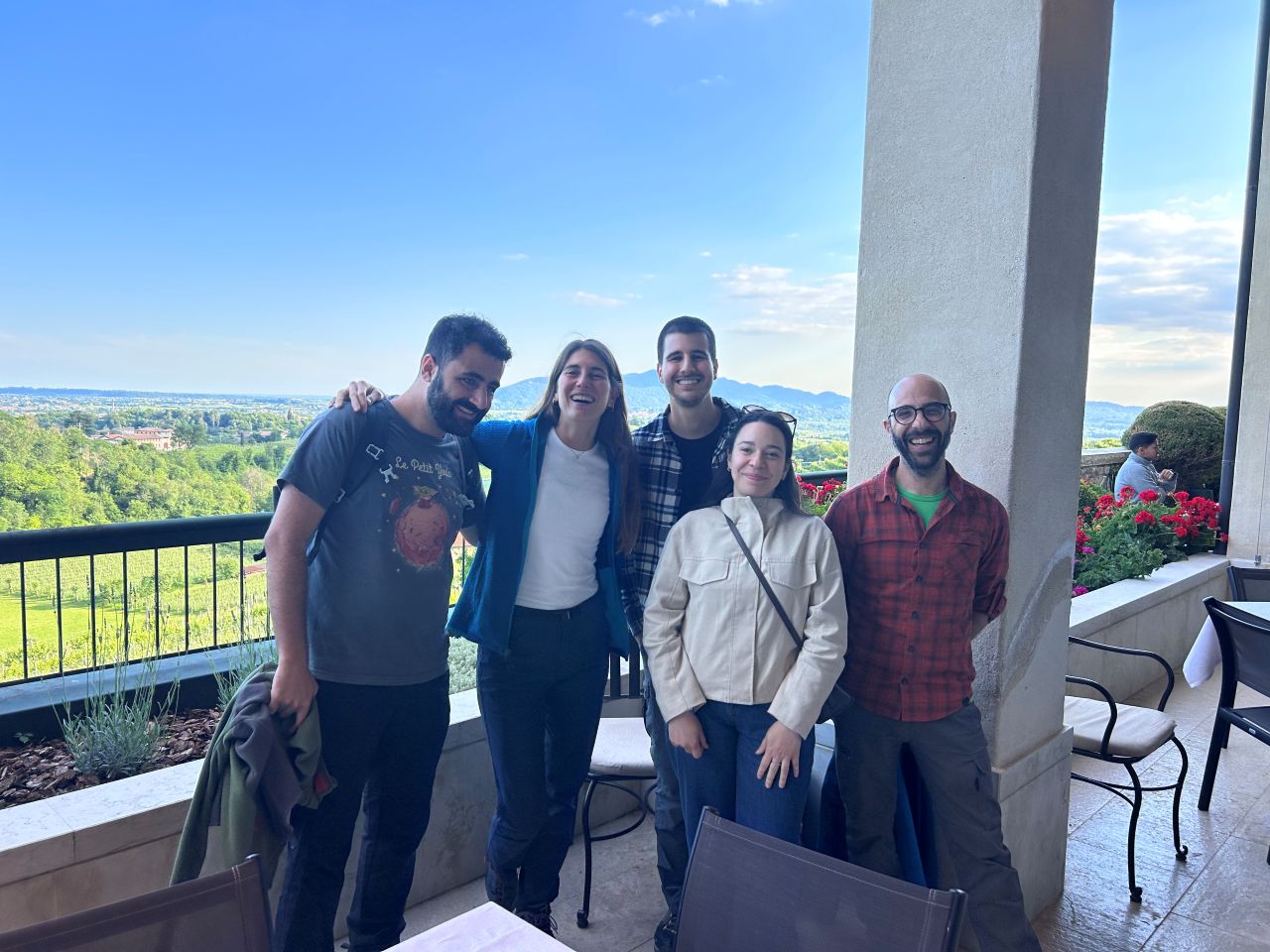
From 12–14 May, NexusLabs project partners gathered in Padova, Italy, for the project’s 3rd Plenary Meeting, a three-day exchange dedicated to strengthening collaboration, sharing progress, and advancing innovative solutions for sustainable water management and climate-resilient agriculture across the Mediterranean.
The meeting brought together project partners, Living Lab representatives, and experts working across the Water-Energy-Food-Ecosystems (WEFE) Nexus to reflect on progress achieved during the first phase of the project and align priorities for the next steps ahead.
The first day focused on project coordination, technical progress, and collaboration across the Work Packages. Discussions were guided by the principle of “starting with the end in mind”, placing expected impacts at the centre of the exchanges. Partners presented updates on project deliverables, implementation progress, challenges encountered, and future priorities, while Living Labs shared experiences from the field, including baseline conditions, implemented actions, and early results.
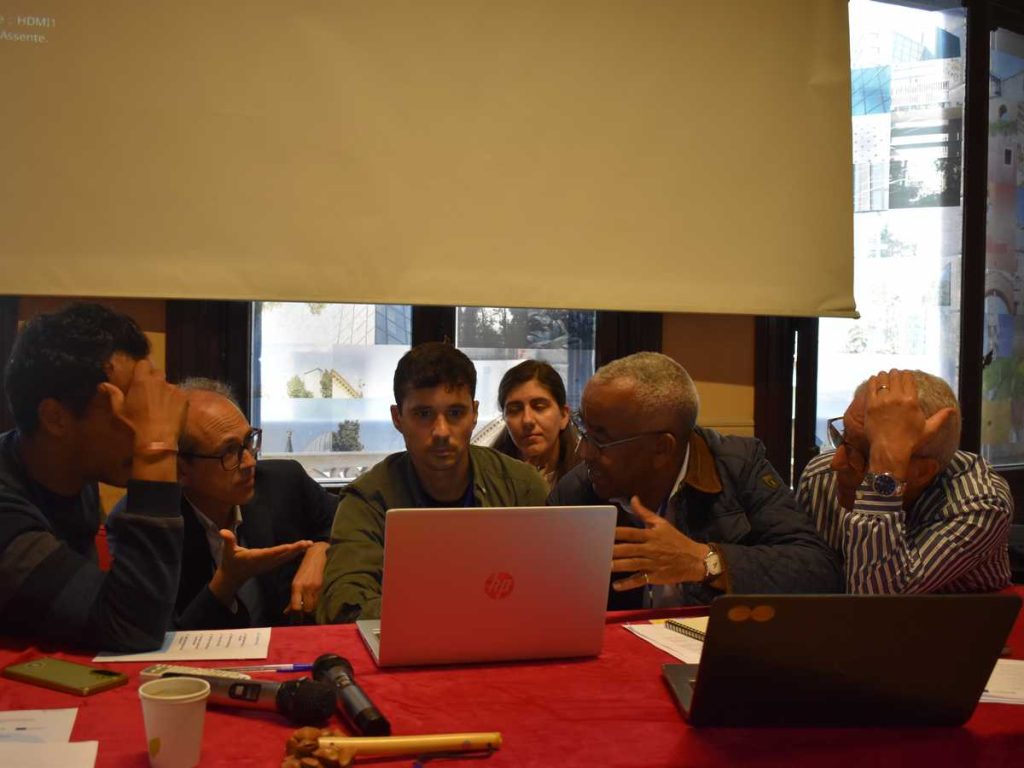
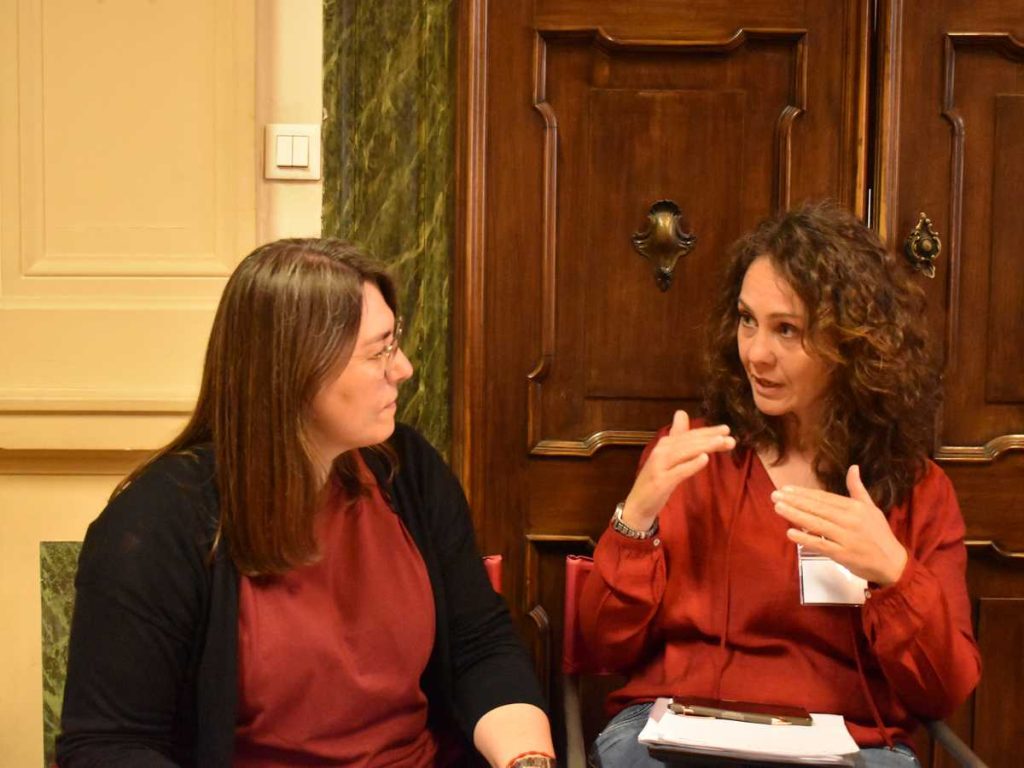
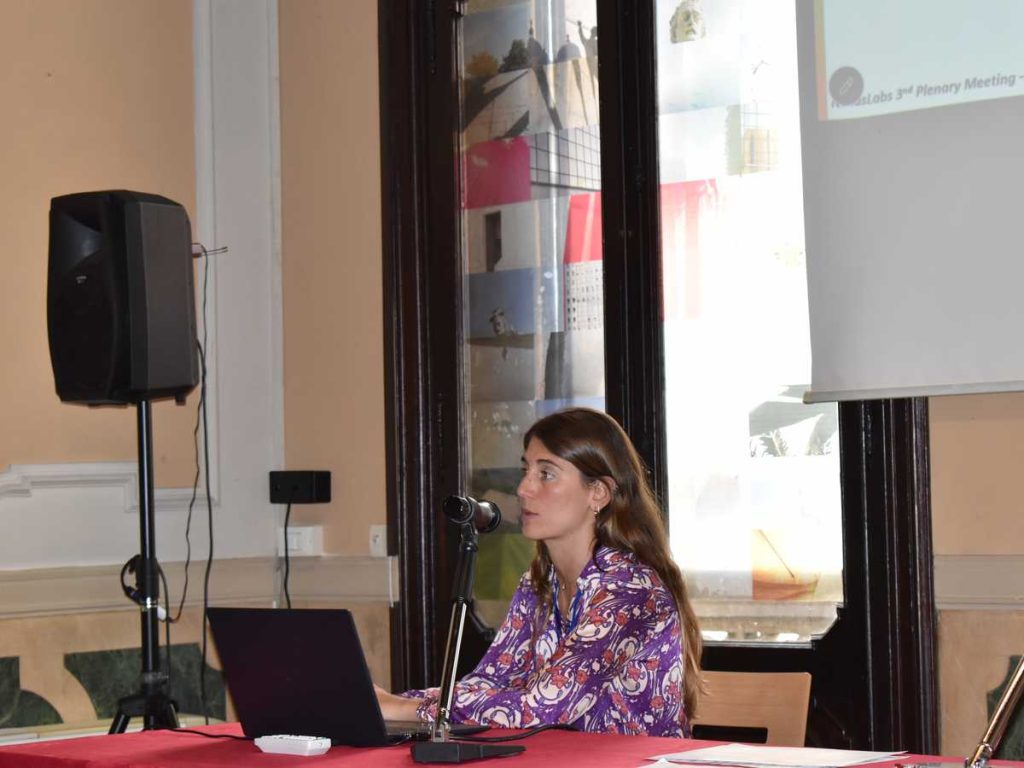
Special emphasis was placed on stakeholder engagement, the implementation of Nature-based Solutions (NbS), and the importance of translating technical findings into practical tools and knowledge that can support farmers and local communities. Discussions also highlighted the need for solutions and technologies to be tested under real conditions in order to ensure their long-term applicability and impact.
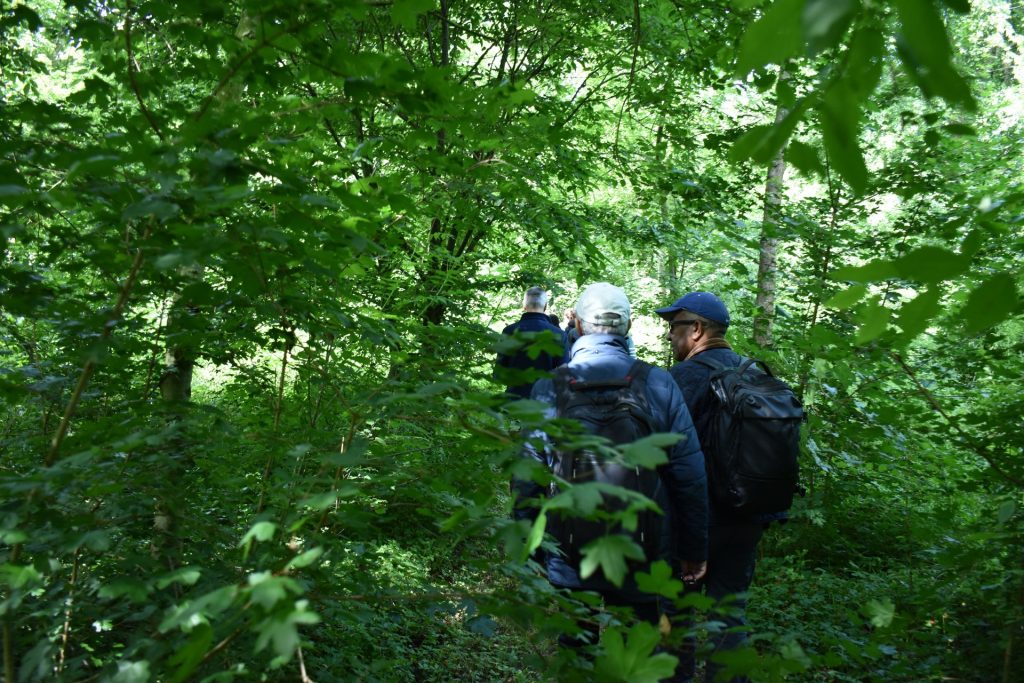
The second day moved from the meeting room to the field, allowing participants to experience firsthand innovative practices implemented within the Veneto Living Lab.
The first field visit took place at Bosco Limite, one of the largest Forested Infiltration Areas (FIA) in the Veneto region and an important example of a Managed Aquifer Recharge (MAR) solution. Participants explored how Nature-based Solutions can contribute to groundwater recharge, biodiversity enhancement, water purification, and climate resilience while supporting long-term ecosystem services.
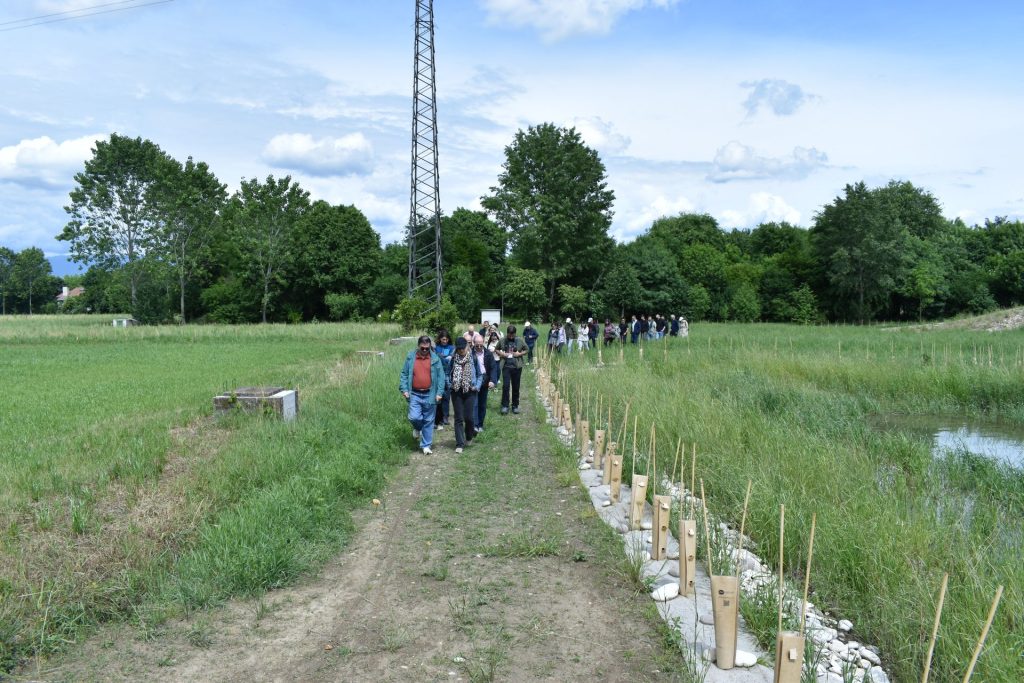
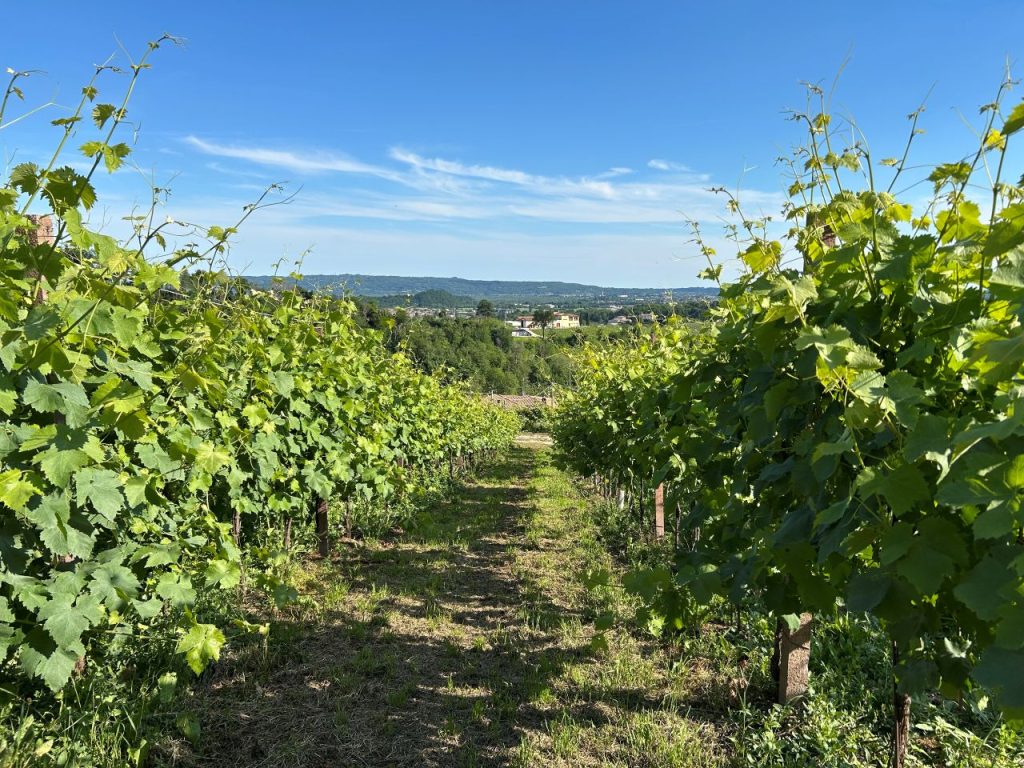
The visit continued at La Vedova Farm, located in one of Italy’s most important vineyard regions, where participants examined the challenges linked to water availability for irrigation and the increasing pressure on water resources caused by climate change. Discussions focused on smart irrigation technologies, sustainable agricultural practices, and the role of innovation in improving water efficiency and supporting climate-resilient farming systems.
The final day of the plenary focused on communication, dissemination, exploitation activities, and future coordination, concluding with discussions involving the project’s Advisory Board and the overall strategic direction of the project.