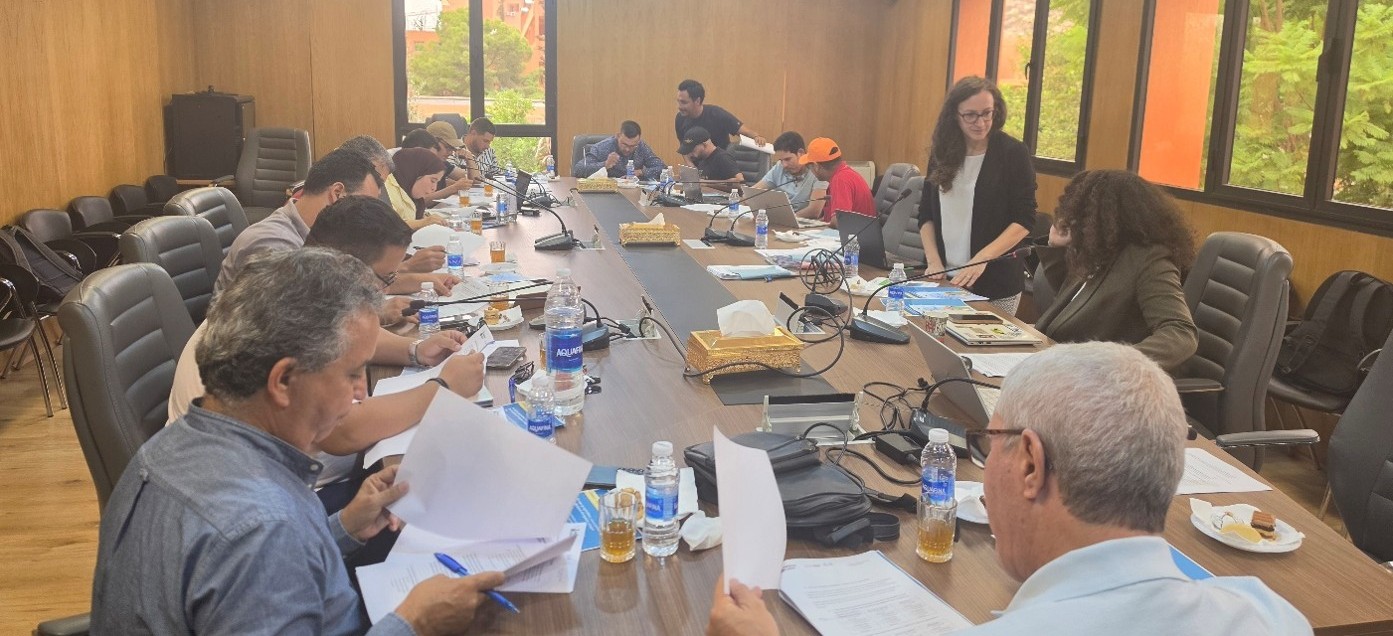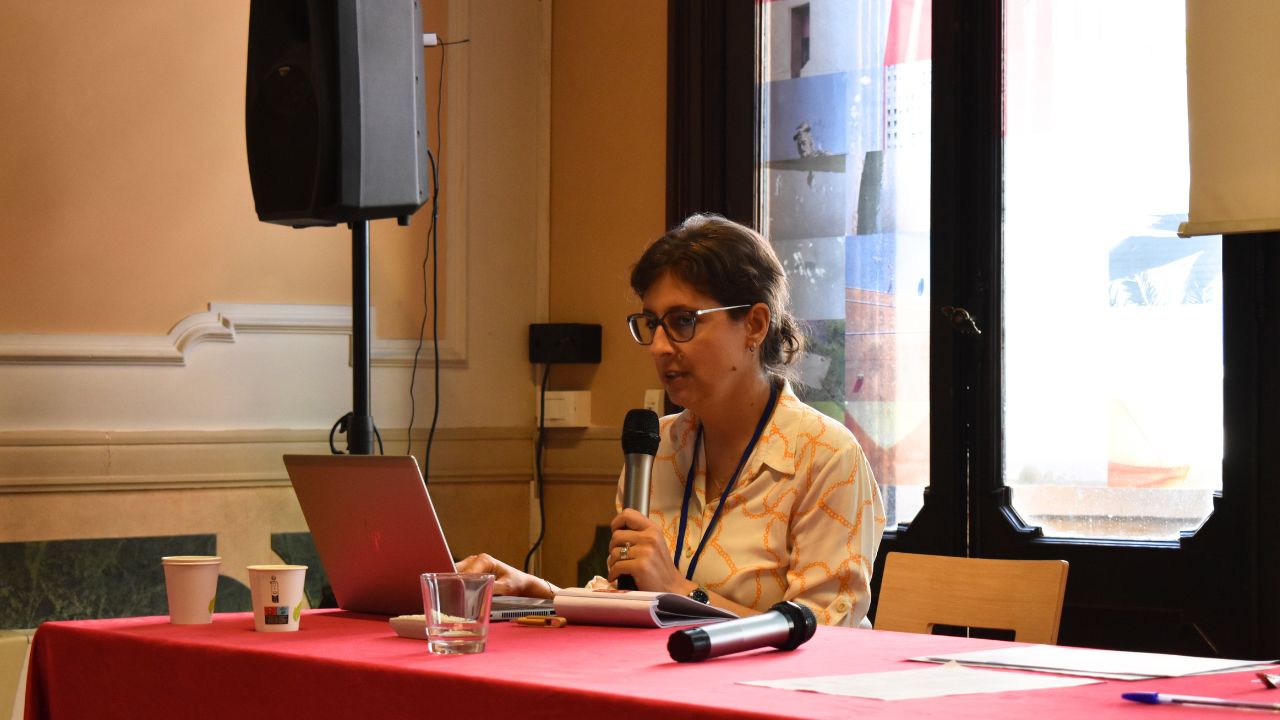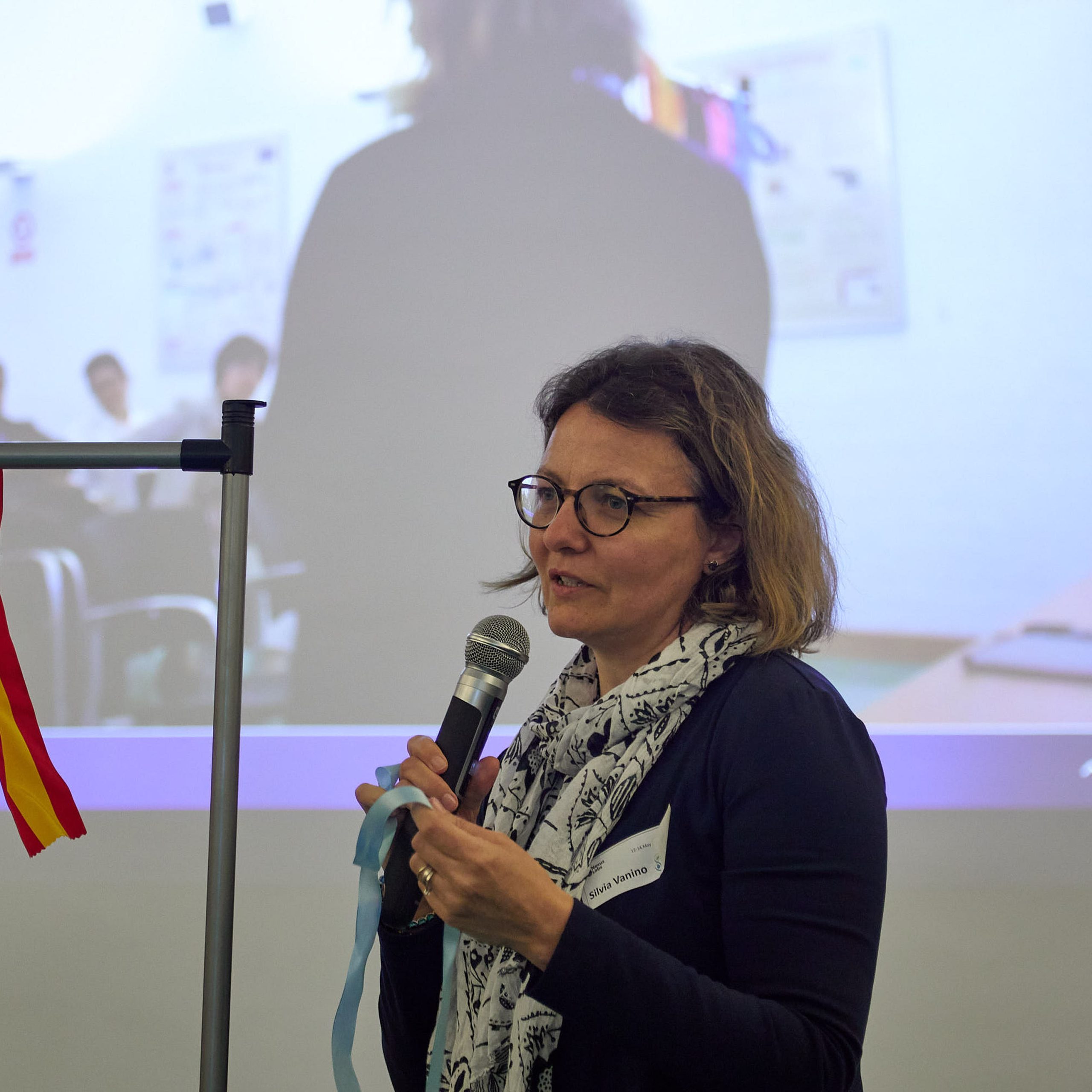
NexusLabs brought its partners together in Chania, Crete from the 19th– 21st of October 2026 for the 4th Plenary meeting which combined knowledge exchange and a field visit to the Koiliaris Living Lab.
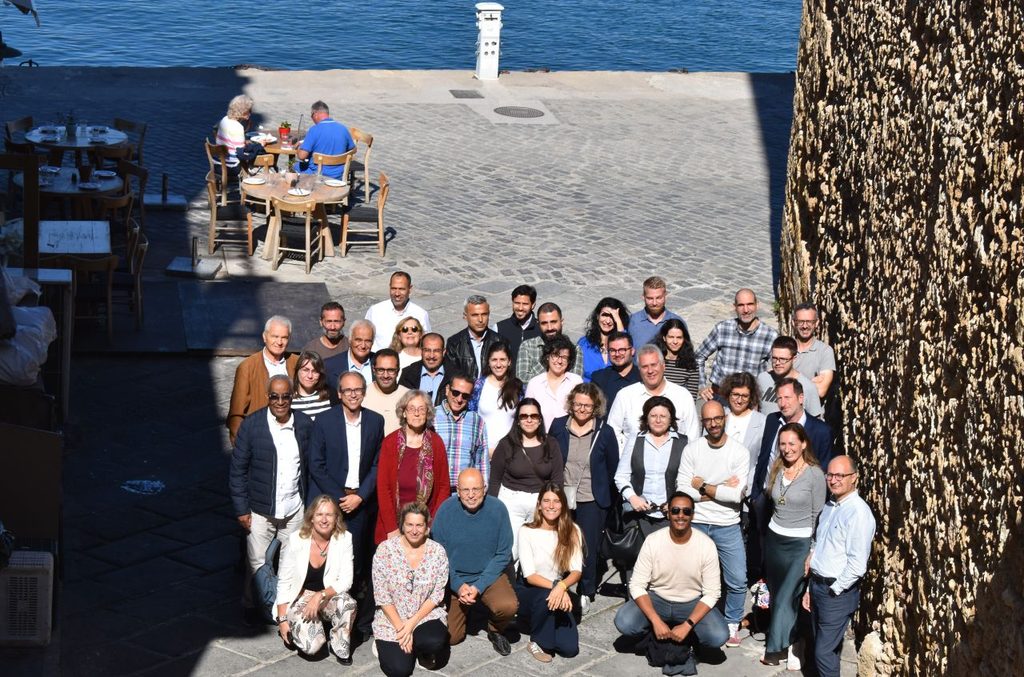
During the plenary meeting discussions focused on practical solutions, funding and policy instruments, and ways to better support farmers in developing sustainable and climate-resilient agricultural practices.
The three-day meeting, combined technical insights with practical examples from agricultural production as the visit to the Koiliaris Living Lab and a local avocado farm offered an opportunity to explore how research and innovation can address water challenges while supporting farmers’ needs.
During the field visit, participants discovered how the Koiliaris Living Lab puts its guiding principle, “Water the tree, not the field,” into practice. The TUC team explained how smart irrigation technologies and data-driven guidance can help reduce water use by 30–50%, while also lowering pumping energy requirements. The visit also introduced participants to the Living Lab’s work on soil health, including experiments and analyses exploring how regenerative farming practices can improve soil structure and water retention.
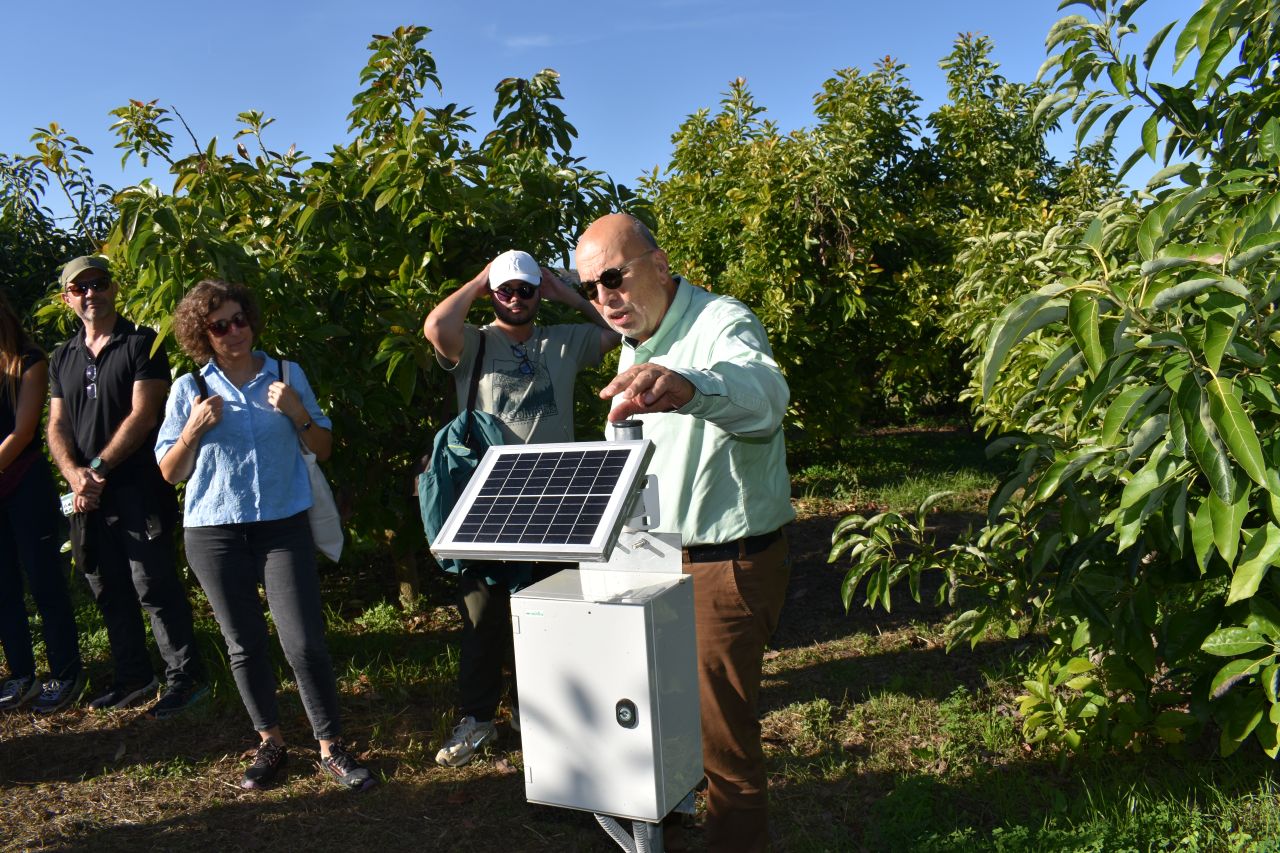
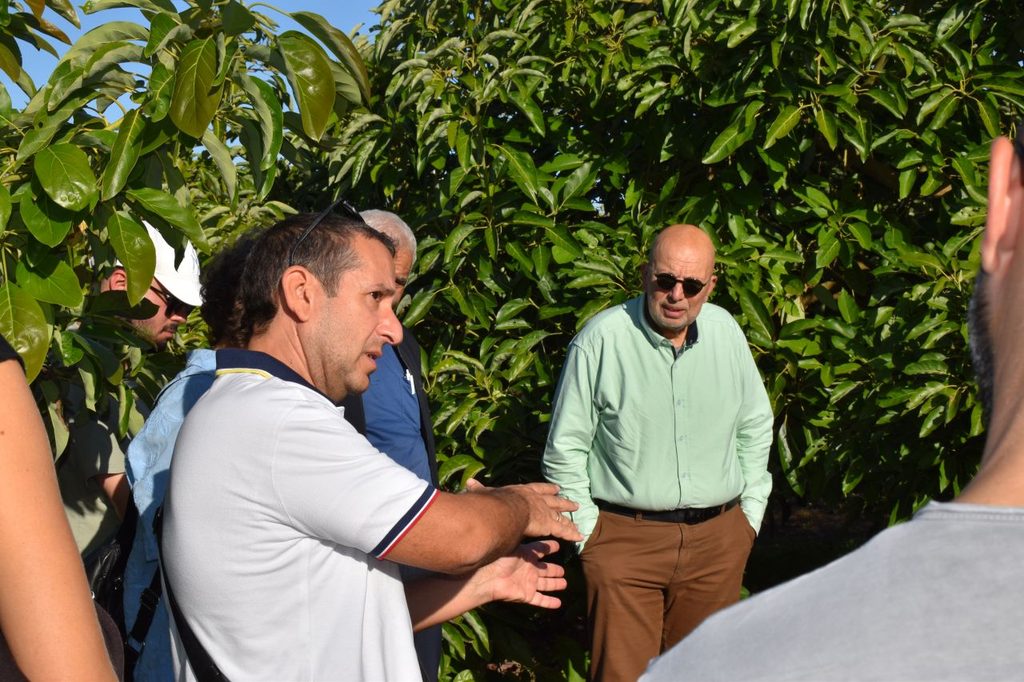
Led by the Technical University of Crete (TUC), the Koiliaris Living Lab focuses on smart irrigation and the agroecological transition. The TUC team is developing data-driven irrigation solutions through an Irrigation Connectivity Hub that combines information from soil-moisture sensors, flow meters, weather stations and forecasting tools. These technologies can help farmers make better-informed decisions about when and how much to irrigate.
The work on the ground involves monitoring 12 representative fields cultivating avocados, olives and oranges. The TUC team is installing soil-moisture sensors and digital water meters to track irrigation and understand how water moves through the soil. Soil analyses and farm-level cost-benefit assessments are also helping identify opportunities to improve water efficiency and farm profitability. Initial results are encouraging: one avocado farm recorded 58% less irrigation water use than the Region of Crete recommends, while maintaining adequate soil moisture.
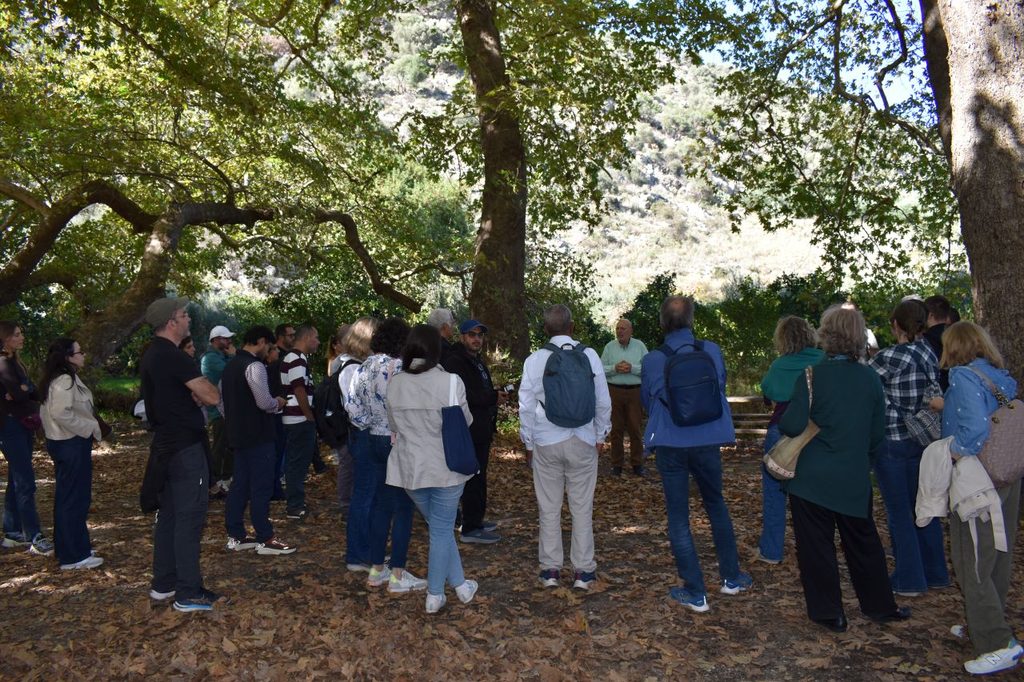
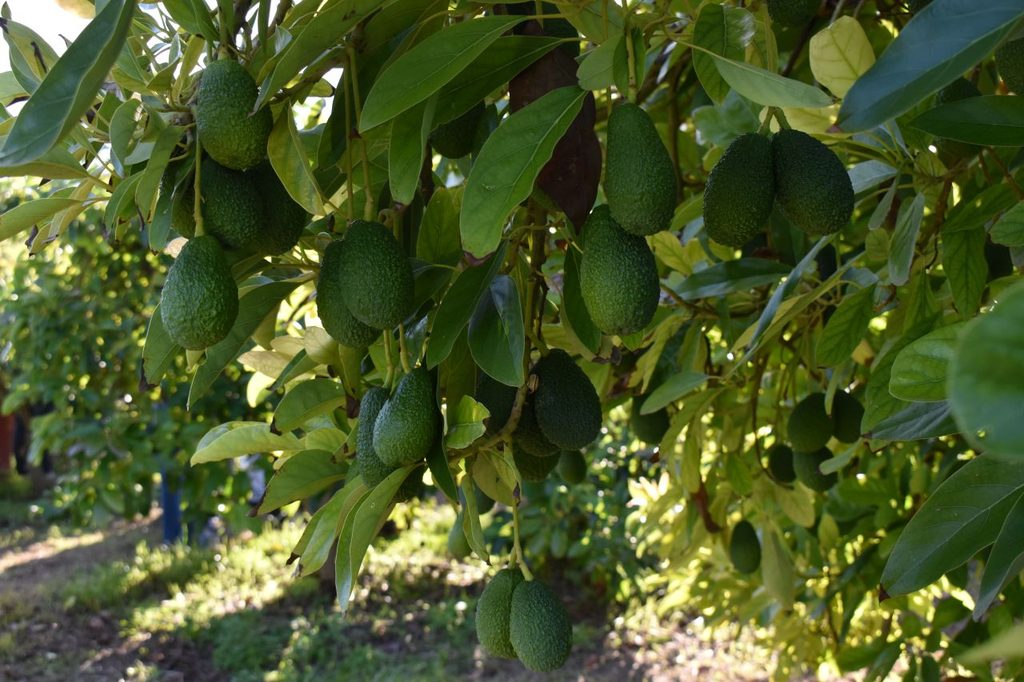
Operating within the Koiliaris Critical Zone Observatory, the Koiliaris Living Lab, explores the relationships between water, soil, vegetation and the wider environment.
This integrated perspective reflects the Water-Energy-Food-Ecosystems (WEFE) Nexus approach at the core of PRIMA NexusLabs, which is currently at its second year of implementation. During the plenary meeting, discussions focused on enhancing collaboration between and across Living Labs, on the ground implementation of different solutions and lessons learned as well as addressing challenges faced in real world settings.

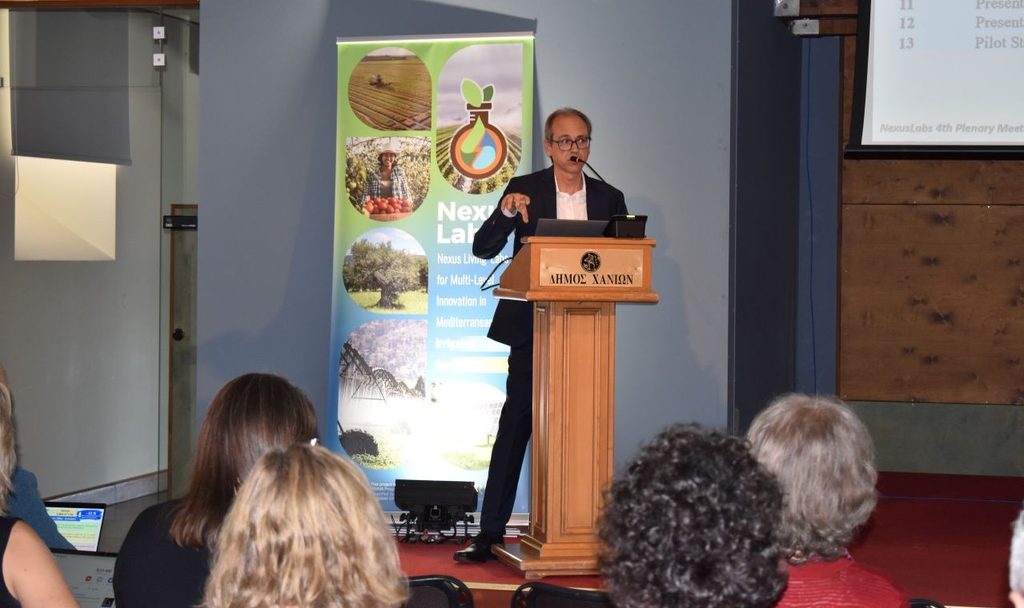
Working in groups among Living Labs and across scientific fields, participants identified gaps, discovered opportunities for collaboration and searched for new ways to strengthen NexusLabs’ implementation
By considering the interconnections between water, energy, food production and ecosystems in each Living Lab, the project supports the development of realistic tools that respond to local challenges and respond to specific needs on the ground. This integrated approach will help translate scientific knowledge into actionable solutions, supporting more efficient resource management and resilient agricultural systems across the Mediterranean.