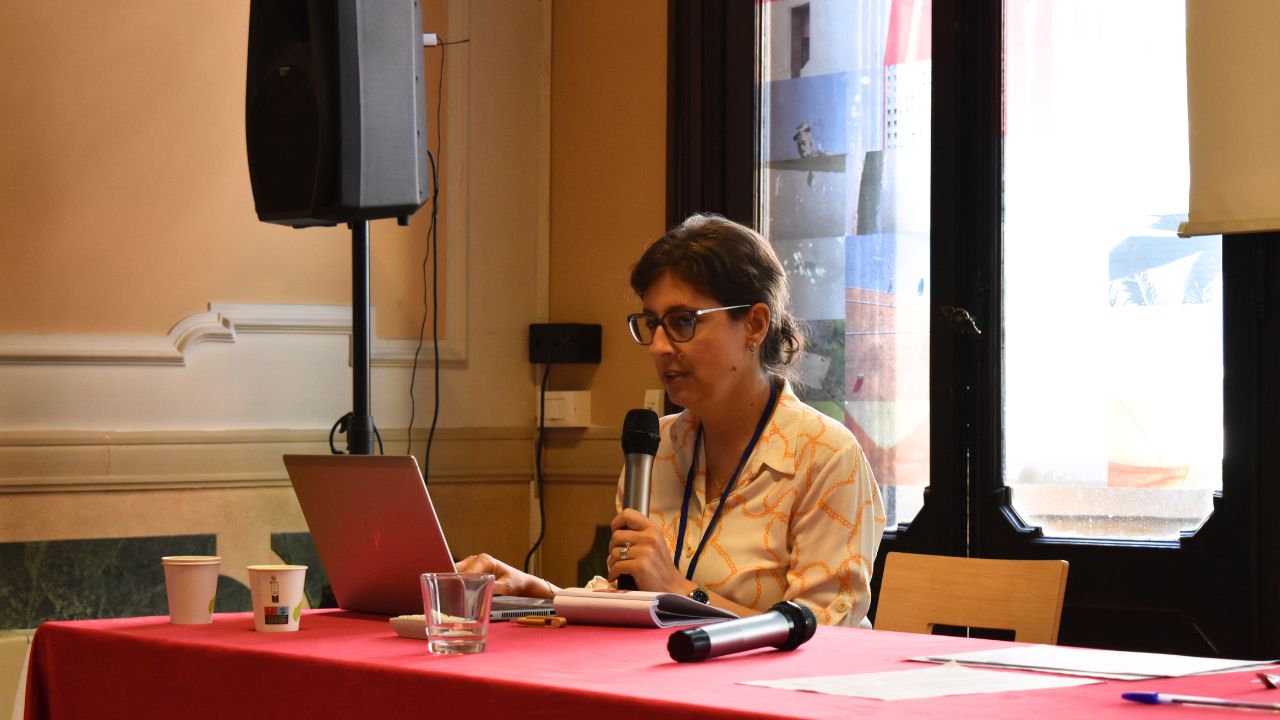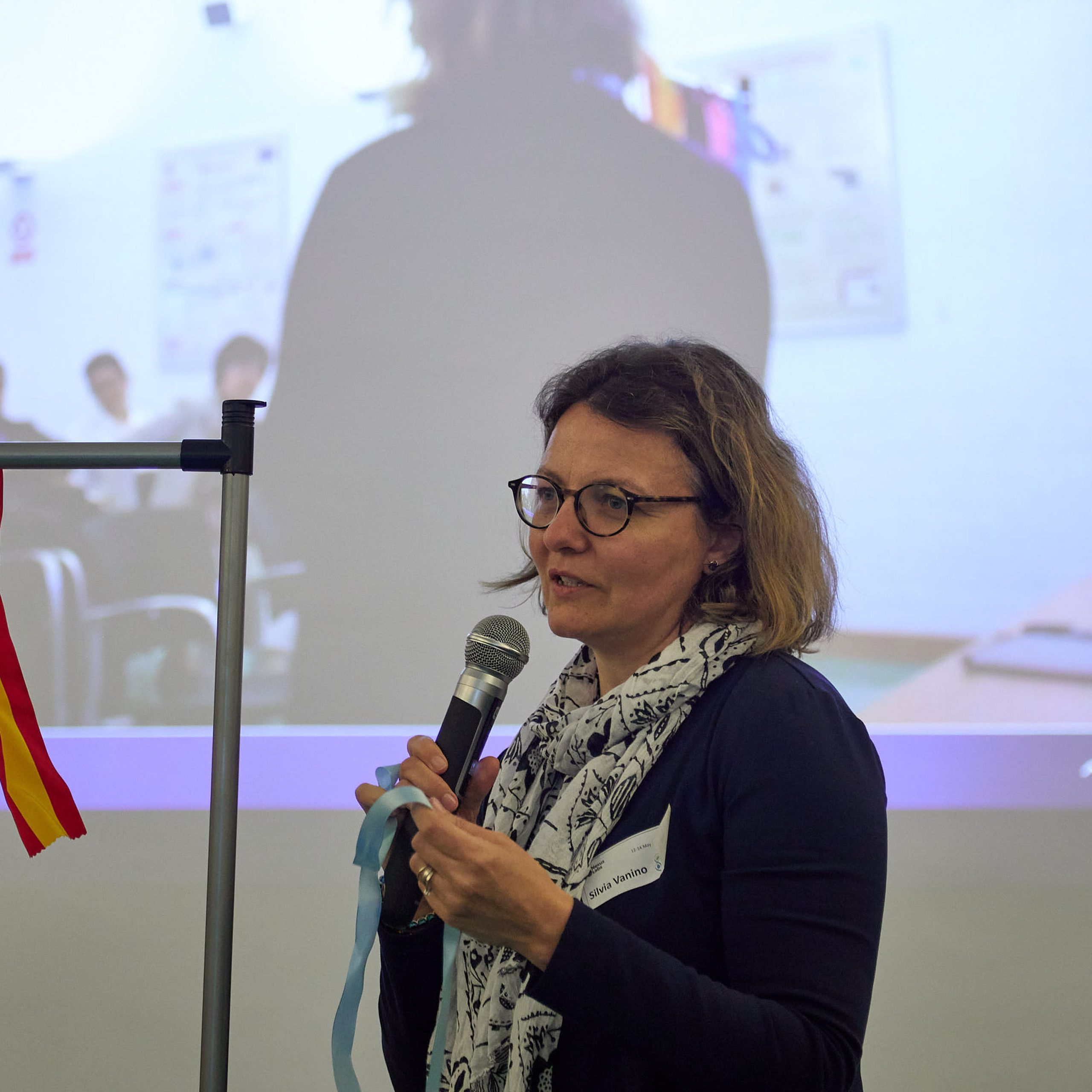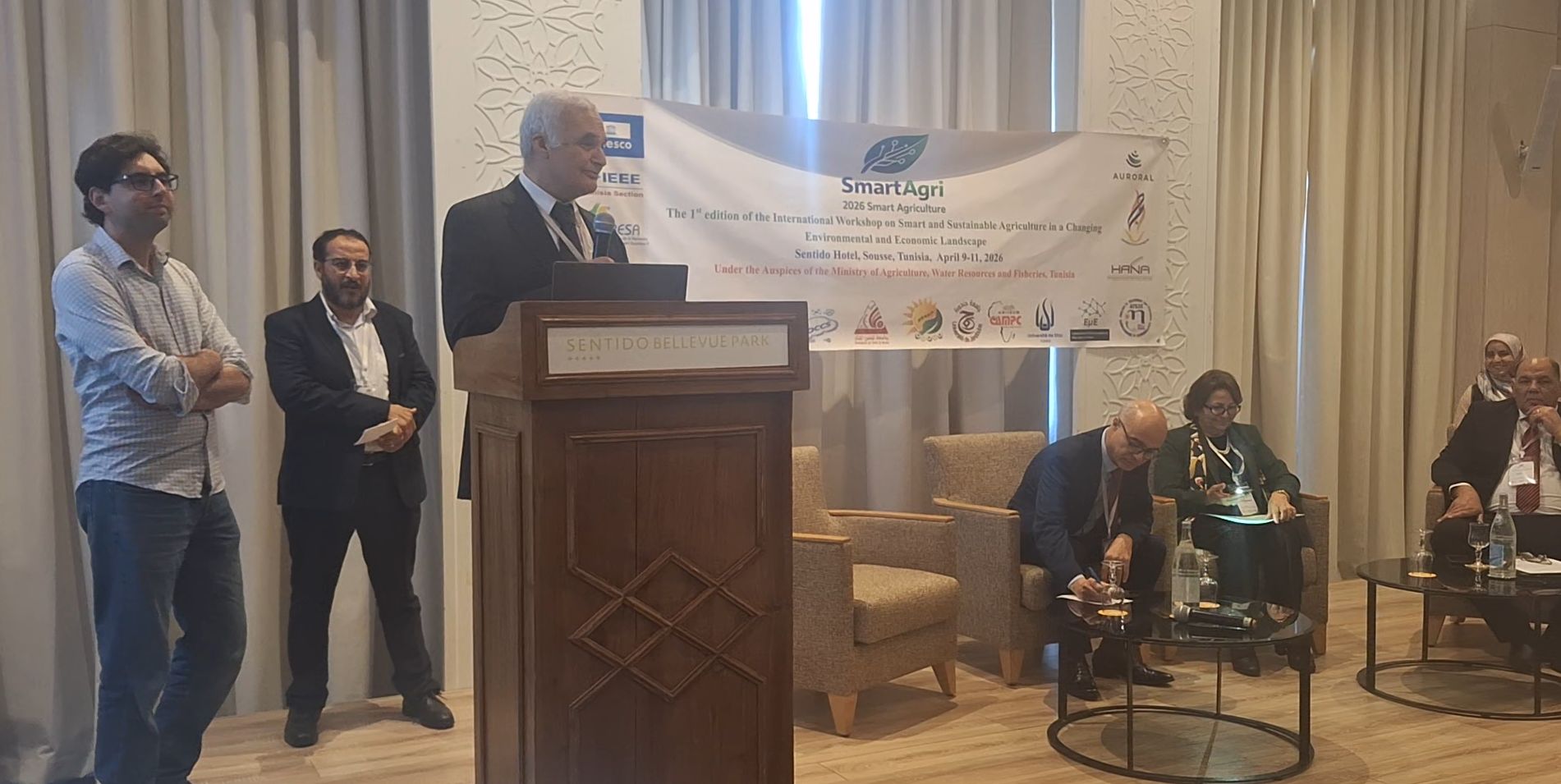
How can digital tools help make irrigation more efficient when water scarcity is not the primary concern? In this NexusLabs Brief Interview, the team behind the Koiliaris Living Lab in the Technical University of Crete, Greece shares how sensor technology is helping optimise irrigation, reduce water and fertilizer losses, and improve productivity. Professor Nikos Nikolaidis, also discusses the practical challenges of implementing new technologies in the field and the next steps as equipment installation, data collection, and stakeholder training move forward.
Q: What are you hearing from farmers, managers and other stakeholders?
The farmers are intrigued with the use of sensor technology to irrigate their farm and reduce water consumption. They don’t seem to worry about water scarcity since they have sufficient water supply and even during drought years they have sufficient water. Neither the cost is an issue since the price is low. They are more concerned about yields and having the opportunity to exchange experience with other farmers.
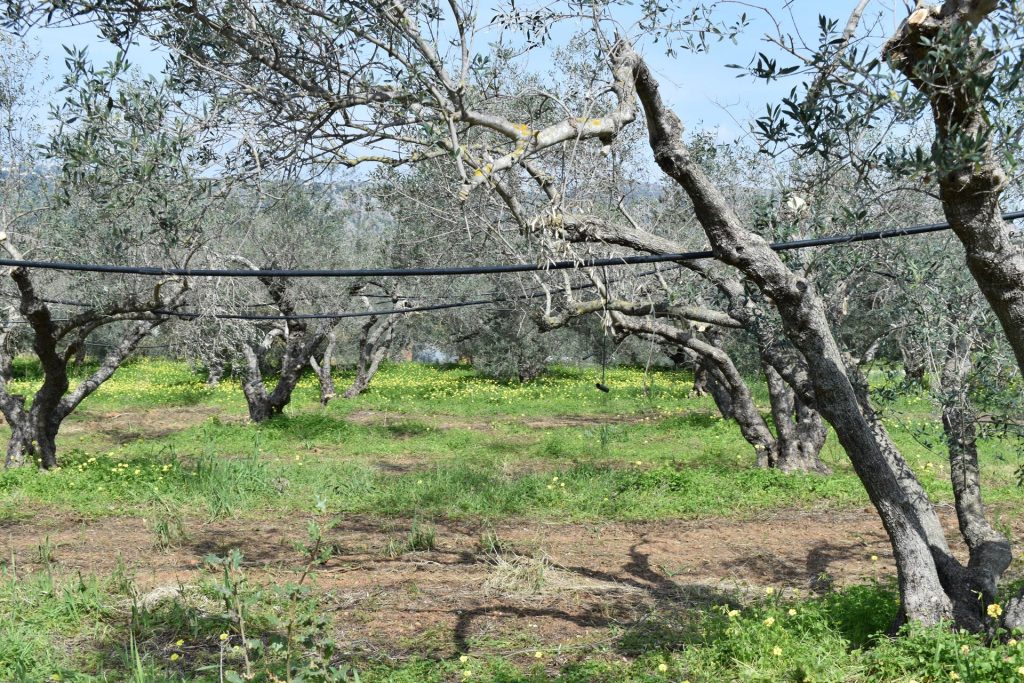
Q: Mention one challenge you are facing on the ground, or “bet” that needs to be won?
The installation of the instrumentation is not going fast and the farmers are not engaged in helping with the installation.
Q: Some activities or results we should expect soon?
A: Field equipment will be installed by the end of June and the visualization platform will be ready by then. The training of the farmers will be done in July together with data collection.
Q: What have you learned so far? Any surprises?
From the cost-benefit analysis we found out that for avocado the cost is about €1,200/ha and the fertilizer and spraying cost is €1,100/ha. If the farmers lose 50% of the irrigated water, this means that they also lose 50% of the fertilizer. This is very significant as it increases their net profit margin.
Q: How does this work connect to your experience as a researcher or institution?
A: This work confirms what we already knew and helps in scaling up the knowledge.